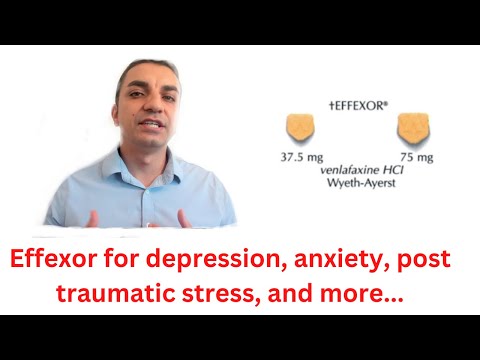
Hey, have you ever felt like you’re just stuck in a fog? You know, that heavy feeling where everything’s a drag? That’s where a lot of folks find themselves when battling depression or anxiety.
And then there’s this medication called venlafaxine that could help lift that haze. It’s kind of like that friend who always knows how to lighten the mood. But here’s the thing—understanding how it works isn’t as simple as just popping a pill.
You might be curious about its role in easing those tough feelings. So, let’s chat about what venlafaxine is all about and how it might fit into the bigger picture of feeling better. Sound good?
Understanding How Venlafaxine Alleviates Depression Symptoms
Venlafaxine is a medication that’s often prescribed for depression and anxiety disorders. You might hear it referred to by its brand name, Effexor. So, how does this thing work? Well, it’s a type of antidepressant known as a serotonin-norepinephrine reuptake inhibitor (SNRI). Basically, that means it helps keep some important chemicals in your brain from being reabsorbed too quickly.
When someone is depressed or anxious, the levels of serotonin and norepinephrine can get pretty low. These are neurotransmitters—basically, the brain’s little messengers—that help regulate mood and emotions. By blocking their reabsorption, Venlafaxine increases their availability in the brain. More of these chemicals floating around can lead to improved mood and less anxiety.
Now, here are some key points about how Venlafaxine helps:
- Increases serotonin levels: This chemical is often associated with feelings of well-being. Higher serotonin levels can lift your mood significantly.
- Boosts norepinephrine: This one plays a role in your energy levels and focus. A little boost can help combat those feelings of lethargy that come with depression.
- Dose matters: The effects change depending on how much you take. At lower doses, it mostly boosts serotonin; higher doses start increasing norepinephrine too.
- Withdrawal symptoms: Stopping Venlafaxine suddenly isn’t great—like any medication, it’s good to talk to your doc about tapering off it carefully if need be.
You might wonder what actually happens when someone starts taking this med. Imagine Sarah; she was feeling totally overwhelmed by life—getting out of bed felt like climbing a mountain, you know? After starting Venlafaxine, she noticed that her days began to feel lighter. She could focus better at work and found herself enjoying things again! That shift is what many people hope for when they start treatment.
Of course, everyone responds differently to medication. Some may feel relief in just a few weeks while others take longer to see changes. And side effects can happen—you know, things like nausea or fatigue—but they often improve after a bit.
So yeah! Venlafaxine plays an important role in helping people manage depression and anxiety by balancing those neurotransmitters we talked about earlier. It’s not a magic fix but for many folks, it’s definitely part of the path toward feeling better. As always—if you or someone you know is considering this med or experiencing mental health challenges, reaching out to a healthcare provider is super important!
Understanding Venlafaxine: Is Dizziness a Common Side Effect?
Venlafaxine is one of those medications that doctors often prescribe for depression and anxiety disorders. It’s part of a class known as SNRIs, which stands for serotonin-norepinephrine reuptake inhibitors. The thing is, while it’s effective for many people, it does come with some side effects. One of the most common ones? Dizziness.
Dizziness and Venlafaxine: So, when you start taking venlafaxine, your body can be like, “Whoa, what’s happening here?» This shift in neurotransmitters can affect how you feel physically. Dizziness isn’t just a random thing; it’s actually linked to the way the medication works. By increasing serotonin and norepinephrine levels in your brain, it alters the balance a bit—making you feel lightheaded sometimes.
- Who is more affected? People who are new to the medication might experience this dizziness more than others who’ve been on it longer.
- Dosage matters. Higher doses of venlafaxine can increase the likelihood of dizziness.
- Timeframe: Many find that these dizzy spells usually decrease over time as they adjust to the medication.
Now let me share a little story. There was this one guy I knew who started on venlafaxine for his anxiety. At first, he felt like he was walking on a boat during a storm—dizzy and off-balance. After a couple of weeks, though? That lightheaded feeling faded away as his body got used to the med. It was all about patience and giving his system time to adapt.
Though dizziness is common, it’s always important to keep an open line with your doctor if you’re feeling really dizzy or if it’s bothering you too much. Sometimes adjustments in dosage or even switching medications can help tackle those side effects.
So yeah, venlafaxine can be super helpful for depression and anxiety disorders but remember that dizziness can happen too! Just hang in there; things usually settle down after your body gets used to it.
Understanding Venlafaxine: Does This Antidepressant Cause Sweating?
Venlafaxine is one of those antidepressants that can make you feel a bit better when you’re dealing with depression or anxiety disorders. It’s in a class called serotonin-norepinephrine reuptake inhibitors (SNRIs). In simple terms, it helps boost certain chemicals in your brain that improve your mood. But like any medication, it can have side effects, and one question people often have is about sweating.
Does Venlafaxine Cause Sweating?
Yes, it can. It’s known for causing increased sweating in some people. This isn’t just minor; for some, it might be pretty noticeable. Imagine sitting in a meeting and suddenly feeling like you’ve run a marathon—sounds uncomfortable, right?
There are a few reasons why this might happen. Venlafaxine raises norepinephrine levels, which can ramp up your body’s fight-or-flight response. So, if you’re already feeling anxious or stressed out, this added adrenaline can lead to sweating.
How Common Is This Side Effect?
For many patients taking venlafaxine, excessive sweating isn’t the most common side effect but it does show up in clinical studies. It varies from person to person, though; some might not experience it at all while others could find it bothersome.
Here’s what you should know:
- Dose Matters: Higher doses are more likely to lead to this side effect.
- Timing: Sweating often occurs during the first few weeks of treatment as your body adjusts.
- Individual Differences: Factors like genetics or other medications you’re on can play a role.
What Can You Do About It?
If sweating becomes a problem while taking venlafaxine, don’t just stop taking the medication without chatting with your doctor first—that’s super important! There are options available to manage this side effect.
You could discuss switching meds or even trying an anti-anxiety medication that doesn’t have the same impact on sweating. Also, lifestyle changes—like wearing breathable fabrics or keeping cool—might help too.
Let’s say you’re out with friends and suddenly feel drenched from sweat; that might lead to feeling self-conscious or anxious about how you’re presenting yourself socially. It’s totally understandable! Having open discussions about side effects with friends or loved ones can also make things easier because you’re not alone in this experience.
In short, if you’re considering or already using venlafaxine and notice increased sweating, know it’s something you should talk about with your doctor. They’ll help find solutions so you can focus on feeling better without the discomfort of sweating unexpectedly hanging over your head.
You know, when it comes to dealing with depression and anxiety disorders, there’s just so much out there, right? So many options for treatment and all that. One of those options that seems to pop up a lot is this medication called venlafaxine. It’s an antidepressant that belongs to a class known as SNRIs—serotonin-norepinephrine reuptake inhibitors. Sounds fancy, huh? But really, it’s just a way of saying it helps balance certain chemicals in the brain.
I remember a friend of mine who was really struggling with anxiety. It was like the world was closing in on her. She tried therapy, but sometimes it just wasn’t enough. After chatting with her doctor, they decided venlafaxine might help her out. At first, she was skeptical about taking medication—who wouldn’t be? But after a few weeks on it, she noticed some real changes in how she felt.
The thing is with venlafaxine is that it can be pretty effective for a lot of people. It helps boost mood and ease anxiety by increasing serotonin and norepinephrine levels in your brain—kinda like adding fuel to your emotional fire. But it’s definitely not some magic pill that works for everyone. I mean, some folks experience side effects or find they don’t feel much different at all. It’s like trying on shoes; sometimes you find the perfect fit, other times you’re stepping on your own toes.
One thing to keep in mind is this: if you go for venlafaxine or any med really, talk to your doctor about what to expect and how long it’s gonna take to kick in. Patience is key! It can take weeks before you feel the full effects. And if you’re thinking about stopping or switching medications? Seriously don’t just go cold turkey—always consult with your healthcare provider.
So yeah, venlafaxine has got its pros and cons like anything else out there in the mental health toolbox. For my friend, it made a world of difference, and I still see her smiling more these days! Just shows how vital finding the right treatment can be—it could change everything for someone dealing with those heavy feelings of depression or anxiety.
If you’re considering options like this or anything else for mental health struggles, remember you’re not alone in this journey. Your feelings matter—and the more informed you are about choices like venlafaxine, the better equipped you’ll be to talk through them with your doc or therapist!