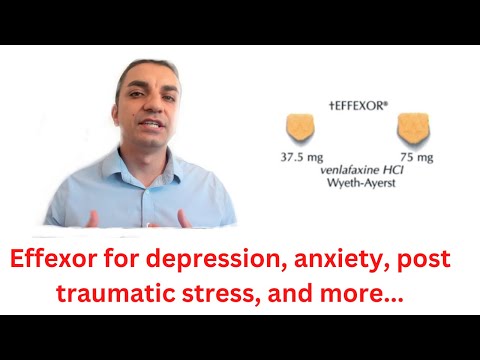
So, let’s chat about this thing called Venlafaxine XL.
You might be thinking, “What’s that?” Or maybe you’ve heard of it before. Either way, it’s got a pretty big role in helping folks deal with depression and anxiety. Seriously.
Imagine you’re stuck in a dark tunnel, and someone hands you a flashlight. That’s how some people feel when they start taking this med. It can light up the path when everything feels overwhelming.
I remember a friend of mine who was really struggling to get out of bed each day. It was tough for them to see any hope. But after chatting with their doctor and starting Venlafaxine, things shifted for the better!
That’s the power of this medication—helping people find their way back to living life fully again. Pretty cool, huh?
Exploring Venlafaxine: Its Effectiveness for Anxiety and Depression Treatment
Venlafaxine is an antidepressant that belongs to a group called serotonin-norepinephrine reuptake inhibitors (SNRIs). This means it helps increase the levels of two important chemicals in your brain: serotonin and norepinephrine. These are key players in regulating mood, and boosting their levels can really help people dealing with anxiety and depression.
So, how does venlafaxine actually work? Well, the drug blocks the reabsorption of serotonin and norepinephrine back into nerve cells. This allows more of these neurotransmitters to be available for your brain to use. Basically, it’s like keeping someone at a party longer instead of sending them away! The result? A better balance that can improve mood and reduce anxiety symptoms.
For many folks, venlafaxine has been effective in managing their depression or anxiety disorders. Some studies show it can relieve symptoms like persistent sadness or overwhelming worry. But it’s important to remember that everyone reacts differently to medications.
If you’re considering venlafaxine, there are a few things you should know:
- Dosing: The usual starting dose is low and can be increased based on how well you respond and what side effects you might experience.
- Side Effects: Common side effects include nausea, dry mouth, dizziness, or sometimes changes in sleep patterns. Most people find these effects will fade over time.
- Withdrawal: If you stop taking venlafaxine suddenly without consulting your doctor, withdrawal symptoms can hit hard—things like flu-like symptoms or mood swings.
- Efficacy: For some people with generalized anxiety disorder or major depressive disorder, venlafaxine has shown significant positive effects compared to placebo treatments.
I remember a friend of mine who struggled with anxiety for years. She tried tons of different therapies and medications but nothing seemed to stick until her doc suggested venlafaxine. It was like turning on the lights for her; she started feeling more herself again—happy, socializing more than ever! But even her experience highlights that medications aren’t one-size-fits-all.
It’s crucial to have open conversations with your healthcare provider about any concerns and check in regularly on how you’re feeling while on this medication. Your doctor knows best how to tailor treatment options just for you.
In summary, venlafaxine can be a valuable tool for managing both depression and anxiety for many individuals. With all psychiatric medications though, patience is key as it may take time before you notice improvements—or find the right fit for your needs.
Understanding the Timeline: How Long Does Venlafaxine Take to Alleviate Anxiety Symptoms?
Alright, so let’s talk about venlafaxine and how long it might take to kick in for anxiety symptoms. If you’re considering it or already on it, you probably want to know when you can expect to start feeling better.
Venlafaxine is an antidepressant that falls into the category of serotonin-norepinephrine reuptake inhibitors (SNRIs). That sounds fancy, but basically, it helps balance certain chemicals in your brain that affect mood and anxiety.
Now, when you start taking venlafaxine, it’s not like flipping a switch. It usually takes some time to notice changes. Here’s what generally happens:
1. Initial Effects: For some people, you might start feeling a little better within the first couple of weeks. This could mean less irritability or slightly improved sleep.
2. Full Effects: However, for more noticeable relief from anxiety symptoms, it often takes about 4 to 6 weeks. That’s when most folks report significant improvements—like feeling less anxious in social situations or not being as overwhelmed by stress.
3. Dosage Matters: The dosage can also play a role here. Doctors usually start with a low dose and gradually increase it based on how well you respond and any side effects you might have. So if you’re on a lower dose at first, it might take a bit longer to feel those changes.
Being patient can be tough during this time! I remember my friend Sarah was trying this med out for her anxiety. She was super frustrated at first because she wanted instant relief—who wouldn’t? But after about five weeks of sticking with her treatment plan and checking in with her doc, she noticed she was handling stress way better than before.
4. Side Effects: It’s also important to keep in mind that while waiting for the benefits, some people may experience side effects like nausea or increased sweating when they first start taking venlafaxine. These usually settle down over time as your body gets used to the medication.
5. Individual Variation: Everyone is different! Your specific timeline can depend on various factors like your metabolism, the severity of your symptoms, other medications you’re on (if any), and even your overall health.
In short: if you’re starting venlafaxine for anxiety relief, be prepared for several weeks before feeling significant changes—usually around four to six weeks is typical for most folks. Just remember that it’s all about giving your body time to adjust and finding that right balance with dosing and support from your healthcare provider so that this journey feels smoother.
If you’re worried or things don’t feel right during this period? Make sure to reach out to your doctor; they’re there to help you through all of this!
Exploring Venlafaxine: Can It Really Boost Your Happiness?
Venlafaxine is an antidepressant that belongs to a class called serotonin-norepinephrine reuptake inhibitors (SNRIs). Sounds fancy, huh? But it’s actually pretty straightforward. What it does is help balance chemicals in your brain, specifically serotonin and norepinephrine. These chemicals play a major role in regulating mood and anxiety.
When someone is feeling down or anxious, their brain might not be producing these chemicals in the right amounts. Venlafaxine works by blocking the reabsorption (or reuptake) of these neurotransmitters, making more of them available in the brain. This can help improve mood and reduce anxiety symptoms, leading to a more balanced emotional state.
So, how does this translate into real-life experiences? Picture someone named Sarah. She’s been struggling with depression for months. Getting out of bed felt like climbing a mountain, and socializing was out of the question. After talking to her doctor, she started taking Venlafaxine. Over time, she noticed her energy levels starting to inch back up. Daily tasks that once felt impossible became more manageable.
Of course, it’s not all rainbows and sunshine right away. Some folks might experience side effects like nausea or dizziness when they first start taking it. People usually adapt over time as their bodies get used to the medication.
One interesting thing about Venlafaxine is its dosage range; lower doses primarily affect serotonin levels while higher doses engage norepinephrine too. You could say it’s like adjusting the volume on two different speakers until you find that sweet spot where both sound just right.
However, it’s super important to remember that not everyone reacts the same way to medications like Venlafaxine—what works wonders for one person might not do much for another. That’s why working closely with a healthcare provider is key to finding what truly helps you.
Also worth noting: you should never stop taking it cold turkey without talking to your doc first! There can be withdrawal symptoms if it’s taken away too abruptly.
So yeah, can Venlafaxine boost your happiness? For many people struggling with depression and anxiety, it can be a game-changer—it might just give you that little nudge needed to start feeling like yourself again. Just remember; it’s one piece of a bigger puzzle when it comes to managing mental health—therapy and lifestyle changes are also vital parts of that picture!
So, Venlafaxine XL, huh? It’s one of those medications that seems to pop up in conversations about depression and anxiety. People often ask, «Is it any good?» or «What’s the deal with it?» Well, let’s break it down a bit.
Okay, so this medication is an antidepressant that belongs to a class called serotonin-norepinephrine reuptake inhibitors (SNRIs). Sounds fancy, right? But really, what that means is it helps increase levels of certain chemicals in your brain—specifically serotonin and norepinephrine. These are like little messengers that can boost your mood and help you feel more balanced. So if you’re dealing with the heavy fog of depression or the constant buzzing of anxiety, Venlafaxine might help clear things up a bit.
I remember talking to a friend who struggled with anxiety for years. It was like she was living in a whirlwind all the time—always on edge, never really able to catch her breath. She finally decided to give medication a shot and after trying a couple of things without much success, her doctor suggested Venlafaxine. After a few weeks, she noticed some positive changes—she felt lighter. It wasn’t magic; there were still tough days—but it gave her something to hold on to when everything felt chaotic.
But here’s the thing: like any med out there, it’s not for everyone. Some people find relief pretty quickly while others might experience side effects like nausea or dizziness. Starting with lower doses helps ease into it; after all, everyone reacts differently.
Also worth mentioning is withdrawal symptoms when you stop taking it suddenly—if you ever get there someday—that can be rough. A gradual tapering off is usually recommended because nobody wants to feel worse after trying to feel better.
So yeah, Venlafaxine XL might not be the answer for everyone battling depression or anxiety, but for many people out there searching for relief—it has its place in the toolbox of treatment options; plus it’s usually just one piece in a bigger puzzle that includes therapy and lifestyle changes too.
In short? If you’re considering it or already taking it, keep open lines of communication with your doctor and don’t hesitate to share what you’re feeling. You deserve support as you navigate through this stuff!