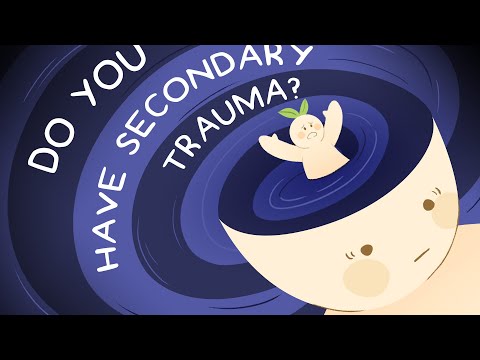
You know how sometimes, hearing about someone else’s trauma can, like, totally affect you?
It’s not just sympathy; it’s more like you’re feeling it too.
That’s what vicarious trauma is all about.
It sneaks in when you least expect it, especially if you work in psychology or mental health.
Being around people’s intense experiences can really take a toll on you.
So, let’s chat about what vicarious trauma means, what it looks like, and how to handle it.
Trust me; understanding this stuff matters more than you might think!
Understanding Vicarious Trauma: Its Impact on Mental Health and Well-Being
Vicarious trauma, huh? It’s an interesting but heavy topic. Basically, it refers to the emotional and psychological effects that can hit you when you’re exposed to someone else’s traumatic experiences. This isn’t just about feeling bad for someone else, though. It’s when those stories seep into your own mind and start to impact your mental health and well-being.
So, you know how sometimes you hear a story about something really awful happening to someone? Maybe a friend shares a tough experience or you see a news report that’s just gut-wrenching. For some people, hearing about these things can cause feelings of anxiety, fear, or sadness as if they’ve experienced the trauma themselves. That’s vicarious trauma in action.
Now let’s break down how this can affect you:
- Emotional Symptoms: You might find yourself feeling more emotional than usual. Things like sadness, anger or irritability might pop up unexpectedly.
- Cognitive Impacts: Your thought patterns could change too. Maybe you’ll start worrying more about safety or feel distrustful of others.
- Physical Reactions: Stress takes a toll on your body as well. You could notice headaches, fatigue, or stomach issues creeping in.
- Behavioral Changes: Some folks might withdraw from social situations because they’re overwhelmed by what they’ve heard or seen.
It’s not just people who’ve experienced crises directly who suffer; think about those in helping professions—like therapists, social workers, and emergency responders—who deal with trauma regularly. They’re often on the front lines absorbing all this pain from their clients or patients.
Here’s something to think about: I once chatted with a friend who worked as a paramedic. He told me that every time he responded to an accident involving kids, it felt like he was reliving his own traumatic childhood experiences. He didn’t realize until later that it was affecting his mood and relationships at home.
So yeah, vicarious trauma is real and can pile up if not addressed properly. Knowing its signs can give you a chance to step back and take care of yourself before things get tough to handle.
If you’re recognizing some of these symptoms in yourself or someone close to you, reaching out for support is totally okay! There’s no shame in leaning on friends or even professional help to navigate through those heavy feelings.
Vicarious trauma reminds us how interconnected we are as humans. But remember: taking care of your own mental health is super important too!
Recognizing Vicarious Trauma in Counseling: Key Signs and Symptoms to Watch For
Recognizing vicarious trauma in counseling can be such a crucial part of supporting those who are helping others. So, what is vicarious trauma? Basically, it happens when someone absorbs the experiences of others, like counselors who listen to clients’ stories about trauma. Overtime, these stories can wear you down emotionally and mentally, even if you haven’t experienced the trauma yourself. You follow me?
Key signs and symptoms of vicarious trauma can sneak up on you. Here’s what to look out for:
Now, I remember this one time when a counselor friend of mine started feeling overwhelmed after listening to her clients share stories of violence and loss. At first, she brushed it off as just being “part of the job.” But soon enough, she found herself withdrawing from social gatherings and even had trouble sleeping at night because those stories kept replaying in her mind! It was hard for her to admit that she was affected by what she heard.
It’s also important to recognize physical symptoms tied into all this: headaches, stomach issues—these are common too! Underestimating these signs is easy but ignoring them can lead to burnout.
Understanding these symptoms can help foster awareness both in yourself and among colleagues in the field. Sharing feelings with peers or seeking supervision is majorly important in keeping everyone healthy.
Take care of yourself while helping others; it’s a balance that matters! Remember, it’s okay to not always have it together as you’re navigating emotional landscapes alongside your clients.
Understanding the Impact of Trauma on Mental Health: Key Insights and Implications
Trauma can seriously mess with mental health, and it’s super important to understand its impact. You know, when people experience something really disturbing, it doesn’t just go away. It sticks around, often showing up in ways you might not even expect.
Vicarious trauma is one of those concepts that gets tossed around a lot. Basically, it’s what happens when someone indirectly experiences trauma through others’ stories. Picture this: if you’re a therapist listening to clients share their heavy experiences every day, over time, that can weigh you down too. You start feeling echoes of their pain in your own life.
So what exactly happens to your brain during these moments? Well, trauma can change how your brain processes emotions and stress. Your amygdala, which is like the smoke detector of your brain, gets all fired up! It becomes hyper-aware of danger even when there’s none around. This heightened state makes it tough to relax or feel safe.
Even if you’re the one not going through the trauma directly, simply hearing about it can cause significant stress and emotional responses. It’s like being in a dark room and realizing the shadows outside are getting closer, even if they’re not actually looming over you.
There are some common symptoms that come with trauma exposure:
- Anxiety: Feeling on edge or constantly worried.
- Depression: Losing interest in things you once loved.
- Flashbacks: Reliving memories as if they’re happening right now.
- Dissociation: Feeling disconnected from yourself or reality.
For folks working in fields like social work or emergency services, vicarious trauma can become an everyday battle. They put themselves on the line to help others but often forget their own mental health needs in the process.
And let’s talk about coping strategies for a sec. It’s important for therapists—or anyone affected by vicarious trauma—to have healthy outlets:
- Supervision: Regularly talk it out with someone experienced who gets what you’re going through.
- Self-care: Do things that make you feel good—yoga, hobbies, or just hanging out with friends!
- Psychoeducation: Learn more about trauma responses so you don’t feel lost in the chaos.
Taking time to recharge is essential; otherwise, burnout sneaks around and takes hold before you know it!
Let me share a quick story about my buddy Sam. He works as a paramedic and has seen some pretty horrific stuff on the job over the years. At first, he thought he was tough enough to handle everything without any help—but he started noticing he was snapping at his family for no reason or feeling overwhelmed by small problems at work.
Once he recognized his feelings as signs of vicarious trauma, he reached out for help and began practicing mindfulness meditation daily. Now? He’s got better tools at his disposal—not just for work but also for keeping his personal life intact too!
So remember this: recognizing the effects of trauma—whether experienced directly or vicariously—is crucial for mental well-being. You’ve got to take care of yourself first if you want to be there for others!
You know, vicarious trauma is one of those things that doesn’t get a ton of attention, but it’s super important in the mental health world. Basically, it’s when someone experiences trauma not directly but through the stories and experiences of others. Think about therapists who listen to their clients share heart-wrenching stories, or first responders witnessing horrific events. It adds a layer of emotional weight that can be really hard to bear.
I remember a friend of mine who was doing crisis counseling for disaster relief. She’d come home every day drained and a bit on edge. It wasn’t just her own stress—it was the stories of people losing everything in floods or wildfires that haunted her. She often felt like she was carrying the pain of so many others, even when she hadn’t lived through those situations herself.
What’s tricky is that many people don’t recognize vicarious trauma as a legitimate issue. You might think, “Oh, they’re just listening to stories; it can’t be that bad.” But the emotional toll can sneak up on you and lead to symptoms like anxiety, depression, or even physical illness. It’s real! That empathic connection we have with others can sometimes shoot us in the foot.
There’s this idea that we should be resilient enough to listen without being affected—that somehow we should put on armor when dealing with trauma narratives. But you know what? That’s not realistic for most folks. The truth is, you need to acknowledge how these intense experiences impact you emotionally and mentally.
It really highlights how essential self-care is for anyone working in mental health or fields where they’re regularly exposed to trauma. Therapists often talk about needing supervision or personal therapy just to process their own feelings about what they hear daily. It’s not weakness; it’s smart!
So yeah, vicarious trauma is a heavy topic but so crucial for understanding the human experience and how we’re all connected—especially when it comes to emotional pain and healing paths for both helpers and those they help.