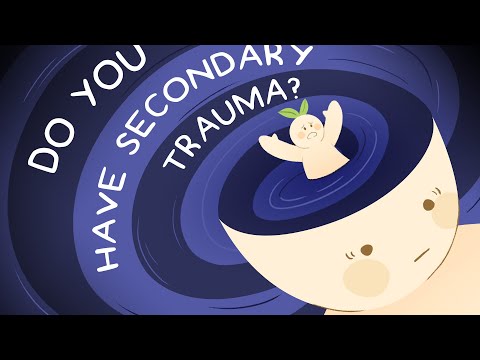
You know how sometimes you hear about something super sad or traumatic? Like, a friend tells you a heartbreaking story, and it really sticks with you.
That feeling, that heavy weight in your chest? It’s not just in your head. It’s a real thing called vicarious traumatization.
It happens when you experience other people’s pain, even from a distance. So, basically, you get affected by their trauma without living it yourself. Crazy, huh?
But this stuff is more common than you’d think. People in helping professions, like therapists or social workers, can really feel it. And it can sneak up on anyone who’s exposed to trauma stories regularly.
Let’s chat about what that emotional toll looks like and how to cope with it. You might be surprised at just how deep this rabbit hole goes!
Understanding Vicarious Trauma vs. Secondary Trauma: Key Differences and Impacts on Mental Health
Vicarious trauma and secondary trauma, while similar, have some key differences that can really affect mental health. Let’s break it down a bit.
Vicarious trauma refers to the emotional impact you experience when you’re exposed to someone else’s traumatic experience over time. Imagine being a therapist or a first responder. When you hear about others’ pain repeatedly, it can take a toll on your own mental well-being. You might start feeling symptoms similar to PTSD, like anxiety or sadness.
On the other hand, secondary trauma is more about the immediate reactions you feel after hearing about someone’s trauma. You might not be in the trenches like therapists are, but even just listening to a friend’s story of loss can leave you feeling shaken up for days. It’s like getting hit by an emotional wave that crashes over you suddenly.
Both types of trauma can lead to significant mental health issues, but their paths are different. With vicarious trauma, it’s more of a slow burn; it builds up gradually as you’re constantly exposed to distressing stories and scenarios. You might wake up one day realizing you’ve changed—becoming less trusting or feeling hopeless.
With secondary trauma, things can feel pretty intense right after the event itself. You might have trouble sleeping that night because what your friend told you echoes in your mind over and over again.
Here are some key points that highlight their differences:
- Exposure: Vicarious trauma comes from repeated exposure to traumatic narratives; secondary trauma arises from single incidents.
- Symptoms: Vicarious trauma often leads to long-term changes in worldview; secondary trauma usually causes short-term distress.
- Response time: Vicarious trauma builds up slowly; secondary trauma hits hard and fast.
- Coping mechanisms: Those experiencing vicarious trauma may need long-term strategies—like therapy—while people dealing with secondary trauma might just need space and time.
Let’s say you’re a social worker who hears about families losing homes due to natural disasters every week (that’s vicarious). After one particularly tough case discussion where a child lost everything, you feel overwhelmed for days (that would be secondary). Both experiences are valid but differ in how they manifest and affect your life.
So yeah, understanding these differences is crucial for anyone working in fields where they regularly encounter others’ pain. Taking care of your own mental health isn’t just important—it’s essential! Because if we don’t pay attention to our own needs while helping others, we risk burning out or getting pulled under by our own emotional currents.
Understanding Vicarious Trauma: Real-Life Examples and Insights
Vicarious trauma, huh? It’s a big deal, especially for those who work in emotionally taxing environments like social work or therapy. It’s about picking up the emotional baggage of others without even being directly involved in their trauma. You know, like carrying someone else’s heavy backpack just because you were nearby when they stumbled.
When you hear stories of pain and suffering repeatedly, it takes a toll on you. It’s not just sympathy; it dives deeper into empathy, where you start feeling some of that pain yourself. So if you’re in a helping profession, it’s essential to understand this concept—trust me.
What is Vicarious Trauma?
It’s when someone absorbs the trauma stories of others and starts feeling unresolved emotions related to their experiences. Think about nurses working in emergency rooms. They see traumatic events daily. Over time, that exposure can lead to nightmares, anxiety, or even avoidance behaviors as if they experienced the event themselves.
Here are some key points to consider:
Let’s break it down with an example: Imagine a therapist who hears about their clients’ traumatic pasts every day—abuse, neglect, loss. At first, they’re just there to help. But after months or years? They might find themselves feeling emotionally drained—like they’re walking around with a cloud hanging over them.
A real-life scenario? Picture a firefighter who deals with severe accidents regularly. They witness trauma and loss in ways most people can’t even imagine. Over time, they might struggle with flashbacks or have trouble sleeping due to the things they’ve seen and heard on the job.
So what do we do about it? Well, awareness is key! If you’re constantly exposed to trauma through work or relationships, taking care of yourself becomes crucial:
Finally, vicarious trauma needs recognition—not just from those affected but also from organizations and society at large. The thing is, while you’re helping others heal their wounds, don’t forget about your own mental wellness! Taking care of yourself isn’t selfish; it’s necessary for continuing to support those around you effectively.
Understanding Vicarious Trauma: Signs, Effects, and Coping Strategies
Vicarious trauma is like this sneaky little beast that creeps up on you when you work in situations where you hear about or see other people’s trauma. Imagine being a counselor, a firefighter, or even a nurse. You deal with people who are hurting, and over time, you start to feel the weight of their pain too. It’s like carrying around heavy backpacks full of everyone else’s emotional baggage. You know what I mean?
Signs of Vicarious Trauma
Recognizing the signs can be tricky because they often creep in slowly. You might notice:
- Feeling emotionally drained or numb.
- Increased cynicism or negativity towards your job.
- Changes in your worldview; maybe you used to see the glass half full but now it’s just half empty.
- Difficulty sleeping or concentrating.
- Physical symptoms like headaches or stomach issues that seem to pop up outta nowhere.
Each one of these signs can feel pretty subtle at first, but they can stack up and make life feel heavier than it should.
The Effects on Mental Health
The emotional toll of vicarious trauma can lead to some serious mental health effects. It might not only leave you feeling anxious or depressed but also create a sense of disconnection from others. You might think: “Why can’t they just get over it?” But that’s because their trauma has been processed through your own heart and mind.
When I was talking to a friend who works as a paramedic, she described how she sometimes feels guilty for enjoying her life when her job exposes her to so much suffering. That guilt? It’s part of vicarious trauma taking hold.
Coping Strategies
Dealing with this stuff isn’t easy, but there are ways to manage the emotional toll:
- Self-care: Find what rejuvenates you—be it yoga, painting, or just binge-watching that show everyone talks about.
- Talk it out: Seriously, sharing feelings with friends or coworkers can help lighten the load.
- Create boundaries: Know when it’s time to step back and give yourself some space from work-related stressors.
- Pursue therapy: Professional help can provide tools and strategies tailored specifically for dealing with vicarious trauma.
- Meditation and mindfulness: Sometimes just taking a moment to breathe deeply and be present helps snap the cycle of stress.
You don’t have to go through this alone. Reaching out for support is okay—it’s actually a sign of strength!
Overall, understanding vicarious trauma helps recognize not just your own experiences but also those around ya who might be feeling similar pressure. By acknowledging its signs and effects—and implementing some solid coping strategies—you set yourself up for resilience against this invisible strain. You’ll find balance again!
You know, vicarious traumatization isn’t something we talk about enough. It’s like this silent shadow that creeps up on you when you’re constantly hearing about other people’s trauma – especially if you’re in a helping role, like therapists, social workers, or even close friends and family. It’s real and it can really mess with your head.
Picture this: My friend Jenna works as a crisis hotline counselor. She’s got this huge heart, always ready to lend an ear. But after months of listening to callers share their heartbreaking stories—things like abuse, loss, and despair—she started feeling anxious and overwhelmed herself. At first, she brushed it off as just stress from work. But it got worse. She had trouble sleeping and felt emotionally drained all the time. I mean, who wouldn’t? When you’re absorbing that kind of pain regularly, it’s bound to seep into your own life in some way.
But here’s the kicker. Many people don’t recognize what they’re going through is actually a form of trauma too! Vicarious traumatization happens because our brains are wired to empathize. When you hear someone else’s story or bear witness to their suffering, your brain can react almost as if it were happening to you. That emotional bandwidth has limits though; it’s like trying to pour water into a cup that’s already full.
The signs can be sneaky—they might show up as feeling more irritable than usual or having a hard time concentrating. You might find yourself overthinking situations or avoiding certain topics altogether because they feel too heavy.
So what do you do when life gets too heavy? First off, it’s vital to acknowledge those feelings and not brush them aside. Self-care can take many forms: maybe it’s talking with someone who understands what you’re dealing with (like a therapist), taking time for hobbies that recharge your spirit, or even practicing mindfulness to ground yourself amidst the chaos.
In the end, there’s no shame in feeling the weight of others’ trauma; it’s part of being human and connected to one another. Just remember that it’s okay—and necessary—to take care of yourself along the way too!