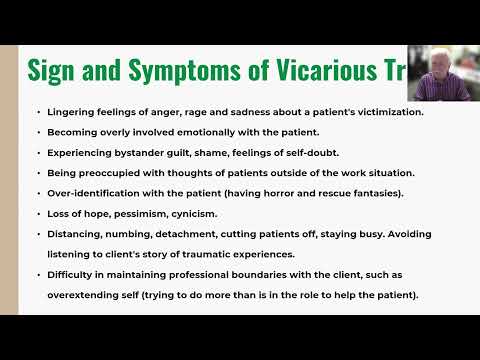
So, let’s chat for a minute about this thing called vicarious trauma. Ever heard of it?
Basically, it’s when you feel the weight of someone else’s pain. It’s like carrying around extra baggage that doesn’t even belong to you.
And if you’re a caregiver, you probably know what I’m talking about.
You’ve got this huge heart, but sometimes it feels like you’re running on empty, right? You’re there for others all the time—listening, helping, being strong. But what about your own feelings?
Compassion fatigue sneaks in when you least expect it. It’s exhausting! You might think you’re just tired or stressed, but there’s more to it.
Let’s unpack this together and figure out some ways to navigate through these choppy waters. Seriously, taking care of yourself is just as important as taking care of others!
Essential Strategies for Managing Caregiver Stress: A Comprehensive Help Guide
Caring for someone, whether it’s a family member, a friend, or a patient, can be incredibly rewarding but also super demanding. You know how it is—you pour so much of yourself into helping others that sometimes you forget to take care of your own needs. That’s where caregiver stress comes in, and managing it is crucial. Let’s break down some essential strategies for dealing with this kind of stress and avoiding things like vicarious trauma and compassion fatigue.
Know Your Limits
First things first, recognize your own boundaries. It’s easy to feel like you have to do everything, but you can’t pour from an empty cup. Seriously! If you’re running on fumes, how can you give your best to someone else? So figure out what you can realistically handle without stretching yourself too thin.
Set Aside «Me Time»
Carve out time just for yourself. That could mean reading a book, going for a walk, or even just binge-watching your favorite show. You know that saying about finding joy in the little things? It really applies here! Taking breaks helps recharge your energy and gives you the mental space needed to be effective in your caregiving role.
Talk It Out
You don’t always have to carry the weight alone. Reach out to friends or support groups who understand what you’re going through. Sometimes just sharing your thoughts can lighten the load a bit—it’s like giving a voice to those bottled feelings! Plus, others might offer perspectives or advice that help you see things differently.
Practice Mindfulness
Being present in the moment can work wonders. Yoga, meditation, or simple breathing exercises help calm frayed nerves and center your thoughts. Even spending time outdoors can ground you; nature has this amazing way of putting life into perspective. Try taking five deep breaths when you’re feeling overwhelmed—it seriously does help!
Acknowledge Your Feelings
Feeling stressed or overwhelmed doesn’t make you weak; it makes you human! Allow yourself to feel what you’re feeling without judgment. If sadness creeps in or anger rears its head sometimes—that’s okay! Understanding it’s part of the journey allows for healing and growth instead of being stuck in guilt.
Seek Professional Help if Needed
There’s absolutely no shame in reaching out for help from mental health professionals if things get rougher than expected. Therapy isn’t just for crises; it can be a lifeline when stress piles up over time too. They’re trained to help navigate these emotional waters with tools tailored just for you.
Establish Routine
Having a routine can provide stability amid chaos, like anchoring down during stormy weather! Create schedules that include self-care activities alongside caregiving duties so that both get their fair share of attention—balance is key!
In caring roles—like being there for someone who is unwell—you’re more prone to experiencing vicarious trauma and compassion fatigue because you empathize deeply with others’ struggles. Recognizing these signs early on helps prevent them from spiraling out of control.
Finally, remember: **you are important** too! Caregiving isn’t about sacrificing yourself completely; it’s about creating harmony between care and self-care so everyone thrives—including you!
Understanding Caregivers’ Mental Health: Tips for Well-Being and Stress Management
Caring for someone can be super rewarding, but let’s be honest—it can also be a real emotional rollercoaster. Caregivers often find themselves facing challenges like **vicarious trauma** and **compassion fatigue**. These terms might sound fancy, but they basically mean that when you’re caring for someone who’s struggling, you can start to feel their pain and stress, even if it’s not happening to you directly.
Think about it like this: When you’re listening to a friend talk about their tough day, it’s natural to feel a bit weighed down by their sadness. Now imagine doing that every day with someone who is dealing with serious issues. It can take a toll on your mental health!
So what can you do? Here are some strategies that might help:
- Recognize Your Feelings: Seriously, don’t ignore your emotions. Sometimes just acknowledging that you’re feeling overwhelmed or drained can ease the burden.
- Set Boundaries: You might think every moment of your time has to go into caregiving, but you need time for yourself too! Set limits on how much time you dedicate to caring tasks.
- Practice Self-Care: Take a break! Go for a walk, read a book, or even just chill with some Netflix. Whatever makes you happy—do it!
- Talk About It: Find people who understand what you’re going through—friends, family members, or support groups. Sharing experiences can lighten your emotional load.
- Seek Professional Help: If it feels like everything’s piling up too much, talking to a therapist could really help. They get it and can provide tools to cope better.
You know how when you’re on an airplane they tell you to put on your own oxygen mask before helping others? That applies here too! If you’re running low on energy or health, how can you be there for someone else?
And here’s an important point: **Vicarious trauma** and **compassion fatigue** aren’t signs of weakness; they’re normal reactions to intense caregiving situations. You’re not alone in this struggle! Just the other day, I was chatting with someone who cares for their aging parent with dementia. They mentioned feeling utterly exhausted and guilty about taking breaks—as if they were somehow abandoning their loved one. But here’s the thing: Taking care of yourself means you’ll actually be better at caring for others.
In essence, staying mentally healthy as a caregiver isn’t just nice—it’s essential! By recognizing your emotional needs and making space for them in your life, you’re not only helping yourself but also ensuring that you’re able to provide the best possible care.
Remember: You matter too!
Recognizing Caregiver Burnout: How to Find Support When You No Longer Want to Care
Recognizing caregiver burnout can be a tricky business. You might feel like you’re running on empty, and that’s totally normal. Caregiving is a tough gig—it’s rewarding, sure, but it also comes with a hefty emotional toll. If you’re starting to feel overwhelmed, it’s time to take a step back and check in with yourself.
What is Caregiver Burnout? It happens when the emotional and physical demands of caregiving start to outweigh your ability to cope. You might find yourself feeling exhausted all the time, even if you’ve had enough sleep. You may lose interest in things you once loved or become increasingly irritable, snapping at little things that never bothered you before.
Just think about it: imagine pouring all your energy into someone else’s well-being while neglecting your own needs. That can create a sense of resentment or frustration—you’re not alone if you’ve felt that way! It’s crucial to recognize these feelings before they spiral out of control.
Now, let’s talk about some signs that might pop up when you’re dealing with burnout:
- Physical Symptoms: Chronic fatigue, headaches, or even illness can crop up.
- Emotional Responses: You may feel sad, anxious, or overwhelmed by responsibilities.
- Cognitive Changes: Trouble concentrating or making decisions? Yep, that could be a sign.
- Social Withdrawal: Pulling away from friends and family? That’s not just introversion—could be burnout.
You know what? It’s totally okay to admit you’re struggling. Seriously! Recognizing burnout is the first step toward healing. But what do you do next?
Seeking support is key. Whether it’s talking to friends who get it or joining a support group where others share similar experiences—it helps! Some people find comfort in professional therapy, which can provide a safe space for sorting through all those tangled emotions.
When I was supporting my mom during her illness, I thought I had everything under control. But there came a point when I felt like I was drowning in responsibilities; I just didn’t want to care anymore. Talking to a friend helped me see that it was okay to ask for help—from professionals or even family members who could share the load.
Sometimes self-care feels like another chore on an already long list of tasks—but it doesn’t have to be! Find little ways to recharge your battery: maybe take a walk outside, engage in hobbies you once loved (even if it’s just for 10 minutes), or listen to music that lifts your spirits.
And don’t forget about setting boundaries; they’re essential for maintaining your mental health. It’s okay to say no sometimes—your well-being comes first.
In this journey through caregiving and potential burnout, acknowledge your limits and prioritize self-compassion over perfectionism. You deserve support and care too! Reaching out isn’t just about surviving; it’s about thriving again so you can continue being there for those who need it most without losing sight of yourself along the way.
You know, caregiving can be one of the most rewarding things you can do, but it definitely comes with its own set of challenges. When you’re constantly exposed to other people’s pain and suffering—like, let’s say you’re taking care of someone who’s seriously ill—it can really take a toll on your own mental health. That’s where vicarious trauma and compassion fatigue come into play.
I remember a friend of mine who worked in hospice care. She was so dedicated, always giving her all to her patients and their families. But over time, she started to feel overwhelmed. It wasn’t just stress; it was like this weight that kept piling on her heart. She’d share stories about the people she cared for, and I could see how deeply it affected her. It wasn’t just compassion; it was more like a raw wound opening every time she connected with someone who was suffering.
Vicarious trauma happens when you experience the emotional fallout from hearing or witnessing someone else’s traumatic experiences. Your heart aches for them, but then that hurt starts to seep into your own life too. It’s like carrying around their pain without even realizing it sometimes.
And then there’s compassion fatigue, which is often described as a sort of burnout from being empathetic all the time. You want to be there for others, but eventually, you find yourself emotionally drained—feeling numb or detached from everything around you. It’s hard because caregiving feels like an endless cycle of giving love and support while also feeling this immense loss.
So what can we do about this? Well, self-care becomes super important here! Taking time for yourself is not selfish; it’s necessary! Just grabbing coffee with a friend or going for a walk can help recharge your batteries. Even talking to a therapist can help you unpack those heavy feelings without judgment.
You know what’s also helpful? Setting boundaries! There are times when it’s okay to take a step back and breathe for your own sake. Reminding yourself that you can’t pour from an empty cup is key!
To be honest though, navigating these feelings isn’t easy at all. Caring deeply shows how beautiful our hearts can be—but somewhere in that beauty is also vulnerability. Just remember: taking care of yourself isn’t just good for you; it’s good for those you’re caring for too! When you’re in a better place emotionally, you’re able to offer even better support—and isn’t that the goal?