You know that feeling when you hear a story so intense, it just sticks with you? Like, you can’t shake it off?
That’s kinda what vicarious traumatization is about. It’s when you feel the weight of someone else’s trauma, and it leaves a mark on your own mental health. Crazy, right?
Imagine being a therapist or a first responder constantly dealing with heavy stuff. Over time, that emotional fallout can build up. You might start feeling anxious or even numb.
Funny how stuff we experience secondhand can really mess with us! So, let’s chat about how this works and its effects on our minds. It’s definitely worth digging into!
Understanding Vicarious Trauma vs. Secondary Trauma: Key Differences and Impacts
and secondary trauma often get tossed around as if they’re the same thing, but there are some key differences between them. Both terms refer to the emotional toll that witnessing or hearing about traumatic events can take on individuals, especially those working in fields like mental health, social work, or emergency response. But they differ in how they impact a person and what triggers these feelings.
So, vicarious trauma is about shifts in your worldview due to exposure to others’ trauma. It’s like when a therapist listens to their client recount a horrific event. Over time, they might start feeling doubts about safety, trust, or even humanity itself. You know how you watch a scary movie and it sticks with you for days? Well, vicarious trauma is kind of like that but way more serious.
On the other hand, secondary trauma refers to the *stress* you’re feeling just from hearing someone else’s story of trauma without having experienced it firsthand. Think about a nurse who has seen countless patients suffering from severe injuries. After hearing their stories day in and day out, they might find themselves really anxious and stressed. They didn’t live through it themselves, but those stories weigh heavily on them.
- Vicarious Trauma: Changes your beliefs about life; it’s deeper and affects your core understanding of safety.
- Secondary Trauma: Causes stress symptoms without altering fundamental beliefs; it’s more surface level.
The impacts of these types of trauma can be significant on mental health. With vicarious trauma, you may experience things like depression, anxiety disorders, or a decreased sense of purpose in life because of how heavy those stories feel. It’s like carrying around a backpack filled with bricks all day long.
In contrast, secondary trauma might lead to burnout or compassion fatigue. You might feel fatigued emotionally after hearing so many sad stories but still maintain that basic belief that most people are good and the world isn’t all doom and gloom.
Here’s where it gets personal—let’s say you’re working as a therapist who specializes in helping survivors of domestic violence. Over time, you could start internalizing those painful experiences shared by your clients (vicarious trauma). However, if you’re merely taking notes after listening to their stories without internalizing them too deeply—maybe you even keep some distance—you might end up experiencing secondary trauma instead.
To cope with both types of trauma involves some strategies worth trying out. Regular self-care practices are crucial: think meditation or talking things out with someone who understands what you’re going through. Setting boundaries at work is also super important; sometimes just stepping back can help lift some weight off your shoulders.
In short? While both vicarious and secondary traumas are real issues that deserve attention and care — understanding the differences between them can guide better support systems for those who deal with the emotional fallout from others’ pain every day.
Essential Checklist for Recognizing and Managing Vicarious Trauma
Vicarious trauma can hit harder than you might think. It’s when you absorb the emotional stress from someone else’s traumatic experiences. You know, like when you’re hearing about someone’s struggles or working in a helping profession, and it somehow lingers with you, affecting your own mental health. So yeah, recognizing and managing this kind of trauma is super important.
First off, let’s chat about some signs that might indicate you’re dealing with vicarious trauma. These are red flags to look out for:
- Increased anxiety: You feel jittery or on edge more often than usual.
- Emotional numbness: Sometimes, it feels like you’re just going through the motions.
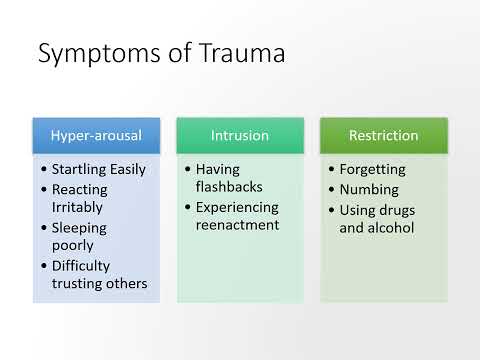
- Intrusive thoughts: Images or memories from others’ trauma pop into your head uninvited.
- Physical symptoms: Headaches or stomach issues that come out of nowhere can be a sign too.
Now that we’ve got that down, it’s all about management. Here’s a checklist to help you navigate vicarious trauma:
- Acknowledge your feelings: Seriously, don’t brush them off. It’s okay to feel affected.
- Set boundaries: Know when to take a step back. It’s super easy to get sucked into someone else’s pain.
- Practice self-care: Make time for things that recharge you—like hobbies or hanging out with friends.
- Talk about it: Sharing your experiences with someone who gets it helps lighten the load.
This reminds me of a friend who works as a social worker. She was always there for her clients but started feeling overwhelmed by their stories. One day, she realized she hadn’t taken a break in weeks! Once she started talking it out with her own therapist and took time for herself, things got way better.
Lastly, don’t forget—if things are getting too heavy? It might be time to seek professional support. Whether it’s therapy or joining a support group, reaching out can make all the difference.
Remember, recognizing and managing vicarious trauma is crucial not just for your own sake but also so you can keep being there for others without losing yourself in the process!
Understanding Vicarious Trauma: Real-Life Examples and Insights
Vicarious trauma is one of those concepts that sounds a bit heavy, but it’s honestly super important to understand—especially for folks in helping professions. Basically, it’s when you experience trauma not directly, but through someone else’s experiences. Does that sound complicated? Let’s break it down.
When you’re exposed to someone else’s trauma—like a therapist hearing about their client’s horrific experiences or a first responder witnessing a tragic accident—you can end up feeling the emotional weight of that pain, even if you weren’t there. It can really mess with your mental health over time. You know how sometimes, after a long day of listening to your friend spill their heart out about something tough, you just feel drained? That’s sort of like what happens with vicarious trauma, but on a whole different level.
Think about someone like a social worker dealing daily with families affected by domestic violence. They hear heartbreaking stories and are constantly reminded of the pain people endure. Over time, this consistent exposure can lead to feelings of hopelessness or even anxiety about their own safety and well-being.
Here are some key points about vicarious trauma:
- Emotional exhaustion: Constantly processing traumatic stories can leave you feeling emotionally worn out.
- Signs change: You might start feeling more anxious or detached from your own life and relationships.
- Coping mechanisms: Healthy coping strategies like talking to friends or seeking supervision can help mitigate these feelings.
- Physical symptoms: Sometimes the stress manifests physically—think headaches or digestive issues.
Let me tell you about a friend who worked as an emergency room nurse. After dealing with countless emergencies and deaths in her shift, she found herself having nightmares and stressing over every little bump she had on the road home—the anxiety crept into her daily life in a way that felt overwhelming. She wasn’t just worried for her patients; she started feeling unsafe everywhere.
So really, recognizing vicarious trauma is crucial for anyone exposed to others’ pain regularly. It helps prevent burnout and allows those in caring roles to take care of themselves too. Remembering you’re human helps! It’s okay to seek help when things feel heavy—you don’t have to carry that load alone.
In summary, while vicarious trauma isn’t something most people directly imagine experiencing, it’s more common than we think among caregivers, therapists, and others walking alongside those in crisis. Understanding this whole vibe sets the stage for healthier conversations around mental health at work—and in our lives too.
You know, vicarious traumatization is one of those things that can really creep up on you. It’s not just about what you go through yourself; it’s also about how the trauma of others can sneak into your life and affect the way you think and feel. Think about it—if you’re close to someone who’s been through something awful, their pain can weigh heavily on your heart and mind.
I remember a friend of mine who worked as a first responder. She’d come home after long shifts filled with everything from accidents to domestic violence calls. Even though she wasn’t the one directly involved, just hearing those stories took a toll on her emotional state. She became more jumpy, snapping at friends over silly things, and some nights were just consumed with anxiety for no clear reason. It was all about absorbing other people’s distress.
Vicarious trauma happens when you’re exposed to traumatic events repeatedly, even if only by listening or witnessing them indirectly. For many folks in caregiving professions—like therapists, social workers, or emergency responders—this exposure can lead to symptoms that mimic PTSD. You start to see changes in your mood and outlook on life that just don’t feel like “you” anymore.
What’s wild is how subtle it can be at first. You might not even realize you’re affected until it spirals into more significant issues like burnout or depression. You find yourself feeling disconnected from loved ones or struggling to enjoy things that used to make you happy. It’s like this thick fog settling in around your heart.
If you’re dealing with this kind of emotional drain—or if someone you’re close with is—you’ve got options! It could be chatting with a professional who gets it, or even just finding ways to create boundaries around the emotional energy coming your way. Sometimes it helps just to talk about what you’re feeling instead of keeping it bottled up inside.
In any case, don’t underestimate the weight of carrying someone else’s trauma along with your own. Everyone deserves a break now and then—especially when it comes to mental health!