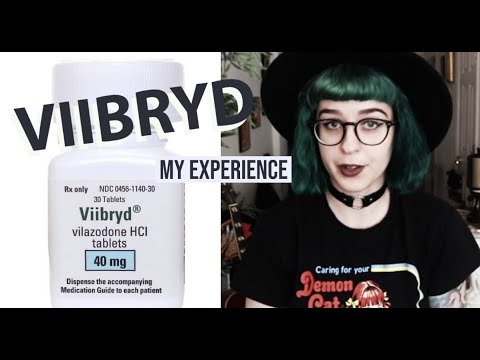
So, you’re curious about Viibryd, huh? It’s one of those medications that gets tossed around a lot in mental health conversations.
But, like, what’s the deal with its cost? And how does it fit into the whole mental health picture?
You might be wondering if it’s worth it or if there are other options.
Let’s chat about what Viibryd is all about—both the price tag and how it can help people feel better. It’s a pretty important topic, for sure!
Understanding the Cost of Viibryd Without Insurance: A Comprehensive Guide
The cost of Viibryd can really throw you for a loop, especially if you’re navigating it without insurance. So, let’s break this down into bite-sized pieces that make sense.
First off, what’s Viibryd? Well, it’s a medication often prescribed for depression and sometimes anxiety disorders. The main aim is to help stabilize your mood and improve overall mental health. But when you’re facing the financial aspect of it without insurance coverage, things can get complicated.
Now, the price tag for Viibryd can vary quite a bit depending on a few factors. On average, you might be looking at around **$400 to $500 for a month’s supply** if you’re paying out of pocket. Yeah, that’s steep! Some pharmacies may even set different prices, so it can be worth checking around.
Let’s look at some key points to consider regarding cost:
- Manufacturer Coupons: Sometimes the company that makes Viibryd offers savings programs or coupons. These could significantly lower your costs if you qualify.
- Generic Options: Currently, there isn’t a generic version of Viibryd available yet. When there is one, it’ll likely reduce prices by quite a bit.
- Pharmacy Discounts: Some pharmacies have discount programs or membership plans that could save you money on prescriptions.
An emotional note here: Imagine someone finally finding relief from their depressive symptoms but feeling crushed by the financial burden. It really shows how intertwined money and mental health can be.
So why does this medication matter? It plays a big role in many people’s lives who struggle with mental health issues. When someone finds something that works for them—to feel «normal»—that experience is priceless. Yet the fear of not being able to afford needed prescriptions can cause more anxiety.
That said, keep an open line with your healthcare provider about these costs! They might have suggestions or alternatives based on your situation, and they care about your well-being just as much as you’d want them to.
To wrap things up: understanding the cost of Viibryd without insurance isn’t just about numbers; it also touches on deeper emotional realities people face while managing their mental health. You’re not alone in navigating this complex world where expenses really add up—they surely affect many individuals and families out there grappling with similar circumstances.
The True Cost of Vilazodone: Understanding Its Price in Mental Health Treatment
Vilazodone—better known as Viibryd—is an antidepressant that’s got its own unique place in the world of mental health treatment. It’s mainly used for major depressive disorder. So, if you’re considering it or even just curious about the cost and what it might mean for your mental health journey, let’s break it down.
First off, the price of Vilazodone can vary quite a bit depending on a few factors. For instance, without insurance, a month’s supply can range anywhere from $400 to $700. Yikes, right? That’s like paying for a fancy dinner every month just to feel better. So when you look at these numbers, it’s definitely worth considering how much it’s going to hit your wallet.
Now, if you have insurance, things can change dramatically. Some plans might cover it pretty well while others won’t budge an inch. You might end up paying just a small copay—like $10 or $20—or face a hefty deductible before you see any benefits at all. And then there’s the formularies, which are the lists insurance companies use to determine which medications they’ll help pay for. If Vilazodone isn’t on that list? Well then you’re back to square one with those high out-of-pocket costs.
But wait, there are more considerations beyond just the price tag itself! The effectiveness of Vilazodone is something patients often discuss. Some folks find that it actually does wonders for their mood and overall mental health. This positive response can sometimes justify those high costs because when you feel better mentally, other areas of life also tend to improve—think relationships and work performance. So yeah, investing in your mental health matters!
Then there’s the matter of side effects. Common ones include nausea and diarrhea but they usually subside after a bit—at least that’s what many people report. Still, if you’re going through all this trouble and money just to end up feeling worse initially? That can be frustrating as heck.
When considering treatment options like Vilazodone, remember that there are other alternatives too—like therapy or lifestyle changes—which could also play a role in managing depression symptoms without breaking the bank.
In summary:
- Cost: Without insurance, expect around $400-$700 per month.
- Insurance: Coverage varies; check your formulary!
- Effectiveness: Can lead to improved mood but varies by person.
- Side Effects: Possible initial discomfort; patience is key.
- Treatment Options: Explore alternatives beyond medication.
So arms up: understanding both the financial investment and potential emotional returns is crucial when thinking about adding Vilazodone into your life or someone else’s journey towards better mental health!
Viibryd: Is This Antidepressant a Mood Stabilizer for Mental Health?
Viibryd, or vilazodone, is an antidepressant that, well, it can seem a bit confusing. It’s used primarily for treating major depressive disorder. The thing is, while it’s mainly an antidepressant, some folks wonder if it also works as a mood stabilizer. That’s a big question!
First off, what makes Viibryd unique? It’s a selective serotonin reuptake inhibitor (SSRI) with an added twist. It also acts on serotonin receptors directly. This dual action can be beneficial for some people. But does this mean it stabilizes mood in the same way that actual mood stabilizers do? Not really.
Look, here’s the deal: mood stabilizers like lithium or certain anticonvulsants are specifically designed to even out highs and lows in mood disorders like bipolar disorder. Viibryd doesn’t have that same focus. It targets depression symptoms more than anything else. So if you’re thinking of using it as a way to keep your mood steady like a rock… well, that might not be the best idea.
Now about the cost. Like many medications in the U.S., Viibryd can be pricey! Without insurance, you’re looking at around $800 for a month’s supply. Crazy, right? Luckily, many insurance plans do cover it to some extent. If you’re concerned about cost but still want to manage your mental health effectively, talk to your doctor about options; maybe there are patient assistance programs available.
In real life scenarios — let’s say you’re feeling pretty low and your doc prescribes Viibryd — you might notice some initial relief from depressive symptoms after starting treatment. But keep in mind: everyone reacts differently to meds! Some people experience side effects like nausea or insomnia initially but find they fade over time.
So what should you take away from this? Viibryd can be helpful for managing depression, but it isn’t a substitute for traditional mood stabilizers when needed for conditions like bipolar disorder. Always consult with your healthcare provider to find what works best for you!
And hey, don’t forget: mental health care is super personal! What works wonders for one person might not do much for another — and that’s totally okay! Just remember to keep the lines of communication open with your doctor so they can help guide you through this process smoothly and effectively.
Okay, let’s chat about Viibryd for a minute. If you’re not familiar with it, Viibryd (or vilazodone, if we’re being all technical) is an antidepressant used mainly for major depressive disorder. But look, the cost of any medication can sometimes feel like a punch to the gut.
I remember when my friend started taking it. She was really struggling with her depression and had tried a bunch of different meds before finding one that worked for her. The relief she felt was huge! But then came the discussion about costs. She had insurance, but even with that coverage, the out-of-pocket expenses made her think twice.
Here’s where it gets tricky. Mental health meds can vary in price so much based on factors like insurance plans and pharmacy prices. One pharmacy might charge an arm and a leg while another offers a way better deal. Plus, who actually has time to research all this stuff when you’re just trying to feel better?
The thing is, when you’re dealing with mental health issues, these costs can be a real barrier. Imagine feeling awful and finally finding something that helps—only to be hit by bills that stress you out even more! It’s like climbing a mountain only to find that there’s another one right behind it.
Viibryd’s cost plays this weird role in managing mental health because the stress over how to afford it can overshadow the benefits of actually taking it. Like my friend had to juggle budgeting for therapy sessions too! And you know how vital therapy is alongside meds; they often work best together.
But here’s what I think: there should be more conversations about these challenges. Finding financial help or generic options could make such a difference. So if you’re considering Viibryd or anything else for your mental health journey, keep talking about costs and don’t hesitate to lean on your doctor or pharmacist for advice on making it manageable!
At the end of the day, you deserve support without having to constantly worry about whether you can afford your meds—or if they’ll even work at all once you start taking them.