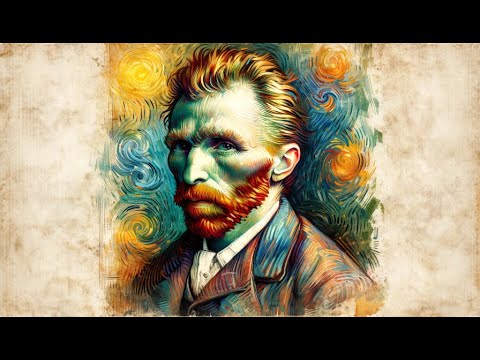
Vincent van Gogh, right? The painter with the wild brush strokes and those intense colors. But here’s the thing—his life was anything but a masterpiece.
Seriously, it’s a rollercoaster ride of joy and despair. You feel me? He battled bipolar disorder, which was like having a storm raging inside him.
Imagine being able to paint all that beauty while also feeling like you’re trapped in darkness. Wild, huh?
So let’s take a stroll through his life and see how those ups and downs shaped his art—and maybe even give us some insight into our own struggles too. Sound good?
Exploring Theo van Gogh’s Mental Health Journey: Insights into His Illness and Artistic Legacy
Vincent van Gogh was a true genius, but his life wasn’t all about the vibrant colors and powerful strokes we admire today. His mental health challenges played a huge role in both his life and work. Basically, he struggled a lot with moods that shifted from intense highs to devastating lows, which many people think of as symptoms of bipolar disorder.
So what does that look like? Well, during his manic phases, Vincent created some of his most famous pieces. You know, stuff like «Starry Night» and «Sunflowers.» When he was on top of the world, his creativity flowed. But then came the dark times—he’d feel deep despair and isolation. There were periods where he couldn’t paint at all. It’s heartbreaking when you think about how much he wanted to connect with others but often felt so alone.
There’s this one story that really stands out about him cutting off part of his own ear after a particularly intense argument with fellow artist Paul Gauguin. It’s kind of a shocking image, right? But it speaks volumes about the depth of his emotional struggle during those darker moments.
What many people don’t realize is that mental health issues can also lead to unique insights and perspectives in art. Van Gogh seemed to channel his pain into beauty. His work invites viewers into a world filled with emotion, showing us not just what he saw but how he felt at any given moment. That sense of intensity is something lots of artists can relate to.
Looking at Vincent’s legacy today, art therapists often use pieces like “The Bedroom” or “Irises” to discuss emotional experiences with their clients. They highlight how art can be a way to process feelings and even heal. So while Vincent dealt with extreme challenges in life, his art became an avenue for understanding mental struggles—not just for him but for countless others since then.
His correspondence with his brother Theo is another layer worth mentioning too. In those letters, you see so much vulnerability—he talks openly about his pain and isolation but also shares dreams about being understood as an artist. Theo provided support emotionally and financially throughout Vincent’s tumultuous journey.
Ultimately, van Gogh’s story sheds light on the complex relationship between artistic expression and mental health challenges like bipolar disorder. It gives us insight into how those struggles shape individuals creatively while also serving as crucial reminders of the importance of support systems.
In short, exploring van Gogh’s life offers valuable lessons about empathy—both for ourselves and others who tackle their own mental wellness journeys daily—and reminds us raw emotions can fuel incredible creativity even amid darkness.
Exploring the Mental Health Struggles Behind Van Gogh’s Ear: A Deep Dive into His Life and Art
Vincent van Gogh is, like, one of those artists whose life story just sticks with you. I mean, how can you not think about the struggles he faced? The infamous incident of him cutting off his ear is a shocking symbol of his inner turmoil. But behind that dramatic moment lies a complex tapestry woven with mental health issues, particularly what many believe to be bipolar disorder.
To start, Van Gogh’s life wasn’t exactly a walk in the park. He was born in 1853 in the Netherlands and faced hardships early on—his family was quite religious, and he had trouble fitting into their expectations. The thing is, these early struggles likely fed into his later mental health issues.
Van Gogh experienced intense emotional highs and lows throughout his life. During those manic phases, he could produce stunning works of art at breakneck speed—like “Starry Night.” Seriously, that painting just bursts with energy and emotion! But these highs often crashed into deep depressions where he struggled to find meaning or pleasure in anything.
It’s thought that Van Gogh’s bipolar disorder might have included episodes of depression along with those manic fits. In one letter to his brother Theo, he described feeling like he was living in a dark pit while also being able to experience such vibrant joy when things were good.
In terms of his behavior—wow—it was often erratic. He had intense relationships that frequently spiraled out of control. Notably, his friendship with artist Paul Gauguin ended badly; their clash led to that fateful ear-cutting incident after an argument about art and life.
Now let’s talk about art because it played a huge role in how Van Gogh processed his mental health struggles. His use of color was revolutionary but also deeply personal; many believe it reflected his emotional states at the time. When he painted “The Bedroom,” for instance, it’s almost as if he’s revealing feelings of isolation and longing for stability.
Still, it wasn’t all doom and gloom on the canvas! His art sometimes captured fleeting moments of happiness—a bright bouquet or a lively café scene can feel like a breath of fresh air amidst all the chaos inside him.
Interestingly enough, Van Gogh spent time in an asylum at Saint-Paul-de-Mausole after some really tough battles with his mental health. While there, he painted some of his most famous works during moments when he felt relatively stable. It shows how creativity can often flourish amidst pain—almost like an outlet or coping mechanism.
But despite all the beauty he created from suffering, Van Gogh never got to truly see how much people would appreciate him after he’s gone. It raises this heartbreaking question: what if things had been different? What if better mental health resources were available back then?
The conversation around mental health has changed a lot since Van Gogh’s day—and it’s still evolving today! His story reminds us that understanding someone’s struggles can help us appreciate their art—and humanity—in ways we might not have thought possible before.
So yeah… Vincent van Gogh remains this incredible figure whose life tells us so much about the potential impact of mental illness on creativity and humanity itself. It’s fascinating (and honestly tragic) to think about how intertwined these aspects were for him—and still are for so many today.
Exploring the Link Between Van Gogh and Syphilis: Myths and Medical Insights
The connection between Vincent van Gogh and syphilis has sparked quite a bit of debate over the years. Some folks claim his tragic mental health struggles, especially bipolar disorder, were tied to this disease. But let’s break it down a bit, alright?
First off, **syphilis** is a sexually transmitted infection that can lead to serious health problems if left untreated. In its later stages, it messes with your nervous system and can cause cognitive issues, or even psychosis. However, there isn’t solid proof that Van Gogh had syphilis. A lot of the theories come from speculation rather than hard evidence.
Van Gogh’s life was filled with emotional highs and lows. He often struggled with feelings of intense joy followed by deep despair—classic signs of **bipolar disorder**. His artwork showcases this duality beautifully; you can see vibrant colors when he was up and darker tones when he was down. It’s like he painted what was happening inside him on canvas!
It’s worth noting that many artists throughout history have faced similar struggles with mental health. Van Gogh wasn’t alone; creativity can sometimes walk hand in hand with emotional turmoil. He had episodes where he experienced hallucinations and severe mood swings, leading some to wonder if syphilis could’ve played a role in his decline.
But here’s the thing: many researchers argue that the myth linking Van Gogh to syphilis oversimplifies his struggles with mental illness. The truth is much more complicated, you know? Some symptoms he exhibited could easily align with bipolar disorder itself without needing to drag in another factor like an STD.
While we’re at it, let’s not forget about the impact of societal pressures on artists back then. Being an artist wasn’t glamorous—it was tough! The lack of support systems for mental health might have made his situation worse.
In short, while it’s tempting to connect Van Gogh’s struggles directly to syphilis or other physical ailments, **mental health** is multi-faceted. It involves genetics, personal history, social context—the whole package!
So yeah, when talking about Van Gogh and his battles with mental health—let’s focus on understanding bipolar disorder and how we can support those who face similar challenges today rather than getting caught up in old myths about diseases that might not even apply.
Vincent Van Gogh, right? Just saying his name brings to mind swirling skies and bright sunflowers. But behind that vibrant art was a guy battling some intense personal demons. What’s wild is how his brilliant work often reflected his emotional highs and lows, almost like it was an extension of his inner world.
Imagine being so passionate about painting that you pour every ounce of your soul into it—only to feel overwhelmed by darkness the next moment. Van Gogh’s letters to his brother Theo give a glimpse into that turmoil. He spoke about feeling ecstatic at times, but then spiraling down into profound sadness. It’s heartbreaking, honestly. You can almost hear the struggle between that urge to create and the crushing weight of despair.
Bipolar disorder is often misunderstood. It’s not just the typical ups and downs everyone experiences; it’s like being on a rollercoaster where you’re always wondering when the next drop will come. For Vincent, those manic phases led to bursts of creativity, producing masterpieces in what felt like no time at all. But then there were days where he’d struggle to even pick up a brush or leave his bed. That contrast? It’s both beautiful and tragic at once.
I remember this time when I was feeling super inspired—life felt electric! I was writing like a maniac, pouring my heart onto pages until it just… crashed one day, leaving me in a fog that felt impossible to shake off. That experience echoed Vincent’s wild creative bursts followed by soul-crushing lows.
His life serves as a vivid reminder that genius often walks hand-in-hand with suffering. Van Gogh didn’t just create art; he captured raw human emotion in ways few can understand today. His struggles resonate with so many who face similar battles—fighting against the tide while trying to find light in their darkness.
The thing is, we can learn from his journey. While it ended tragically, there’s something powerful about recognizing that behind every swirl of paint lies an equally complex human story—a connection we all share on some level when grappling with our own ups and downs.