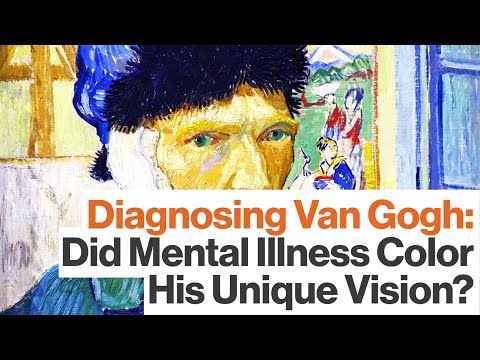
You know Vincent van Gogh, right? The guy with the wild hair and those crazy swirling paintings? Well, there’s a lot more to his story than meets the eye.
He didn’t just paint pretty pictures. He struggled with some serious stuff, like emotional ups and downs that made life really tough. Imagine feeling so intensely that it’s like riding a rollercoaster every day.
That’s where Borderline Personality Disorder (BPD) comes in. It’s intense, confusing, and often misunderstood. And it’s something Vincent battled throughout his life while creating masterpieces that still blow our minds today.
His art was both his refuge and his torment. It reflected his struggles, you know? So let’s take a closer look at how this genius navigated his inner chaos through those vibrant brushstrokes.
Exploring Theo van Gogh’s Mental Health Journey: Insights into His Illness and Its Impact
Sure, let’s chat about Theo van Gogh and his mental health journey, especially in regards to how it intertwined with his brother Vincent’s life. It’s pretty fascinating—and not always simple.
Theo van Gogh was Vincent’s younger brother and, honestly, one of his biggest supporters. While we often talk about Vincent’s struggles—like that famous ear incident—Theo had his own battles with mental health. He showed signs of anxiety and depression throughout his life.
What’s wild is how closely these siblings were connected. They wrote letters back and forth all the time, sharing their thoughts and feelings. In a lot of those letters, you can see Theo trying to understand Vincent’s emotional turmoil and the ups and downs of being an artist. It’s kind of heart-wrenching when you think about it.
So, what do we know about Borderline Personality Disorder (BPD), which some folks suggest Vincent might have struggled with? Well, it involves intense emotions, unstable relationships, and a pretty shaky self-image. When you read Vincent’s letters or look at his art, you can really see those elements coming through—the passion in his brush strokes sometimes feels like a physical manifestation of inner turmoil.
Now back to Theo: he constantly worried about Vincent’s well-being. The stress must’ve taken a toll on him too. Imagine feeling like you are carrying the weight of your brother’s world on your shoulders while also trying to figure out your own life.
Support for Artist
Theo wasn’t just an emotional crutch for Vincent; he was also financially supportive. He worked as an art dealer—even when business got tough. He believed in Vincent’s talent even when others didn’t seem to notice it at all! Their bond really highlights how essential support systems are for mental health.
There were moments when Theo seemed overwhelmed by the stress related to Vincent’s condition. You can feel that sense of urgency in some letters where he talks about finding help or wishing for peace for his brother—and himself too! Seriously, it makes you realize that mental health journeys often involve more than just one individual; they affect everyone around them.
The Artistic Journey
Vincent channeled lots of his emotional struggles into art—it became part of him! His paintings tell stories filled with color and emotion that seem almost chaotic yet beautiful. Through painting, he sought to express what was swirling inside him—a way of coping, I guess.
On the flip side, while he found solace in creating art, it didn’t always translate into happiness or stability in other areas of life. That contradiction can really hit home for anyone who has wrestled with their mental health alongside creative pursuits.
But here’s something important: Theo was there through so much—including some really hard times towards the end when things got even darker for both brothers. That devastating moment following Vincent’s death left Theo heartbroken—he felt the loss deeply and it impacted him profoundly.
In essence, their relationship illustrates how intertwined our lives can be with those we love and supports the idea that mental health is complex—not just personal but communal too! Like I said before: support systems matter big time!
So yeah—Theo van Gogh’s journey offers us deep insights into how familial relationships play such a crucial role in grappling with mental illness. And it’s super important to remember that behind every artist is a story filled with struggle as well as triumphs over inner demons—often shared with loved ones who are navigating their own paths alongside them!
Exploring Van Gogh’s Psychosis: Insights into the Mind of a Master Painter
Van Gogh is one of those artists that everyone admires, right? But behind those brilliant brush strokes was a mind that was anything but stable. His struggles with mental health are pretty well-documented, and they offer a deep look into how his psychosis intertwined with his artistry. The thing is, Van Gogh experienced intense emotional swings that could be linked to Borderline Personality Disorder (BPD).
He often dealt with feelings of emptiness and fear of abandonment. Imagine being an artist who feels so deeply about everything—color, life, nature—yet can’t find peace within yourself. It’s like painting the most beautiful landscape while feeling like you’re standing in the storm. You get me?
One of the hallmarks of BPD is this struggle with intense emotions and unstable relationships. Van Gogh had tumultuous relationships with friends and family, especially his brother Theo. They had this incredibly close bond; it was like Theo was his lifeline. But there were times when he would push people away, spiraling into isolation.
Now let’s talk about psychosis. Van Gogh had episodes where he saw and heard things that weren’t there—hallucinations or delusions. This could’ve been linked to his mental health challenges or even the absinthe he consumed—a drink known for its insane effects back in the day! You see, during these intense periods, his art would take on this electric energy.
Take «The Starry Night,» for example. The swirling colors and dramatic skies don’t just represent a night scene; they reflect a mind in turmoil and brilliance at the same time! It’s as if the chaotic thoughts swirling in his head found release through those vibrant swirls of paint.
Art therapycould’ve played a role in managing some of that distress if he had access to it during the 19th century. Using creativity as an outlet for emotions is powerful. That’s something we see today in various therapeutic approaches—combining art with mental health treatment helps so many people express their feelings when words just won’t cut it.
But let’s not forget about loneliness! When you constantly feel you’re on a different wavelength than others, it can lead to severe depression—another layer of Van Gogh’s struggles. There’s this famous quote he said: “I put my heart and my soul into my work, and have lost my mind in the process.” It sums up how intertwined his art was with every bit of pain he felt.
Even though he faced these incredible challenges—incredible being somewhat ironic here—it’s what made him a genius artist too. The rawness of his emotions brought texture to his work that resonates deeply even today.
In short, understanding Van Gogh through the lens of psychosis and BPD helps us appreciate not just who he was as an artist but also as a person struggling against overwhelming tides of emotion. It reminds us that creativity can emerge from chaos but also highlights the importance of compassion in understanding someone’s experiences stacked against their creative genius.
So next time you look at one of his masterpieces, think about all that emotion wrapped up within those strokes—the joy mingled with pain—and how it’s okay for art to be both beautiful and heartbreaking at once!
Exploring Van Gogh’s Asylum Paintings: A Dive into Mental Health and Artistic Expression
Van Gogh’s time in the asylum is really something special when we talk about mental health and art. It’s like his brush strokes captured not just the world around him but also the emotional ups and downs he felt inside. So, what’s the deal with his asylum paintings, especially when you consider he might have struggled with Borderline Personality Disorder (BPD)? Well, let’s unpack that a bit.
First off, Van Gogh spent a year at the Saint-Paul-de-Mausole asylum in Saint-Rémy-de-Provence after a series of mental health crises. His paintings from this period aren’t just pretty pictures; they’re like windows into his soul. The thing is, people often think of artists as these tortured geniuses, but Van Gogh really took it to another level.
One major aspect of BPD is emotional instability. You know how one moment you can feel on top of the world and then suddenly everything feels heavy? That was his life too. His paintings reflect this intense emotional landscape. You can see it in works like *Starry Night*, where swirling skies almost echo his turbulent feelings.
Artistic expression served as a coping mechanism for Van Gogh. When words failed him, colors spoke volumes. Each brush stroke seems to tell a story of pain and beauty intertwined. It’s almost like you can feel his anxiety through the vibrant yellows and deep blues—there’s chaos but also something peaceful at times.
But here’s something wild: despite all that turmoil, Van Gogh created over 150 paintings in just one year at the asylum! That’s nuts! It shows just how art was more than a passion for him; it was survival. He would often paint scenes from outside his window—the cypress trees, wheat fields—all infused with raw emotion.
Another thing to think about is how isolation affected him. Artists often draw from their experiences, right? Well, being alone can lead to these intense reflections about life and identity—something that BPD individuals struggle with too. In several pieces, you’ll notice themes of solitude mixed with bursts of color and light—like hope pushing through despair.
You follow me? His artworks are masterpieces not only because they’re visually striking but because they challenge us to consider mental health in different ways. They bring forth questions about our own experiences: How do we cope? What does madness look like? Are there coping strategies we can learn from these creations?
And let’s not forget how society viewed mental illness back then—it was stigmatized big time! Vincent’s experience pushed boundaries for both art and understanding mental health struggles. His journey reminds us that it’s okay to feel deeply; sometimes you find beauty even in pain.
So yeah, Van Gogh’s asylum period paints a complex picture—not just of an artist battling BPD but also someone using their gifts to confront their demons head-on. The next time you look at one of those stunning canvases, remember there’s much more beneath the surface than meets the eye—it reflects an entire world filled with complexity and human emotion.
Vincent Van Gogh, man, what a complex guy. His art is just something else—like, you can feel all that raw emotion pouring out of the canvas. But behind those vibrant swirls and strokes, there was a pretty wild inner world. People often talk about him having Borderline Personality Disorder (BPD), which makes sense when you look at his life and how he felt.
You know how BPD can throw your emotions around like they’re in a blender? That was Van Gogh for sure. Intense highs and crushing lows defined his days. One minute he’d be bursting with creativity, like when he painted «Starry Night,» capturing that whirlwind of feeling. Then the next minute, he could spiral into these dark pits of despair. It’s heartbreaking to think about.
I remember reading about the time he cut off part of his ear during an episode—a dramatic act of pain that kind of encapsulates his struggles. Can you imagine feeling so overwhelmed that you’d do something like that? It’s a stark reminder that mental health issues are real and messy.
But let’s talk about his art because that’s where the magic is. Even during those turbulent times, or maybe because of them, he created masterpieces! His work is filled with emotion—like he’s pouring out everything he couldn’t quite express in words. The way he used color and brush strokes brings such life to the canvas; it’s almost as if you can hear the chaos he felt inside.
It’s tough to grapple with someone so gifted yet so tortured—a reminder that creativity often comes hand-in-hand with struggle. I think he’s an example for many; despite all his hardships, Van Gogh produced work that resonates decades later. So maybe there’s something powerful about embracing our challenges? Art can be this incredible outlet for expression when words just won’t cut it.
When thinking about him now, I feel this mix of admiration and sorrow. There was beauty born from pain, which is really what makes human experiences so relatable—even if they’re hard to face sometimes. Van Gogh’s journey shows us how sometimes our darkest moments can lead to our brightest creations. And isn’t that something worth pondering?