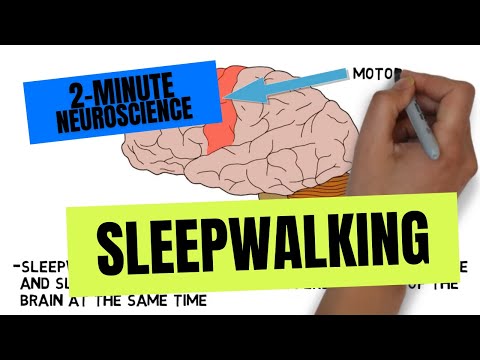
Have you ever woken up in a weird place and thought, “How did I get here?” Imagine that happening, but with a little extra chaos. Yeah, that’s sleepwalking for you.
But what if it gets violent? Seriously, it’s not just about wandering into the kitchen. Some people end up getting hurt—both themselves and others.
It’s wild to think about the mind doing something totally out of control while your body just moves like a robot. What’s going on in there?!
Let’s take a closer look at the psychological side of violent sleepwalking and how it messes with people’s lives. You might find it more relatable than you’d expect!
Understanding Sleepwalking: Unraveling the Causes of Aggression During Episodes
Sleepwalking, or somnambulism, is more than just wandering around in your pajamas. It’s a fascinating—and sometimes really concerning—sleep disorder where people walk or perform other complex behaviors while they’re still technically asleep. So, let’s dig into the *causes of aggression during these episodes*.
First off, sleepwalking happens during the non-REM stages of sleep. This means that your brain isn’t fully awake. Someone who’s sleepwalking might not even remember what they did when they wake up! It’s similar to being in a dream state but with less awareness.
Now, about the aggression part—this can occur during intense episodes of sleepwalking. Picture this: you’re deep in slumber and suddenly someone tries to grab you or even just shake you awake. It’s totally normal to react aggressively in that moment because, well, you were in a totally different mental space. Basically, it’s like waking a bear from hibernation; you’re going to get confused and defensive.
Here are a few reasons why aggression can pop up during these episodes:
- Genetic Factors: If someone in your family has experienced sleepwalking or related conditions like night terrors, there’s a chance you might too.
- Stress and Anxiety: High-stress levels can mess with your sleep patterns and might increase the likelihood of aggressive behavior when sleepwalking.
- Lack of Sleep: Sleep deprivation is another big player here. When you’re super tired, your brain doesn’t process things as clearly.
- Certain Medications: Some medications can interfere with your sleep cycle. If you’re on something that alters your REM stages, it might lead to more dramatic episodes.
Let’s say someone has had an awful day at work filled with stress; they’re probably not just going to drift off smoothly into their dreams at night. If they happen to *sleepwalk* that night, they could be more prone to act aggressively due to all that pent-up frustration mixing with their half-asleep state.
Another interesting point? While most sleepwalkers aren’t violent—even if they may act out—they could unintentionally hurt themselves or others if startled or restrained while walking around. I mean, imagine trying to stop someone who’s clearly not fully present; it could turn into a bit of chaos!
Treatment options vary depending on how severe these episodes are. Lifestyle changes like improving sleep hygiene can help reduce their frequency. Sometimes therapy is involved too; cognitive-behavioral strategies can address any underlying anxiety leading to these nocturnal adventures.
So next time you hear about someone who sleepwalks—especially if they’ve shown some aggression—remember there might be more going on beneath the surface than just drifting through dreamland. Understanding all this helps us approach those experiences with empathy instead of judgment because sleeping soundly isn’t as straightforward as we think!
Do Sleepwalkers Open Their Eyes? Exploring the Fascinating Science Behind Sleepwalking
Sleepwalking, or somnambulism, is one of those strange quirks of our brain that really gets people talking. So, do sleepwalkers actually open their eyes? Well, yes and no. Here’s the scoop on what happens when someone sleepwalks.
When a person is sleepwalking, they might appear to be awake because they can navigate around their environment. However, a lot of them don’t genuinely see what’s going on around them. Their eyes may be open, but the brain is still in a sleep state—kind of like when you have a dream but think it’s real, you know?
You’ve probably heard stories about sleepwalkers doing wild things—like walking down the street or even cooking dinner! They can move about as if they’re fully awake. Yet, many will have little to no recollection of what happened afterward. Imagine waking up to find your kitchen in disarray but having zero memory of making that midnight snack!
There are some key things to consider regarding the psychological implications of violent sleepwalking. For some people, sleepwalking can lead to dangerous situations—not just for themselves but others too. Picture this: someone walks out onto the balcony while still dreaming and ends up in a risky spot. It’s scary stuff!
And here’s where it gets really interesting: Sleepwalkers might perform actions that are out of character for them—or even violent behaviors! Research shows that these behaviors often stem from underlying stress or anxiety. Stress can keep you up at night or lead to more intense dreams, which could trigger these episodes.
Here are some important points:
- Awareness: Sleepwalkers aren’t truly aware of their actions.
- Dangers: Violent actions during sleepwalking can pose risks.
- Anxiety Connection: Stress and anxiety play roles in these episodes.
So how do we deal with this? Reducing stress levels through practices like meditation or therapy can help minimize incidents for those who sleepwalk violently. Also, ensuring a safe environment is super important—like locking doors and windows to prevent accidents.
In the end, whether someone opens their eyes or not while they’re wandering around in a dream-like state isn’t as simple as it seems! The mix of consciousness and sleep creates this strange gray area where behavior can shift dramatically without warning. It’s like your brain decides it wants an adventure while your body tags along unawares!
Understanding Sleepwalking: Is It Linked to REM Sleep?
Sleepwalking can be pretty wild, right? You hear stories about people doing crazy stuff in their sleep, and it makes you wonder what’s really going on. The whole thing raises some big questions—especially about how it’s related to REM sleep. So, let’s break it down a bit.
Sleepwalking usually happens during non-REM sleep, which is kinda interesting because REM (Rapid Eye Movement) is where we do most of our dreaming. When you’re sleepwalking, you’re not fully awake or fully asleep, which is why you might find yourself wandering around the house without even realizing it. Imagine waking up in your kitchen in the middle of the night with no clue how you got there—that’s a classic sleepwalking moment!
Now, regarding the connection between sleepwalking and REM sleep, it’s not as straightforward as you might think. Sleepwalking occurs during slow-wave sleep, which is part of the non-REM cycle. This stage is more about deep rest rather than vivid dreams. In fact, those wild dreams happen later when we hit REM sleep.
Violent incidents during sleepwalking can really raise alarms—like someone being found outside their house while swinging a baseball bat! This definitely happens, although it’s pretty rare. Most people who experience this aren’t at risk for hurting themselves or others; however, it’s important to keep situations safe. If someone starts acting out in their dreams during REM sleep—like kicking or punching—it’s called REM Sleep Behavior Disorder (RBD). That’s when they actually act out dream content. So yeah, while they both involve some weird nighttime behaviors, there’s a difference.
And let’s not forget that stress and anxiety can play big roles in both of these conditions. If someone is dealing with a lot on their plate or facing emotional issues, they might see an increase in disruptive sleep patterns including somnambulism (that’s just another name for sleepwalking).
So what do you do if someone close to you is struggling with this? First off, keeping them safe is key: remove sharp objects and make sure there are no stairs to tumble down. Plus, encouraging them to visit a doctor if things get serious can help clear up any underlying issues.
In short: while **sleepwalking** and **REM** might seem linked because they both involve unusual behaviors at night, they’re actually quite different beasts altogether! As always with these things—talking about experiences helps clear up confusion and can lead to better strategies for managing nighttime adventures!
You know, sleepwalking is one of those things that sounds kind of funny at first. Like, if you’ve ever seen someone wandering around in their pajamas, looking lost and confused, it can be a little comedic, right? But then there’s the darker side to it. Violent sleepwalking can really shake things up—not just for the person who’s sleepwalking, but for everyone around them.
Imagine this: your friend Bob is a chill guy. One night, he starts sleepwalking and ends up freaking out because he thinks there’s a monster in his room. He kicks over furniture and narrowly avoids breaking stuff as he swings his arms around. You’d be laughing if you weren’t worried! It’s a bit chaotic when you think about how out of control someone can feel—even when they’re asleep.
So here’s the thing: violent sleepwalking isn’t just about the physical actions. There are some serious psychological implications lurking beneath the surface. When someone has violent episodes during sleepwalking, it might signal deeper issues at play, like unresolved stress or anxiety. So while Bob may seem like he’s just having a wild night, it could mean something more intense is brewing inside him during his waking hours.
Honestly, it makes you wonder about what our brains are sorting through while we’re off in dreamland. Research shows that people who experience these episodes might deal with higher levels of sleep deprivation or maybe even have underlying conditions like PTSD or depression—stuff that puts their mind in overdrive even when they should be resting.
And the big question looms: how do we handle this? If you find yourself dealing with someone who sleeps walks violently—or maybe it’s you—this isn’t something to brush off lightly. Encouraging them to chat with a therapist or even a doctor could really help untangle whatever’s going on mentally.
So yeah, it’s all intertwined—you have physical actions that seem humorous on the surface but mask serious emotional turmoil underneath—and honestly? That connection fascinates me! It reminds me that even our nightly escapades are tied to our well-being during the day. There’s usually more to every story than we see at first glance – especially when it comes to mental health!