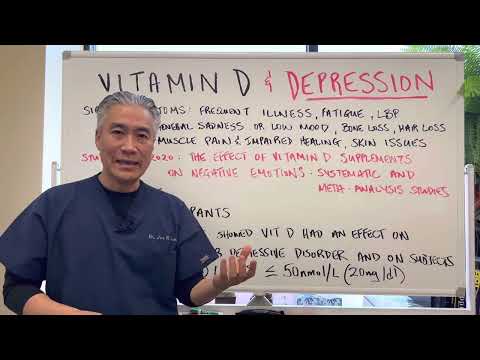
Hey, have you been feeling a bit off lately? Like one moment you’re fine, and the next you’re in a funk? Yeah, mood swings can be a real bummer.
You know what’s interesting? There’s this little vitamin called Vitamin D. It’s not just for your bones—it could actually play a part in how we feel day to day.
Imagine waking up with more energy and a lighter mood. Sounds nice, right? Well, stick around. We’re diving into how this sunshine vitamin might help keep those mood swings in check.
Exploring the Connection: Can Lexapro Lead to Vitamin D Deficiency?
So, you’ve been hearing some chatter about Lexapro and vitamin D deficiency, huh? Let’s break that down a little.
First off, Lexapro is an antidepressant in the SSRI (selective serotonin reuptake inhibitor) family. It’s used to help regulate mood and anxiety. People often take it to feel less anxious or depressed. But, like with any medication, there can be side effects or interactions that impact your body in unexpected ways.
Now, let’s talk about vitamin D. It’s pretty essential for not just your bones but also your mental health. Think of it as a mood stabilizer that helps keep those mood swings in check. Low levels of vitamin D have been linked to feelings of sadness or anxiety.
Here’s where things get a bit tricky! Some studies have hinted that there might be a connection between taking Lexapro and changes in how your body processes vitamin D. The idea is still under investigation, but here are some thoughts on why it matters:
- Absorption Issues: When you’re on SSRIs like Lexapro, your body might not absorb vitamins and minerals as efficiently.
- Mood Effects: If your vitamin D levels drop while taking Lexapro, you could feel more down than usual.
- Sunlight Exposure: Sometimes people on these meds don’t go outside as much because they feel low energy or anxious. Less sunlight means less natural vitamin D!
Just picture this: Imagine you’re feeling low because it’s winter, the sun isn’t shining much, and now you’re also on Lexapro feeling stuck in a rut. That could lead to lower vitamin D levels without you even realizing it.
But hey, don’t freak out just yet! Having low vitamin D while on Lexapro doesn’t happen to everyone—it’s more of a potential concern than a guarantee. Make sure to keep an eye on how you’re feeling overall.
Checking with your doctor can help sort things out. They might suggest getting a blood test for vitamin D levels if they think it’s affecting your mood or health overall.
In short? While there may be some connection between Lexapro and potential vitamin D deficiency, it’s crucial to look at it all together—mood swings, sunlight exposure, and overall well-being matter too! Always keep communication open with your healthcare provider about any concerns regarding medications and nutritional health.
Exploring the Link Between Vitamin D Deficiency and Mood Swings: What You Need to Know
Vitamin D is essential for overall health. It helps our bodies absorb calcium, which keeps our bones strong. But what’s often overlooked is its impact on our mental health. Research suggests that low levels of vitamin D might be linked to mood disorders like depression and anxiety. That’s pretty wild when you think about it, right?
So, how does this work? The brain has vitamin D receptors. This means the brain needs vitamin D to function properly. When you’re low on it, things can start to go haywire emotionally. Imagine your brain as a car; without enough fuel (or in this case, vitamin D), it just doesn’t run smoothly.
Many people don’t realize they’re deficient in vitamin D until they start feeling off. It’s not just about feeling sad or anxious; some folks report irritability and mood swings too. Picture this: You’re going about your day when suddenly little things start bothering you more than usual—maybe your co-worker’s chewing is driving you nuts or someone cutting you off in traffic sends you over the edge. Yeah, not fun!
Here are a few key points about the connection between vitamin D deficiency and mood swings:
- Sunlight exposure: Your body produces vitamin D when exposed to sunlight. If you live in a place with long winters or don’t get outside much, your levels might drop.
- Diet matters: Some foods can help boost your vitamin D levels—think fatty fish like salmon or fortified dairy products. But honestly, getting enough through diet alone can be tricky.
- Mood regulation: Studies show that adequate levels of vitamin D may help regulate serotonin—a neurotransmitter that plays a big role in mood regulation.
If you’re feeling low or moody and suspect it could be linked to vitamin D deficiency, getting checked out is important. A simple blood test can tell you if you’re lacking this crucial nutrient. If that’s the case, there are ways to boost those levels—like supplements or trying to soak up some sun safely (with sunscreen!).
But look, don’t just jump into taking supplements without chatting with a healthcare provider first! They can guide you on what makes sense based on your unique situation.
In the end, keeping an eye on your vitamin D levels could be one piece of the puzzle when managing mood swings and mental health issues. It’s all connected! So take care of yourself—both mind and body!
Discover the Vitamin That Influences Mood Swings: A Guide to Emotional Well-Being
So, let’s talk about **Vitamin D** and how it plays a role in your mood. You may not realize it, but this vitamin is super important for more than just keeping your bones strong. It’s also linked to how we feel emotionally.
First off, our body makes Vitamin D when we expose our skin to sunlight. Pretty cool, right? But sometimes, especially in winter or if you’re stuck inside a lot, getting enough sunlight can be tricky. That’s where problems can start because low levels of Vitamin D have been connected with mood swings and even conditions like depression.
Now, what happens if you don’t get enough? Well, like I mentioned earlier, being low on this vitamin can lead to feelings of sadness or irritability. You might find yourself feeling off-balance emotionally for seemingly no reason at all. It’s frustrating—seriously! And it happens more often than you’d think.
Research has shown that people who have adequate levels of Vitamin D tend to report better overall mental health. But those who are deficient might experience more frequent mood swings or even symptoms consistent with anxiety disorders.
- Boosting Mood: Some studies suggest that taking Vitamin D supplements can help lift your spirits if you’re feeling down.
- Seasonal Affective Disorder (SAD): This condition can hit hard during the winter months when sunlight is less available. Researchers think that boosting Vitamin D could help ease some of those SAD symptoms.
- Link to Serotonin: Vitamin D plays a role in the production of serotonin—often dubbed the «feel-good» hormone—which is crucial for maintaining a stable mood.
Now, maybe you’ve heard someone say they felt better after getting out in the sun for a bit? Well, turns out there’s some science behind that! Sunshine not only gives you warmth but also helps increase those Vitamin D levels.
But here’s the thing: just cranking up your sun exposure isn’t always practical or safe! So, aside from soaking up the rays (with sunscreen on!), you can also consider dietary sources like fatty fish—think salmon or mackerel—or fortified foods like cereals and milk.
If you’re worried about your Vitamin D levels affecting your mood swings but aren’t sure about supplements or diet changes? Chatting with a healthcare professional could help clear things up for you.
Look, maintaining emotional well-being is so important! The connection between **Vitamin D** and mood isn’t something to overlook. Sometimes small adjustments in our lifestyle can lead to big changes in how we feel day-to-day—emotionally speaking.
And remember: If you ever feel persistently down or anxious beyond what seems normal for you? Don’t hesitate to reach out for help; there are always people willing to listen and support you through rough patches!
You know, it’s kind of wild how something as simple as vitamin D can really have an effect on our mood and mental health. I mean, like, when you think about it, a lot of us don’t get enough sun. Seriously! Especially during the winter months or if we’re stuck indoors too much—it’s so easy to miss out on that sweet sunlight.
I remember a friend of mine, Sam. He used to struggle with these intense mood swings. One minute he’d be upbeat, and the next he’d feel totally down in the dumps for days. It was hard to watch him go through that rollercoaster. Then one day, we were chatting about it over coffee, and he mentioned how he hadn’t been outside much lately. That got me thinking about vitamin D.
So, I did a little digging and discovered that low levels of vitamin D could actually be linked to feelings of sadness or anxiety. Like, your body just isn’t getting what it needs to keep your mood stable! It makes sense if you think about how our bodies are connected; you’re not just a brain sitting on its own but a total package working together.
And here’s another thing—vitamin D helps regulate things like calcium in your body and even plays a role in brain function. That’s some serious multitasking! When you’re lacking it, it could mess with your energy levels too—not cool when you just want to feel good.
Now don’t get me wrong; I’m not saying popping vitamin D pills is going to magically fix everything. People are complex beings with all sorts of stuff going on in their heads. But being mindful of our vitamin levels can definitely be a step worth taking.
So now when the clouds roll in or I’m feeling kind of blah for no reason, I think back to Sam and all those days spent inside. And maybe I’ll sit by the window for a bit or try to catch some rays whenever I can—you know? A little sunshine does wonders for both the body and soul!