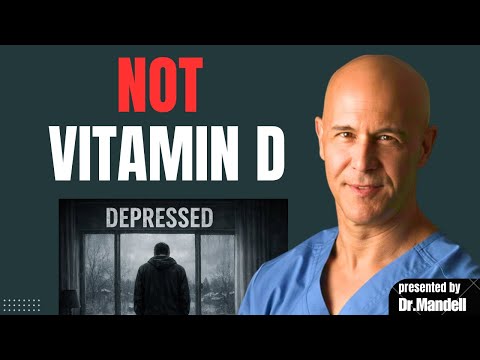
So, winter is upon us. The days are short, it’s cold outside, and let’s be real—sometimes it feels like the sun just packed its bags and went on a permanent vacation. You know that feeling of gloom settling in? Yeah, that’s a vibe for many.
But here’s the thing: there might be something you can do about it. Yup! We’re talking about Vitamin D. It’s not just for strong bones; it might actually help brighten your mood when everything feels kind of gray and blah.
Imagine this: you wake up, look out the window at a dreary day, and instead of feeling down, you feel a little spark of energy. Sounds good, right? That’s what we’re gonna explore here—how Vitamin D could be your secret weapon against winter blues. Let’s dig in!
Uncovering the Link: How Vitamin D Impacts Mental Health During Winter Months
Winter can be tough, right? The days get shorter, the sun hides away, and for some, that brings on feelings of sadness or even depression. You might have heard about Seasonal Affective Disorder (SAD). It’s like a seasonal funk that settles in when the light fades. But what if I told you there might be a way to lift that gloom using something as simple as vitamin D?
When we talk about vitamin D, it’s not just a vitamin—it’s actually a hormone our bodies need. Most of us get our dose from sunlight, but during winter months, that sunshine can feel like a distant memory. That’s where the trouble begins. With less exposure to the sun, many people see a dip in their vitamin D levels. And guess what? Low levels of vitamin D are linked to an increased risk of depression.
So, how does this work? Well, here are some key points to consider:
- Serotonin production: Vitamin D helps with serotonin production in the brain. Serotonin is known as the «feel-good» chemical—less sunlight means less serotonin.
- Regulating mood: Proper levels of vitamin D contribute to better mood regulation and emotional well-being.
- Inflammation connection: Low vitamin D can lead to higher inflammation in the body, which has been linked to mood disorders.
Let me share a quick story here: A friend of mine named Sarah always felt down during winter. She noticed she was more irritable and less motivated when it was cold and dark outside. After chatting with her doctor about it, they discovered her vitamin D levels were pretty low. With some dietary changes and supplements—yes, after consulting her healthcare provider—she started feeling more like herself again!
Another aspect to keep in mind is how common low vitamin D is during winter months. If you live in places where sunshine is scarce or spend lots of time indoors (looking at you binge-watchers!), your risk goes up even more.
Now you might be wondering about practical ways to boost your vitamin D levels when those cold months roll around:
- Sun exposure: Try getting outside for even short periods on sunny days.
- Food sources: Incorporate foods rich in vitamin D such as fatty fish (like salmon), egg yolks, and fortified products.
- Supplements: Consider talking to your doc about taking supplements if needed—you know they can help bridge that gap.
In short, keeping an eye on your vitamin D levels during those chilly months could really make a difference for your mental health. While it’s not a magic fix for everyone dealing with winter blues or SAD, ensuring your body gets enough of this essential nutrient might help lighten that heavy weight depression can bring.
So next time winter rolls around and daylight seems elusive, remember: keep shining bright for yourself—even if it’s just through a little extra sunlight or adding some delicious foods into your plate!
Top Vitamins to Boost Mood and Combat Winter Depression
It’s winter, and the days are shorter, darker, and sometimes really dreary. You might feel your mood dipping a bit, and that’s not uncommon. If you’re wondering what you can do about it, let’s talk about some vitamins that might just help brighten your day—specifically focusing on Vitamin D.
Vitamin D is often called the “sunshine vitamin.” The thing is, when the sun takes its long winter nap, many of us don’t get enough of this important nutrient. It helps keep our bones strong and plays a role in supporting our immune system. But here’s the kicker: it also significantly influences our mood.
What happens is when your body doesn’t have enough Vitamin D, it can lead to feelings of sadness or even depression. Studies show that folks with lower levels of Vitamin D often report more depressive symptoms. So if you’re feeling like your spark has dimmed lately, it might be worth checking your Vitamin D levels.
Now let’s look at some options to boost your mood during these chilly months:
- Get Outside: Even if it’s cold, stepping outside in natural light can help your body produce some Vitamin D.
- Supplements: If you can’t get enough sunshine or if you live in a cloudy place (Seattle, anyone?), consider taking Vitamin D supplements after chatting with a healthcare professional.
- Fatty Fish: Eating foods rich in Vitamin D such as salmon or mackerel can also help. They’re tasty too!
- Dairy Products: Milk and yogurt are often fortified with Vitamin D. So enjoying a warm cup of cocoa could lift your spirits while adding some nutrients.
You know how sometimes when you’re cooped up inside for too long, it feels like time stands still? That was me last winter. All my usual activities felt heavier; even getting out of bed felt like running a marathon! When I finally started taking my Vitamin D more seriously—exposing myself to sunlight when I could and paying attention to my diet—I noticed a difference in my energy levels and overall mood.
But hey, it’s not just about Vitamin D! Other vitamins can lend a hand too:
- B Vitamins: These guys help create brain chemicals that affect mood. Foods rich in B vitamins include leafy greens and whole grains.
- Omega-3 Fatty Acids: Found in fish oil supplements or walnuts—they’re good for brain health and may improve mood.
- Magnesium: Foods like nuts or beans provide magnesium which can help with anxiety and various moods swings.
Feeling better isn’t just about one vitamin; it’s about finding balance within your diet. And remember, while vitamins play an important role in mood regulation, they work best alongside other methods—like therapy or regular exercise—to keep you feeling good throughout those long winter months.
So there you have it! A little understanding of vitamins—their roles—and how they might just bring back some cheer during these cold days.
Exploring the Link Between Vitamin D and Depression: Can Supplements Boost Your Mood?
So, we’re diving into something a bit different today – the link between Vitamin D and depression. You know, it’s all tied up in how we feel, especially when the days get shorter and the sky turns gray. Winter can be tough on a lot of us. It’s like, suddenly you feel that deep-down slump and don’t know why.
First off, Vitamin D is often called the “sunshine vitamin.” Why? Because our body gets it from sunshine! When UV rays hit your skin, that’s when Vitamin D starts to be made. But during winter months, if you live somewhere with less sunlight (like many parts of the U.S.), getting enough of it can be tricky. And guess what? Low levels of Vitamin D have been connected to feelings of sadness or even depression.
Now, let’s talk about the science a little bit—without making things too complicated! Some studies found that people who are low in Vitamin D tend to have higher rates of depression. They say about 50% of people with major depressive disorder might be lacking in this vital vitamin. It’s not like low Vitamin D is always the cause of depression, but it might contribute to feeling down or unmotivated.
But here’s where it gets interesting! Some researchers suggest **taking supplements** could help improve mood for those who are deficient. In some cases, people reported feeling better after just a few weeks on Vitamin D supplements! It sounds pretty hopeful, right?
But hold on a sec; it’s not just about popping pills and calling it a day. Not everyone’s going to respond in the same way, so approaching this with caution is key. On top of that:
- Get Checked: Before starting any supplement regime, you should definitely check with your doctor first.
- Balanced Diet: Eating food rich in Vitamin D can also help—think fatty fish or fortified dairy products.
- Add Sunlight: When possible, try catching some rays; even taking a short walk outside can make a difference!
Sometimes talking about your feelings can also help manage seasonal blues. I remember chatting with my friend Sam over coffee once about those winter months. He used to feel super sluggish until he began taking walks and focusing on his diet more—along with trying out some Vitamin D supplements—and hey, he said it really turned things around for him!
In essence—or at least from what we see so far—it seems like there could be **a connection** between Vitamin D levels and how we feel emotionally during those gloomy months. Supplements might offer a boost for some folks—but remember: it’s sort of like icing on the cake if you’re combining them with other healthy habits.
So maybe as winter rolls around next time you can think twice about those sunny days you love and give some thought to how much sunlight you’re missing out on! You never know; embracing those small changes could lead to brighter days ahead!
Winter can be a tough season for lots of people, right? The days are shorter, it gets dark way too early, and sometimes, it feels like the sun just up and left town. Seriously, have you ever felt that slump when winter rolls around? It’s like you wake up and instantly want to crawl back under the covers. This is where Vitamin D comes into play.
You see, Vitamin D isn’t just about bones and teeth. It actually plays a crucial role in mood regulation. When it’s sunny outside, our bodies soak up those rays and produce this essential vitamin naturally. But winter? Well, there’s hardly any sun to bask in. This lack of sunlight can lead to lower levels of Vitamin D—and that might contribute to symptoms of seasonal affective disorder (SAD) or just plain ol’ winter blues.
I remember a winter when I felt especially low—a real struggle to get out of bed. I was irritable and just didn’t have the energy for anything fun. One day, my friend suggested I get tested for my Vitamin D levels after hearing me complain about feeling down all the time. Turns out, they were pretty low! Once I started taking supplements and spent more time outdoors whenever the sun peeked out—even if it was just for a few minutes—it made a difference.
Now don’t get me wrong; supplements aren’t some magic cure-all, but they can help boost your mood along with other lifestyle changes like exercise and eating well. Plus, getting outside for even short walks can really help lift your spirits—sunshine or not!
So yeah, if you’re feeling off this winter season, it might be worth checking in on your Vitamin D levels. It could be one piece of the puzzle in feeling better again amidst all that gray. Just remember: You’re not alone in this—lots of folks feel that dip during colder months!