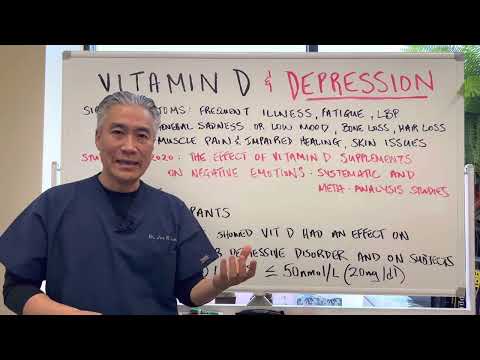
Hey! So, I gotta ask—have you ever felt kinda… out of it? You know, like your brain just isn’t firing on all cylinders? Yeah, that can be frustrating.
Well, turns out vitamin D might play a bigger role in that than you think. Seriously. It’s not just for strong bones! It’s connected to your mood too.
Imagine waking up and feeling a little brighter, a little sharper. Sounds nice, right? Let’s chat about how vitamin D deficiency could be linked to that dreaded brain fog and those pesky mood swings. Trust me; it’s worth knowing about!
Effective Strategies for Treating Vitamin D Deficiency in Children: A Comprehensive Guide
I’m here to talk about the connection between vitamin D deficiency, brain fog, and mood in kids, so let’s break it down.
First off, vitamin D is super important for overall health. It helps with bone health, immune function, and even your mood. If a child doesn’t get enough of it, you might see some not-so-great effects. One common issue is brain fog—basically that hazy feeling where it’s tough to concentrate or think straight. This can really affect school performance and friendships.
So how do you deal with vitamin D deficiency in kids? Here are a few strategies that might help:
- Sunshine: The easiest and most natural source of vitamin D is sunlight. When the sun hits your skin, it produces this vital vitamin. Aim for about 15-30 minutes a day outside if possible—just make sure to protect them from burning too much.
- Diet: Incorporating foods rich in vitamin D can seriously boost levels. Fatty fish like salmon or mackerel are great options. Fortified foods like cereals or milk also help out.
- Supplements: Sometimes sunshine and diet aren’t enough. Vitamin D supplements can be a good option when levels are low. It’s best to talk to a doctor first—make sure to get the right dosage for your child.
Now let’s get into why this matters so much. Kids who don’t get enough vitamin D may feel more tired or irritable, which can affect their social interactions and learning abilities. Imagine a child who usually loves playing with friends suddenly being moody or having trouble focusing in class—that’s frustrating!
Also, brain fog isn’t just annoying; it can lead to long-term issues if left untreated. Kids need clear thinking for everything from schoolwork to sports.
So when you notice signs of deficiency—like those mood swings or trouble concentrating—I’d say definitely look into these strategies! Getting their levels checked should be the first step if you’re worried they’re not getting enough.
In essence, keeping an eye on your child’s vitamin D levels could mean fewer worries about emotional ups and downs. And hey, making little changes in their daily routine could lead to big improvements in how they feel overall!
Discover the 5 Warning Signs of Vitamin D Deficiency You Shouldn’t Ignore
Vitamin D is a big deal when it comes to your overall health, especially for those brain functions and mood vibes. If you’re feeling like you’re walking around in a fog or your mood has tanked, it might be worth looking into your vitamin D levels. It’s surprising how something as simple as a vitamin can play a crucial role in how you feel mentally.
So, let’s break this down. Here are some key signs of vitamin D deficiency that you definitely don’t want to brush off:
- Fatigue: Ever feel like you’ve just rolled out of bed but could sleep for the next week? That lethargy might be linked to low vitamin D. You know that sleepy feeling you get after not enough sun? Yeah, that’s real.
- Brain Fog: If thoughts seem cloudy or your memory feels fuzzy, it’s not just age creeping in. Low vitamin D can seriously mess with cognitive function.
- Mood Changes: You know those days when everything feels gray? It might not just be the weather. Vitamin D helps with serotonin production, which is crucial for keeping those mood swings in check.
- Muscle Weakness: Are simple tasks suddenly feeling like lifting weights? Weakness or discomfort in your muscles can sometimes signal that your body isn’t getting enough of this essential vitamin.
- Frequent Illness: If colds and flu seem to chase you around more than usual, it could be due to a lack of vitamin D. This nutrient plays a role in keeping your immune system strong.
Now, think about this: back when I was working crazy hours and barely seeing the sun, I started feeling exhausted and moody without any real reason. It wasn’t until I got tested that I realized my vitamin D levels were way too low. After getting some sunlight and maybe taking some supplements (with my doc’s approval), it was like the clouds cleared up.
Look, if you’re noticing any of these signs, it’s worth chatting with your healthcare provider. They can test your levels and help figure out the best way to boost them back up. Plus, don’t forget about good old sunshine! A little bit each day can really help lift those spirits—and clear away that mental haze too.
Exploring the Link Between Vitamin D Deficiency and Low Mood: How Sunshine Affects Mental Health
You know how sometimes you just feel a bit off, like you’re in a funk and you can’t quite shake it? Well, for many people, that low mood might be linked to something as simple as not getting enough sunshine. Yup, we’re talking about Vitamin D deficiency.
Vitamin D is super important for your body, but did you know it also plays a big role in mood regulation? Basically, when your body doesn’t get enough of it, it can mess with your brain chemistry.
Why is Vitamin D so crucial?
Your brain needs certain nutrients to function properly. Vitamin D helps in the production of serotonin, which is basically your brain’s happy chemical. Low levels of serotonin are often associated with feelings of sadness or depression. So when you’re short on Vitamin D, well, your mood can take a hit.
How does this deficiency happen?
You might wonder how someone ends up deficient in Vitamin D. A lot of us don’t spend enough time outside soaking up those rays! If you live in colder climates where sunlight is limited during winter months or if you have a lifestyle that keeps you indoors most of the time—boom! You could be missing out.
Plus, some people just don’t absorb vitamin D well due to various health conditions or even age. This can lead to a chain reaction where mood dips lower and lower.
Can sunshine really help?
Totally! When sunlight hits your skin, it helps produce Vitamin D naturally. Just think about that warm feeling on your face—the sunshine literally helps lift your spirits up! But here’s the kicker: even a little exposure can make a difference—like 10 to 30 minutes several times a week.
So what’re some signs that might hint at low vitamin D levels?
This isn’t just wishful thinking; there are studies showing a connection between Vitamin D levels and mood disorders like depression. In fact, some researchers suggest that taking Vitamin D supplements could be beneficial for those struggling with their mental health.
What should you do if you suspect deficiency?
If you’re feeling down and suspect it’s due to low vitamin D levels (or anything else), it’s definitely worth talking to someone about it—a healthcare provider can do a simple blood test to check your levels.
They might suggest dietary changes too: think fatty fish like salmon or fortified foods that help boost those levels right up!
In summary, consider giving yourself permission to enjoy the sunshine—it’s not just good for your bones but may also brighten up that mood of yours too! You never know—the next time you’re feeling off, maybe all you need is a little bit of sun on your skin. Just remember: balance is key!
You know, it’s easy to overlook the little things that can really shake up your well-being. Take vitamin D, for instance. We often think of it as just something you get from sunlight or supplements, right? But here’s the kicker: a lack of it can mess with your mood and even bring on that pesky brain fog.
I remember chatting with a friend who had been feeling really off—tired all the time, struggling to focus, and just generally blah. After some back and forth about what was going on in life (you know, stress, work stuff), we decided to dig a little deeper. Turns out, she’d pretty much been living indoors during winter and hadn’t realized how low her vitamin D levels had become. Once she started supplementing and spending more time outside, it was like someone flipped a switch for her. Seriously! She felt more energized and that fog began to lift.
So what’s going on here? Vitamin D plays a crucial role in brain health. It helps produce neurotransmitters like serotonin—the happy chemical—and also impacts other brain functions that are super important for clarity and focus. If you’re low on vitamin D, you might find yourself feeling moody or mentally sluggish because those processes aren’t firing on all cylinders.
It’s wild how interconnected our bodies are! A sunny moment can brighten your mood just as much as those few extra minutes curled up with your favorite book on a rainy day. If you’re feeling off lately—kind of like you’re walking through mud instead of gliding on ice—maybe consider checking your vitamin D levels? It could be one piece of the puzzle you didn’t even think about.
Just remember: life is all about balance when it comes to our health. A little sun now and then is great for not only your physical health but also your emotional landscape. Wouldn’t hurt to soak up some rays—or at least grab some vitamin D-rich foods if sunshine is MIA!