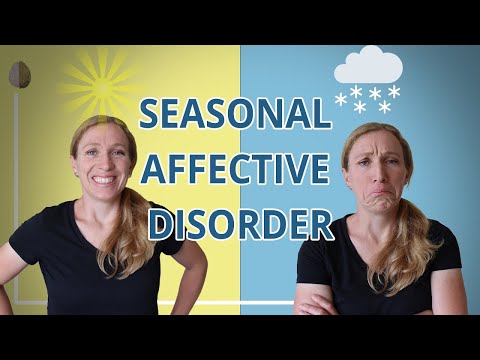
You know that feeling when winter rolls in, and everything feels a bit… gray? Like, seriously, even the sun seems to be taking a vacation.
Well, here’s the thing: some people feel more than just a little down during those chilly months. For some, it’s like seasonal depression comes knocking on their door.
But what if I told you that something as simple as Vitamin D3 could be part of the solution? Yeah, sounds wild, right?
Let’s chat about how this sunshine vitamin might just help lift your spirits when the days get darker.
Choosing the Right Vitamin D for Alleviating Seasonal Depression: A Comprehensive Guide
When the days get shorter and the weather turns gray, some people might notice their mood dropping. This can sometimes lead to a case of the winter blues, or seasonal depression. Now, you might have heard that Vitamin D could be a helpful ally in fighting this off. Let’s chat about that.
First off, Vitamin D is crucial for several bodily functions. It helps with bone health, immune function, and even mood regulation. You know how when the sun shines, it feels like an instant mood booster? That’s because your body makes Vitamin D when exposed to sunlight. But in winter months—or for folks stuck indoors—getting enough of this vitamin can be tough.
So why specifically Vitamin D3? Well, Vitamin D comes in two forms: D2 (ergocalciferol) and D3 (cholecalciferol). Research shows that D3 is more effective at raising blood levels of Vitamin D than D2. Basically, if you want to boost your levels quickly and effectively during those gloomy months, D3 is the way to go.
Now let’s break down how you can get your hands on it:
- Supplements: This is probably the easiest way to get your dose when you’re not soaking up the sun.
- Food Sources: Fatty fish like salmon or mackerel are great options, plus fortified foods like milk or cereal.
- Sun Exposure: If it’s possible—and safe—spend some time outdoors during sunny days; even a little bit can help.
How much do you need? Well, recommendations vary quite a bit but generally fall between 600 to 800 IU (International Units) for adults. If you’re dealing with seasonal depression symptoms though, some experts suggest higher doses might be beneficial—sometimes up to 2,000 IU—but always best to check with a healthcare provider before going all in.
It’s also worth mentioning that while taking Vitamin D might help lift your spirits somewhat during dark months—it’s not a magic pill! If you’re feeling seriously low for an extended period or think you might have seasonal affective disorder (SAD), chatting with a therapist or doctor can really make a difference.
So yeah, vitamin supplementation can play its part in managing seasonal depression symptoms alongside other treatments like therapy or sunlight therapy (which often involves using special lamps designed for SAD). Just keep in mind that it’s all about finding what works best for you personally.
In short: if winter has got you feeling down and less sparkly than usual, consider adding some Vitamin D3 into your routine! It might just give you that extra little lift once those cold winds start blowing.
Understanding the Role of Vitamin D and D3 in Alleviating Seasonal Depression
Okay, so let’s talk about the whole Vitamin D and seasonal depression thing. If you’ve ever felt a bit of the winter blues, you’re not alone. Many people feel a dip in their mood when the days get shorter and the sunlight is less frequent. This is often tied to what’s known as Seasonal Affective Disorder (SAD).
Now, Vitamin D, especially in its D3 form, plays a significant role in this mix. Basically, our bodies need sunlight to produce Vitamin D. When those sunny days are scarce, our vitamin levels can drop. And that drop can affect our mood. Isn’t that curious?
You might be wondering how exactly Vitamin D influences your mental health. Well, it’s linked to serotonin production—the “feel-good” chemical in your brain. With less sunshine, your body might struggle to keep those serotonin levels up, leading to feelings of sadness or lethargy.
- Sunlight Absorption: The skin absorbs UV rays from sunlight and converts them into Vitamin D. Less sun = less Vitamin D.
- Mood Regulation: Higher levels of Vitamin D3 have been associated with improved mood and reduced symptoms of depression.
- Dose Matters: Some studies suggest that getting enough Vitamin D3 during winter months can actually help alleviate symptoms of SAD.
You know how sometimes you just feel more energetic on sunny days? That’s like the magical boost from natural light! I remember one winter feeling super sluggish and down—not realizing I was probably low on vitamin D until my doctor mentioned it.
If you’re thinking about taking supplements, talk to a healthcare professional first—gotta make sure you’re doing it safely! But adding some vitamin D-rich foods to your diet could also help; things like fatty fish or fortified dairy products can give you a little lift.
At the end of the day though, while Vitamin D3 might not be a cure-all for seasonal depression, it can definitely be part of the solution. So next time you’re feeling down during those long winter months, maybe check in with your vitamin levels too—it could make all the difference!
Optimal Vitamin D Dosage for Alleviating Seasonal Depression: Insights from Reddit Users
Seasonal Affective Disorder (SAD) can be a real downer, especially when the days get shorter and sunlight disappears. You might have heard about Vitamin D3 being thrown around as a possible remedy. So what’s up with that? Let’s break it down a bit.
Vitamin D is often called the “sunshine vitamin” because your body makes it when you’re out in the sun. But when winter rolls in and sunlight is scarce, many people might fall short on their Vitamin D levels. That’s where folks on Reddit started chatting about how Vitamin D3 could help with those winter blues.
From what users shared, they commonly recommend around **1000 to 5000 IU** of Vitamin D3 daily for boosting mood and energy during the darker months. Some people experienced real changes, feeling more motivated and less mopey after upping their dosage. It’s interesting how individualized this experience can be.
Here are a few key points from user discussions:
It’s fascinating to see different experiences too! One user shared how after about two weeks of consistent intake, they noticed their energy levels were way up compared to previous winters. Another commented on improved sleep patterns when they included Vitamin D in their routine.
But here’s the thing: while many people found relief with Vitamin D3, not everyone will have the same results. The best approach is definitely personalized. Depending on your body and how you react, adjusting your intake based on feedback from your own experience is crucial.
In summary: Vitamin D3 can play a supportive role in managing seasonal depression for some folks by improving mood and energy during those gloomy months. Just remember to consider personal differences and talk to a healthcare provider if you’re thinking about making significant changes to your supplement routine!
You know, when the days get shorter and the weather gets colder, some folks really start to feel it. That seasonal funk, often labeled as Seasonal Affective Disorder (SAD), can creep up on you like an uninvited guest. It’s like, one minute you’re enjoying life, and the next you’re wrapped up in a blanket watching reruns of a show you’ve seen way too many times.
Now, Vitamin D has been making some noise in the mental health community lately—especially Vitamin D3, which is the form that our body loves to soak up from sunshine. You’re probably aware that this vitamin is crucial for bone health and all that jazz, but it turns out it might play a pretty significant role in mood regulation too.
A while back, I was chatting with a friend who always seemed to brighten up whenever summer rolled around. During those sunbaked months, she was vibrant and full of energy. But come fall? She turned into this shadow of herself. It was like watching someone hit mute on their favorite song. We talked about it over coffee one day (where I may or may not have had a bit too much caffeine), and she mentioned how she’d heard some buzz about Vitamin D3 helping with mood during those darker months.
What caught my attention was when she dove into how low levels of Vitamin D can be linked to feelings of sadness or anxiety—like your body is literally missing that sunlight vibe! Apparently, studies are showing that supplementing with D3 might help lift spirits for people experiencing SAD. So there’s potential there.
Of course, while popping some pills isn’t a magic cure-all—and definitely not a replacement for therapy or other treatments—it could be part of the puzzle for some folks trying to find relief during those gloomy months. It’s kind of comforting to think there might be something straightforward that could help?
So anyway, if you’re feeling down when winter comes knocking—or just need a pick-me-up during those gray days—it might be worth getting your Vitamin D levels checked or even chatting with your doc about supplementation. Who knew that sunshine in a bottle could hold so much power? I mean, I’m all for chasing away those winter blues by any means possible!