So, let’s talk about something that often gets overlooked: vitamins and how they might help with SAD—Seasonal Affective Disorder, you know? You’ve probably heard of it. Those gloomy winters when you just feel… kinda blah? Yeah, that’s SAD in a nutshell.
Now, I’m not saying vitamins are some miracle cure or anything. But there’s some interesting stuff out there about how they could play a part in managing those winter blues.
Imagine feeling less sluggish and more… well, like yourself during the dark months. Wouldn’t that be nice? Let’s dig into how these little nutrients might just give your mood a boost when the days get short and dreary.
Top Vitamins to Combat Seasonal Affective Disorder (SAD): Boost Your Mood Naturally
Seasonal Affective Disorder, or SAD, can feel like a heavy blanket of gloom. It usually kicks in when the days get shorter and darker. But guess what? Certain vitamins might help lift that mood a bit! Here’s a closer look at some key players.
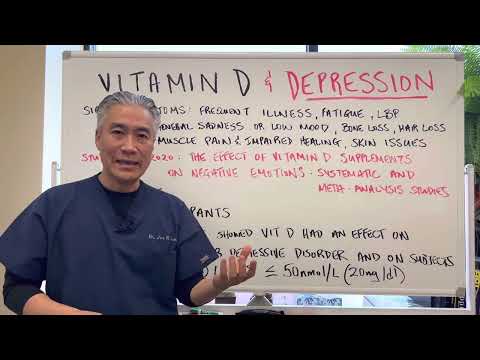
Vitamin D is often top of mind when talking about mood boosters. Our bodies can produce this vitamin naturally when exposed to sunlight. But during those gray winter months, we might not get enough of it. Research shows low levels of Vitamin D can lead to feelings of sadness or depression. You know how some folks feel more energized and happy when they bask in the sun? That’s because their bodies are soaking up Vitamin D!
Next up is B Vitamins. There are several types, but B6 and B12 are particularly important for mood regulation. These vitamins help produce neurotransmitters like serotonin, which plays a significant role in your mood and emotional well-being. Think about it: when you eat foods rich in these vitamins—like fish, chicken, whole grains, and leafy greens—your body gets what it needs to keep spirits high.
Another vitamin worth mentioning is Vitamin E. This antioxidant helps protect your cells from damage and support brain health. Some studies have suggested that Vitamin E may have a positive effect on mood as well. So snacking on nuts (especially almonds) or incorporating spinach into your meals could be smart moves.
Let’s not forget about Omega-3 Fatty Acids, even though they’re technically more of a nutrient than a vitamin. They’re found in fatty fish like salmon and mackerel, plus nuts and flaxseeds. Omega-3s may help improve overall brain health, which can be especially beneficial for managing SAD symptoms.
So yeah, focusing on a balanced diet rich in these vitamins can work wonders for your mood during those dreary months! It’s not just about taking supplements; real food gives your body the complete package it craves.
Incorporating these vitamins into your routine might just give that gray feeling a run for its money! Just remember to pair them with other healthy habits like exercise and getting outside whenever possible—every bit helps!
Essential Vitamins to Combat Seasonal Affective Disorder (SAD) and Boost Your Mood
So, let’s talk about Seasonal Affective Disorder, or SAD for short. This is that pesky type of depression that usually pops up when the days get shorter and the weather turns dreary. You might feel low energy, moody, or just downright blue. But what if I told you that vitamins could play a role in lifting your spirits?
First off, Vitamin D is like sunshine in a bottle. Seriously! Since many people don’t get enough sunlight during the winter months, their Vitamin D levels can plummet. Research has shown that low levels of this vitamin can lead to feelings of sadness and fatigue. Think about it: when you’re outside soaking up those rays, you feel more vibrant and alive. So, a supplement might help bring some sunshine back into your life.
Next up is Vitamin B12. This one is crucial for brain health and mood regulation. Many folks who experience SAD find they also have low B12 levels. It’s found in animal products like meat and dairy, so if you’re vegetarian or vegan, you might wanna consider a supplement to keep your mood balanced.
Then there’s Omega-3 fatty acids. While not technically a vitamin, they are super important for brain function and have been linked to improving mood in studies. Think about fatty fish like salmon or even flaxseeds if you’re plant-based! Just imagine giving your brain the best fuel possible.
Another player here is Folate. It’s found in leafy greens like spinach and beans – perfect for those cozy winter soups! A deficiency in folate can make you feel sluggish or moody. So adding some green stuff to your plate could be beneficial!
And let’s not forget about Magnesium. This mineral helps regulate neurotransmitters that send signals throughout your body and brain – think serotonin! Foods rich in magnesium include nuts, seeds, and whole grains. Seriously tasty ways to keep feeling good!
Adding these vitamins into your routine isn’t a magic bullet for SAD but could really help alleviate some symptoms. Along with therapy or light therapy (like a happy lamp), these nutritional tweaks might just boost your mood during those dark months.
In short:
- Vitamin D: Sunshine vibes from supplements!
- Vitamin B12: Brain health booster found mostly in animal products.
- Omega-3 fatty acids: Great for mood; think fish or flaxseeds.
- Folate: Found in greens; helps fight fatigue.
- Magnesium: Regulates happiness hormones; get it from nuts and grains.
So yeah, while you wait for spring to shine through the clouds again, consider chatting with a healthcare provider about adding some of these vitamins into your life. They can help brighten those winter blues!
Understanding the Best Vitamin D Options for Combating Seasonal Depression
So, you know how when winter rolls around, it can feel like the sun just goes on vacation? Well, for some folks, that’s more than just a bummer. It can lead to something called Seasonal Affective Disorder (SAD). And guess what? Vitamin D might help!
Vitamin D is often called the «sunshine vitamin» because our body makes it when sunlight hits our skin. But in those gloomy months, getting enough of it can be tricky. So, let’s break down how vitamin D can play a role in managing those winter blues.
Vitamin D and Mood
Studies suggest that there’s a connection between vitamin D levels and mood regulation. Low vitamin D can lead to feelings of sadness or depression. Some researchers think that vitamin D receptors in our brain could affect serotonin—a chemical that helps boost your mood.
Natural Sources
There are a couple of ways you can get your fill of vitamin D:
- Sunlight: The best source! Try to get outside when the sun is shining. Even a short walk during lunchtime can help.
- Food: Fatty fish like salmon and mackerel are great options. You’ve also got egg yolks, cheese, and fortified foods like milk or orange juice.
But what if it’s freezing outside or cloudy for weeks on end? That’s where supplements come into play.
Vitamin D Supplements
Supplements can be super helpful during those darker months. You’ve got two main types:
- D2 (ergocalciferol): This one comes from yeast and mushrooms.
- D3 (cholecalciferol): This is more effective at raising your blood levels of the vitamin and is usually derived from fish liver oil or lanolin (sheep’s wool).
Most people lean toward D3. Just make sure to talk with your doctor about the right dosage since too much isn’t good either.
Anecdote Time!
A friend of mine who always felt down during winter decided to give vitamin D supplements a go last year. At first, she was skeptical—like seriously, can pills replace sunshine? But after a few weeks of consistency with her daily dose and adding more sunny foods to her diet, she said she noticed her mood lifting! The dark clouds didn’t feel as heavy anymore.
The Bottom Line
If you’re struggling with SAD symptoms this winter, consider how vitamin D might fit into the picture. It’s one piece of the puzzle alongside therapy or light therapy options—which some people find super beneficial as well!
Always remember—before starting any new supplement regimen, checking in with a healthcare provider is key to making sure it’s safe for you. Happy sun-seeking!
So, let’s talk about something you might not think about when you hear the term «sad disorder,» which is Seasonal Affective Disorder. You know, when the winter blues hit hard and everything just feels a little too gray? Seriously, I’ve been there. I remember this one winter when the days were super short, and all I could do was curl up on my couch with hot chocolate and a heavy blanket. It felt like a dark cloud just wouldn’t lift.
Now, vitamins probably don’t pop into your head as the first line of defense against that funk. But here’s the thing: they can actually play a role in how you’re feeling. For instance, vitamin D is like that sunshine in pill form. A lot of us don’t get enough of it during those dreary winter months because we’re stuck indoors. Studies show that low levels of vitamin D can be linked to mood issues. When you think about it, it makes sense—like our bodies crave some of that warmth and light!
Then you’ve got B vitamins, especially B12 and B6, which are involved in creating those feel-good brain chemicals called neurotransmitters—like serotonin. And guess what? Serotonin pretty much helps keep our mood stable. If you’re missing out on these vitamins because your diet is lacking or whatever, it could definitely put you at risk for feeling down.
But hey, I’m not saying you should just pop a bunch of vitamins and call it a day. It’s also about balance—eating well-rounded meals and maybe even getting out for some fresh air on those sunny days (when they happen). It’s kind of surprising how much better a simple walk can make you feel.
And if you’re really struggling with seasonal emotions? Reaching out to someone for support is key too! Sometimes sharing how you’re feeling with friends or family can really lighten that emotional load.
Basically, while vitamins aren’t a magic cure-all for SAD disorder, they definitely have their place in making sure your body feels its best—especially if you’re battling the winter blues. Just remember: it’s okay to seek help beyond vitamins!