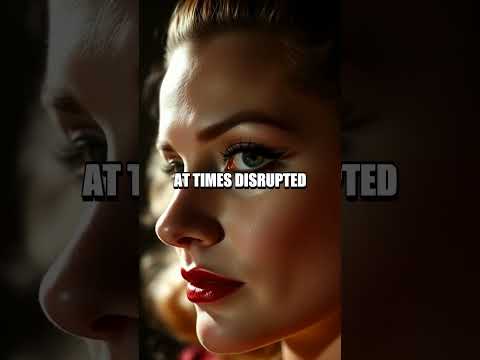
You know Vivien Leigh, right? The stunning actress from «Gone with the Wind»? Well, there’s a lot more to her story than just the glitz and glam.
Vivien battled bipolar disorder, a condition that turned her world upside down. Picture this: one minute she’s on top of the world, dazzling everyone with her talent. The next, she’s spiraling into darkness.
It’s a tough ride, and honestly? It makes her story even more compelling. Let me share a bit about what she went through and how it shaped not just her career but her life too. You’ll see how deeply mental health struggles can impact someone—even a Hollywood icon like her.
Exploring the Mental Health Struggles of Vivien Leigh: A Deep Dive into Her Illness and Legacy
Vivien Leigh, the iconic actress known for her unforgettable role as Scarlett O’Hara in *Gone with the Wind*, had a life that was both glamorous and tumultuous. Beneath the surface, she wrestled with significant mental health challenges. The thing is, Leigh struggled with bipolar disorder, a condition that deeply influenced her personal life and career.
Bipolar disorder involves extreme mood swings, including emotional highs (mania or hypomania) and lows (depression). Imagine feeling on top of the world one moment—full of energy, creativity, and brilliance—and then plunging into a dark pit of despair the next. That’s kind of what Vivien went through.
Her first documented episode occurred in 1943 when she experienced severe depression that resulted in hospitalization. This wasn’t just a fleeting moment; it was like a storm that shook her entire world. Can you picture how hard it must’ve been to maintain her public persona while battling such an invisible enemy? It’s really heartbreaking to think about.
Over the years, Leigh faced several breakdowns which worsened during stressful periods like filming or after major life events. She sought treatment but often struggled to find stability. Medications were only part of her journey; sometimes they worked well for her but other times they didn’t, leading to relapses that impacted both her health and career.
Her relationships were equally affected. For instance, her marriage to Laurence Olivier was intensely passionate but also fraught with challenges due to her unpredictable moods. They fought hard for their love but eventually split apart—partially due to these struggles.
Another interesting point is that despite these battles, Vivien was incredibly successful professionally. She won two Academy Awards and worked on renowned stage productions! It’s as if she channeled some of her turmoil into her acting—giving performances that still resonate today.
Vivien’s struggles highlight how mental illness can touch anyone—no matter how glamorous their life looks from the outside. Many people may not even be aware she had bipolar disorder until they dig deeper into her story.
In a way, Leigh became an advocate without meaning to be one—a symbol of resilience amid chaos. Her story sheds light on the importance of understanding mental health issues while reminding us all about compassion for those facing similar battles today.
So yeah, Vivien’s legacy isn’t just about incredible films; it’s also about real human experience—in all its complexity and beauty—including coping with something as profound as bipolar disorder.
Exploring the Impact of Mental Health on Vivien Leigh’s Untimely Death: A Look at Her Life and Struggles
Vivien Leigh was a brilliant actress, known for her iconic roles in “Gone with the Wind” and “A Streetcar Named Desire.” However, her life wasn’t just glitz and glamour. She struggled deeply with bipolar disorder, a mental health condition that can cause extreme mood swings.
Living with bipolar disorder isn’t easy. You have periods of intense highs—like feeling on top of the world—and then there are those crushing lows that make it hard to get out of bed. For Vivien, this came with dramatic fluctuations in her energy and emotions.
During her career, Vivien faced some really tough times. Imagine being on set one day, feeling invincible, and then struggling to remember your lines the next. That’s what it was like for her. Many close to her noted how she could be vibrant and charming one moment and then become withdrawn or irritable the next.
Her first marriage to actor Leigh Holman fell apart partly due to these struggles. The emotional rollercoaster can drain relationships, causing misunderstandings and heartache. And let’s not forget the societal pressures of being a public figure during that time; it couldn’t have helped feel like you had to keep up appearances all while fighting an internal battle.
Later in life, her condition took its toll even more severely. The thing is, managing a mental health condition like bipolar disorder often requires ongoing treatment—therapy, medication—you name it. But Vivien sometimes resisted treatment or struggled to maintain consistency in her care.
It’s reported that she had episodes of depression followed by manic phases where she’d take risks or act impulsively—like making risky choices in films or relationships. These patterns can often lead people down dangerous paths, sometimes creating a cycle that feels impossible to break.
By 1967, at just 53 years old, she passed away from tuberculosis after years battling both physical and mental health issues. It seems so unfair when you think about all the talent lost far too soon because of untreated struggles.
In short, Vivien Leigh’s experience with bipolar disorder highlights how mental health can shape not just individual lives but also their professional paths and relationships. Her story is a poignant reminder that we still need more compassion and understanding for those facing similar challenges today—even decades later!
Exploring Vivien Leigh’s Battle with Tuberculosis and Its Impact on Her Mental Health
Vivien Leigh was an incredible actress, known for her breathtaking performances in films like «Gone with the Wind» and «A Streetcar Named Desire.» But behind that dazzling smile, she faced some serious battles. You know, she lived with **tuberculosis** for a big part of her life, which really took a toll on her health and, in turn, her mind.
So, let’s talk about tuberculosis first. This disease mainly affects the lungs and can make you feel weak and exhausted. For Vivien, it wasn’t just about physical symptoms; it impacted her mental health too. Imagine trying to keep up with a demanding acting career while constantly battling tiredness and fear of your body failing you. That’s tough.
Now, here’s where it gets even more complicated—Vivien also struggled with **bipolar disorder**. When you have this condition, your mood can swing wildly from very high to very low. It can feel like a rollercoaster you never wanted to ride. The stress of dealing with tuberculosis likely made those swings even harder to manage. You might be thinking how could those two conditions interact? Well, they can create a vicious cycle.
When Vivien was feeling physically unwell from TB, it could worsen her depressive episodes or trigger anxiety about her health and career. On the flip side, during manic phases of bipolar disorder, she might have tried to overexert herself despite being unwell—pushing through the pain just to stay on stage or in front of cameras.
Here are some key points about how these two struggles affected each other:
- Physical Strain: Tuberculosis drained Vivien’s energy and made it hard for her to maintain the vibrancy needed for acting.
- Mood Swings: Bipolar disorder caused extreme highs and lows that were exacerbated by illness.
- Stigma: Mental health issues were less understood at the time; this added pressure as she faced judgment from peers and industry insiders.
- Coping Mechanisms: Vivien turned to various coping strategies but also struggled with reliance on medication and alcohol at times.
There’s this heartbreaking anecdote where she once was filmed looking frail while still trying to perform at her best—it shows just how deeply her conditions affected not just her but everyone around her too.
In the end, it’s important to recognize that combining both tuberculosis and bipolar disorder is like juggling fireballs while riding a unicycle on a tightrope—super challenging! Vivien Leigh’s story is one that sheds light on mental health struggles intertwined with physical illnesses, reminding us all that vulnerability isn’t weakness; it’s part of being human. We should remember not only her talent but also the courage she showed throughout both those battles.
Vivien Leigh, you know? She’s that iconic actress who lit up the screen in «Gone with the Wind.» But behind all that glamour, her life was a rollercoaster ride. It’s pretty heartbreaking when you think about it. She battled bipolar disorder, and that struggle affected not just her career but also her personal relationships and well-being.
Imagine being at the height of your success, winning Oscars and playing strong characters like Scarlett O’Hara. But then, on the flip side, experiencing those intense highs where you feel invincible, followed by deep lows that take all the joy out of life. It’s a wild emotional whirlwind! There were times when she had so much energy that it seemed like she could take on the world. But then came those dark days filled with despair and loneliness.
I remember reading about how her mental health struggles impacted her relationships, especially with Laurence Olivier, another legendary actor. Their love story had its highs—passionate and intense—but it also faced a lot of strain because of her condition. It must’ve been so tough for both of them to navigate that mix of love and pain. Like, can you imagine loving someone deeply yet feeling helpless as they battle their own mind? It’s heartbreaking.
Vivien’s journey highlights how bipolar disorder isn’t just some label; it’s this complex experience that can affect every facet of life—career ambitions, friendships, family dynamics—all of it. Some people say she was difficult to work with at times; others chalked it up to her mental health battles. The truth is probably somewhere in between.
When you look back now, knowing what we know about mental health today makes you think: if only there were more resources or understanding back then! Just knowing someone else feels what you feel can do wonders for healing. Vivien Leigh lived in an era when mental health wasn’t talked about openly enough; people often suffered in silence or were stigmatized for their struggles.
So here we are today – still learning from stories like hers – understanding better how important it is to talk openly about mental health and support one another through our challenges. It’s a reminder that even those who shine the brightest can face their own shadows—and that’s okay too.