Hey, you ever feel like your thoughts are racing faster than a cheetah on espresso? Yeah, I get that. Life can be totally overwhelming sometimes.
But what if I told you there’s a super simple trick to calm that storm in your head? Seriously! It involves something we all do—breathing.
Vocal breathing exercises might sound a bit fancy, but they’re just about using your voice and breath to chill out and feel better. So, let’s chat about how this can help boost your mental well-being. You ready?
Enhance Speech Therapy with Breath Support Exercises: Downloadable PDF Guide
Breath support exercises are, like, super important when it comes to enhancing speech therapy. You might have heard of them or seen your therapist use them. They help strengthen your voice and improve overall communication.
When we talk about breathing and voice, we’re diving into something pretty essential. Breath support is all about how we use our breath to help produce sound. It involves controlling the air that flows from your lungs through the vocal cords when you speak or sing. If you don’t have good breath support, your voice can sound weak or strained.
So let’s break this down a bit! What makes breath support exercises so great?
- Improves Breath Control: You learn how to inhale deeply and exhale steadily, which is key for producing clear speech.
- Enhances Vocal Quality: With strong breath support, your voice becomes more resonant and less likely to crack or fade.
- Reduces Anxiety: Practicing these exercises can also be calming, helping you feel more grounded and less anxious when speaking.
Imagine you’ve got an important presentation coming up. You’re feeling nervous, and as you start speaking, your words come out shaky—totally not how you want it to go! But with some consistent practice in breath control, you could find yourself standing there with confidence.
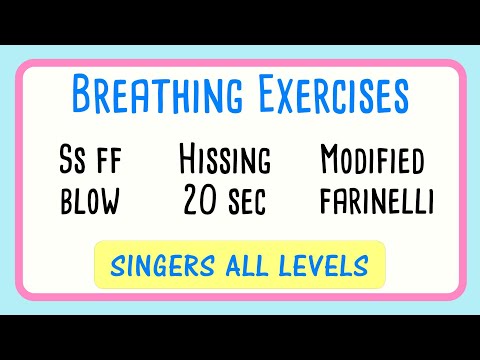
One common exercise is the **»Hissing Exercise.»** You take a deep breath in through your nose and then exhale slowly while making a hissing sound—like a snake! The goal is to keep that hiss steady for as long as possible. This helps build endurance in your breath support.
Another fun one is the **»Counting Exercise.»** Just take a deep breathe in and try counting aloud on one exhale. Start at one and work your way up! It’s harder than it sounds but really effective.
If you’re looking for a more structured approach, many therapists create downloadable PDF guides that lay out these exercises step-by-step. These guides can include visuals too—almost like having a personal coach right there with you!
The thing is—whether you’re practicing for therapy sessions or just trying to find ways to enhance mental well-being through voice work—it’s all connected. Good breathing techniques don’t just help with speech; they play a big role in reducing stress levels too.
You know how sometimes just taking a few deep breaths can make everything feel a little bit better? That’s because proper breathing activates the relaxation response in our bodies.
So incorporating breath support exercises into speech therapy isn’t just useful; it’s vital for developing effective communication skills while also promoting mental health benefits along the way!
Unlock Your Vocal Potential: Essential Breathing Exercises for Singing – Free PDF Guide
Well, let’s talk about breathing, but not the usual “take a deep breath” kind of stuff. I mean the specific breathing exercises that can really amp up your singing game and boost your overall mental well-being. You know how when you sing your heart out, it feels like all the worries just slip away? That’s not just magic; it’s science, my friend.
When we sing, we’re engaging more than just our vocal cords. We’re also using our lungs and diaphragm in ways that can actually help us manage stress and anxiety. Proper breathing techniques can ground you and help you feel more centered. So, let’s break down some essential vocal breathing exercises.
1. Diaphragmatic Breathing: This is where it all starts. Instead of shallow chest breaths, you’re going deep—like, really deep into your belly as if you’re trying to fill a balloon with air. To practice this, lie on your back with a book on your stomach. As you breathe in slowly through your nose, try to raise the book with your belly rather than lifting your chest. It’s a game changer for singers!
2. Box Breathing: This exercise is super calming and helps regulate anxiety—perfect for those pre-performance jitters. Imagine drawing a box in the air as you breathe: Inhale for four counts, hold for four counts, exhale for four counts, then hold again for four counts before starting over. It’s like giving yourself a mini time-out while prepping to belt out that high note.
3. Lip Trills: Sounds silly but trust me; lip trills are fantastic for warming up vocal cords without straining them! Simply blow air through closed lips to create a brrrrr sound while varying pitch up and down like you’re imitating a motorboat or something—it’s fun! Plus, this engages breath support naturally.
4. Sirens: Picture this: You’re not actually trying to sound like an emergency vehicle! Glide from the lowest note you can sing to the highest and back down again smoothly like you’re sliding on ice across notes (hopefully not falling!). This helps with vocal flexibility and control at various pitches.
Doing these exercises regularly not only builds strong breathing habits but also makes singing feel less daunting because they connect body movement with voice production in an enjoyable way.
So yeah, practicing these techniques is about more than just hitting those high notes—it enhances mental clarity too! Singing reduces cortisol levels (that pesky stress hormone) and boosts dopamine—the feel-good chemical in our brains—and trust me when I say nothing beats belting out tunes to lift your mood after a tough day.
Incorporating these breathing practices into your routine could really help turn singing into not only an art but also therapy of sorts—a delightful way to take care of both voice and mind simultaneously! So next time you’re feeling stressed or need that little boost of confidence before hitting the stage or karaoke night? Just remember: breathe!
Improve Your Singing with Effective Posture and Breathing Exercises for Better Vocal Performance
Sure! Let’s explore how good posture and breathing techniques can really boost your singing and even give your mental well-being a little boost too. Singing isn’t just about hitting the right notes; it’s also about how you breathe and hold yourself while doing it. So, let’s break it down.
Posture Matters
Good posture is like the foundation of a house—without it, everything else can get shaky. When you’re standing or sitting up straight, it’s way easier to control your breath and project your voice. Your body needs space to fill those lungs, you know? Slouching squishes everything together.
Try this: Stand tall with your feet shoulder-width apart. Keep your shoulders relaxed but back. Imagine there’s a string pulling you up from the top of your head. That visual can help you maintain a good stance while also making you feel more confident.
Breathing Techniques
Breathing is where it all begins for singers. Here are some exercises that might help:
- Diaphragmatic Breathing: This one’s like a game-changer. Instead of just using your chest when you breathe, engage that diaphragm—it’s like the superhero muscle for singers. Lie down on your back with a book on your stomach. As you breathe in, aim to make that book rise and fall.
- Hissing Exercise: Take a deep breath in through your nose and exhale slowly while making a hissing sound. It should last as long as possible without straining yourself. This helps control airflow and gives stability to your voice.
- Pursed-Lip Breathing: Inhale through the nose, then exhale through pursed lips as if you’re blowing bubbles. This technique can help calm anxiety, which is pretty neat if nerves kick in before singing.
Also, every time you practice these breathing exercises, try to think about how they feel emotionally too; breathing deeply can really clear out mental clutter.
Mental Well-Being Connection
It’s fascinating how singing connects with our emotions. When you focus on posture and breath control, it creates this rhythm that not only makes you sing better but also calms your mind. You could say it’s like meditation but with music!
Imagine being super stressed after a long day at work or school; stepping into some vocal warm-ups could shift that energy dramatically! Just belting out tunes with proper support can lead to feeling lighter inside—that rush of joy is no joke!
So remember, by paying attention to how you stand and breathe, not only will your vocal performance improve but you’ll also be investing in greater peace of mind along the way! And who doesn’t want to channel their inner rock star while feeling good mentally? It’s pretty powerful stuff!
You know, breathing is one of those things we kinda take for granted. It’s just there, happening without us giving it a second thought. But when you start diving into vocal breathing exercises, it feels like opening a hidden door to your mental well-being. Seriously!
I remember a time when I was feeling completely out of balance—stressed about work and overwhelmed by everyday life. A friend suggested I try some vocal breathing exercises, and honestly, I was skeptical at first. “Breath work? Really?” But I gave it a shot.
What happens is you begin focusing on your breath while also using your voice. So you might hum or chant while inhaling deeply and exhaling slowly. When you do this, it’s like giving your whole system a reset button. Not only are you getting more oxygen to your brain (hello, clarity!), but the vibrations from your voice can be super calming too.
And here’s the kicker: this stuff can help with anxiety, depression, and even stress management! You’re basically combining mindfulness with sound. It’s all about being present; letting go of those racing thoughts that can spiral out of control if you let ‘em.
After practicing for just a few minutes each day, I started to notice shifts in my mood. My mind felt clearer and less cluttered—like fog lifting after a gloomy morning. Plus, there’s something really empowering about using your voice in this way; it makes you feel more connected to yourself.
So yeah, if you’re ever feeling weighed down by life or just want to nurture that inner peace we all crave sometimes, give these vocal breathing exercises a whirl! You might just be surprised at how much they can enhance your mental well-being.