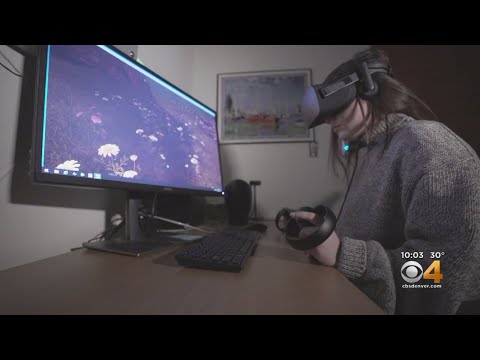
You ever get freaked out by something totally unreal? Like a video game or a movie scene?
Yeah, me too. It’s wild how our brains can react to something that’s not even real.
That’s where virtual reality phobia comes in. You put on those goggles, and suddenly you’re in a whole new world. But for some, it’s like stepping into a nightmare.
So, what’s up with that? What makes our minds freak out over pixels and sound? Let’s dig into those psychological roots and see what’s really going on, shall we?
Understanding Xylophobia: Causes, Symptoms, and Effective Coping Strategies
Xylophobia might sound like a mouthful, but it’s basically a fancy term for the fear of wood or wooden objects. If you’ve ever felt a wave of anxiety or panic at the thought of being around trees, furniture, or even paper, this could be what you’re dealing with. Let’s unpack this a bit.
Causes
So, what brings on this fear? There’s no single villain here. Many times, it can stem from childhood experiences. Maybe you had a bad incident related to wood—a splinter that hurt like crazy, or getting lost in a dense forest. Your brain could’ve tagged wood as something scary.
Some mental health experts think that genetic factors play a role too. If someone in your family has anxiety disorders or specific phobias, you might be more likely to develop one yourself. It’s like inheriting a dysfunctional family trait but with fear instead of awkwardness at parties!
Symptoms
When someone with xylophobia is faced with wood-related situations, their reaction can be intense. You might feel things like:
- Panic attacks—your heart races, your palms sweat.
- Avoidance behavior—you ditch plans that involve going to parks or furniture stores.
- Anxiety and dread—just thinking about being near trees makes you feel uneasy.
- Nausea or dizziness—your body goes into fight-or-flight mode.
These symptoms can pop up suddenly and feel overwhelming while you’re facing something wooden.
Coping Strategies
Alright, so how do you deal with xylophobia? Here are some effective coping strategies:
- Gradual Exposure: Slowly introducing yourself to wooden objects can help desensitize your fear. Start small—maybe look at pictures of trees before moving on to actual wooden items.
- Cognitive Behavioral Therapy (CBT): This therapy helps change negative thought patterns associated with your fear. A therapist could guide you through techniques to reframe how you think about wood.
- Meditation and Mindfulness: These practices help ground you when you’re feeling anxious. Just take some deep breaths and focus on the present moment when panic starts creeping in.
- Create a Support System: Talk about your fears with friends or loved ones who understand and support you. They might even join you in facing some of those fears!
If virtual reality is involved, certain programs designed for exposure therapy can simulate environments that include wood without putting you in immediate danger.
You know what’s tough? Phobias can sometimes make simple activities feel impossible. But knowing you’re not alone can really help lighten the load! Like many people facing their fears, finding ways to cope takes time and patience—and honestly? That’s okay!
Unraveling Megalophobia: Understanding the Psychology Behind Fear of Large Objects
Megalophobia, or the fear of large objects, might sound a bit out there, but trust me, it’s more common than you think. Imagine standing under a huge skyscraper or looking up at a massive statue. For some folks, that’s enough to send them into a panic. You know how it feels when your heart starts racing and your palms get sweaty? That’s what many with megalophobia experience.
What happens is that the brain can sometimes overreact to specific stimuli. When faced with something overwhelmingly big, like a giant airplane or an enormous roller coaster, the brain fires off alarms. It’s like the body’s way of saying “Hey! This is too much!” And this can lead to anxiety attacks or even avoidance behavior.
Understanding Fear Roots
So where does this fear come from? To put it simply, it can stem from personal experiences or learned behaviors. Maybe as a kid you had an encounter that left a mark—like getting dizzy while climbing up a steep hill. Or perhaps you grew up watching movies where giant monsters caused chaos. All these bits add up to create a lens through which you view large things.
Connection to Virtual Reality
Now, let’s talk about virtual reality because it really ties in here. VR environments often amplify sensations—things look and feel bigger than life! This can trigger someone with megalophobia in unexpected ways. Picture being in a VR simulation and suddenly standing next to towering buildings; it’s like your worst fear just got magnified times ten.
But here’s the interesting part: some people find that facing their fears in virtual settings helps lessen their anxiety over time. It sounds wild, but exposure therapy through VR could actually help folks manage their reactions better. As they gradually get used to seeing massive objects in virtual space, they may find themselves becoming less sensitive to real-life sizes.
Physical Symptoms
When someone experiences megalophobia, they might go through serious physical symptoms—like dizziness, shortness of breath, shaking hands—you name it! It’s not just in their head; the body goes into fight-or-flight mode. That surge of adrenaline might just be doing its job by preparing them for action…but not so helpful if you’re just trying to appreciate art at a museum!
Treatment Options
If megalophobia affects day-to-day life—like avoiding certain places or feelings of distress—you bet there are options out there! Therapy methods such as cognitive-behavioral therapy (CBT) help people reframe and challenge those anxious thoughts about large objects.
Another option is gradual exposure therapy where people slowly face their fears—maybe starting with pictures of large things before moving on to being near them in real life.
In summary, megalophobia connects so much with our experiences and perceptions—it’s fascinating yet complex! Understanding where this fear comes from can help pave the way for better coping strategies and treatments down the line. It takes time but getting there is totally possible!
Exploring the Psychological Roots of Virtual Reality Phobia: Insights and Understanding
Virtual reality (VR) is seriously cool, yet for some folks, it can trigger major anxiety. This reaction isn’t just about the technology itself; it goes deeper. You know how sometimes you feel nervous about something you don’t quite understand? Well, that’s part of it. Let’s dig into the roots of this phenomenon.
What is Virtual Reality Phobia?
So, VR phobia isn’t a recognized term in clinical psychology yet, but it describes a strong fear or anxiety related to virtual environments. When people step into VR and feel overwhelmed or disconnected from reality, their brain might scream “Nope!” It’s that feeling of being trapped or losing control that can freak someone out big time.
Fear of the Unknown
A lot of this comes from not knowing what to expect. Our brains tend to react strongly to unfamiliar situations. For instance, if you’ve ever been on a rollercoaster for the first time and felt that mix of excitement and terror, you can relate. With VR, users might feel disoriented in a new digital space that feels real but isn’t real at all. That disconnect? It can trigger panic attacks for some people.
Previous Trauma
If you’ve had bad experiences with technology or even just feeling out of your element in social situations, those memories can resurface when trying VR. Memories are powerful! Someone who had a traumatic event while playing an immersive game could find themselves reliving those feelings when they try VR again. It’s like their mind pulls up an old video in response to something seemingly harmless.
Sensory Overload
The thing is, VR can hit your senses hard—sound, sight, and even touch (or at least simulated touch). For someone sensitive to sensory input or who has issues with overstimulation like ADHD or autism spectrum disorder, creating an all-encompassing virtual environment might be too much to handle. Imagine standing on the edge of a cliff in the virtual world and feeling dizzy; for some people, it’s not just dizziness—it’s panic.
Social Anxiety
In virtual spaces where social interaction happens—like gaming platforms or meetups—the fear gets amplified for those struggling with social anxiety. You might feel judged every time someone looks your way in-game or during a meeting in VR. The pressure to present yourself well while navigating awkward avatars can be pretty daunting!
The Role of Therapy
For those struggling with this phobia, therapy often plays a crucial role in easing fears associated with Virtual Reality experiences. Cognitive-behavioral therapy (CBT) could help reframe negative thoughts about these experiences into something more manageable over time—kind of like practicing mindfulness while remembering it’s “just” technology.
So there you have it! The psychological roots behind virtual reality phobia are varied but intertwined with our human response to fear and anxiety surrounding the unknown and unfamiliar experiences. If you’re among those who find themselves overwhelmed by VR environments—remember: you’re not alone! And it’s totally okay to take things one step at a time as you explore what feels right for you.
So, you know how everyone’s jumping on the virtual reality (VR) bandwagon lately? It’s pretty cool, right? But for some people, it’s like a total no-go zone. They freak out, and that’s what we might call VR phobia. It’s kinda wild when you think about it.
I remember a friend of mine got really excited about trying VR at this gaming event. Everyone was buzzing with energy, but when he put on the headset, he just froze. It was like someone flipped a switch in him. His hands were shaking, and his eyes went wide. He couldn’t get through the experience without feeling overwhelmingly anxious. I had no idea it could affect someone like that.
So, what’s going on here psychologically? Well, VR can mimic real life so closely that it triggers some of our most primal fears—like fear of heights or being trapped in small spaces. The brain doesn’t always know how to separate the virtual from reality, which is pretty trippy if you think about it! This kind of anxiety often roots itself in past experiences or even specific phobias that someone has developed over time.
For instance, if you’ve had a bad experience with technology or even experienced panic attacks in certain situations before—well, put on a VR headset and your brain might just connect those dots. It doesn’t help that there can be an expectation to enjoy these experiences fully; feeling pressure can make those fears stand out even more.
People dealing with this phobia might feel embarrassed too, since it’s kinda hard to explain why they can’t just «enjoy» something that’s supposed to be fun. You can see how isolating that can be! And that isolation can lead to avoidance behavior—like steering clear of anything related to VR altogether.
The thing is, understanding these psychological roots might open up ways to tackle those fears—maybe through gradual exposure or finding support from others who get what you’re going through. It’s all about giving yourself space to feel what you feel without judgment.
It’s interesting and kinda sad at the same time: something designed for fun could end up being a source of anxiety for others. If you’re one of those folks dealing with this phobia? Just know you’re not alone; there’s always room for understanding and finding your way forward at your own pace!