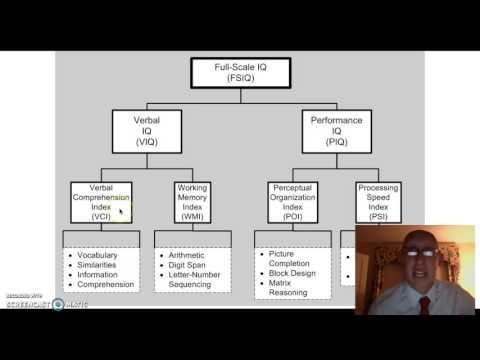
So, have you heard about the WAIS IQ Test? It’s not just for proving how smart you are. Seriously, it can actually give you some cool insights into your mental health.
You might be thinking, “Why do I need a test?” Well, it’s like peeking under the hood of your brain. You get to see what’s firing on all cylinders and what might need a little tune-up.
And guess what? You can even take it online! No stress, just you chilling with a quiz that might help you understand yourself better.
Let’s dive in and see how this could be a game-changer for your mental well-being!
Exploring the Possibility: Can the WAIS 5 Intelligence Test Be Administered Online?
Exploring the WAIS 5 Online
So, you’re curious about the WAIS 5, huh? That’s the Wechsler Adult Intelligence Scale, Fifth Edition. It’s one of the most popular intelligence tests out there, often used to get a glimpse into a person’s cognitive abilities. But can you take it online?
What is WAIS 5?
The WAIS 5 is designed to measure different kinds of intellectual performance. This means it checks your verbal comprehension, perceptual reasoning, working memory, and processing speed. Think of it like a toolbox that shows what you’re good at and where you might struggle.
Online Administration
Now for the big question: Can you take it online? The short answer is not really. The test is meant to be supervised by a trained professional. Why? Well, some parts rely on timing and specific formats that are tough to replicate in an online setting. Plus, having someone guide you helps ensure you’re putting your best foot forward.
The Importance of Supervision
When taking a standardized test like this one, there are rules about how it’s administered. A psychologist or qualified professional makes sure everything’s done right—like controlling your environment and making sure there’s no cheating or distractions. You see, if people were taking it from home without supervision, things could get messy.
Accessibility Considerations
That being said, some organizations are exploring ways to adapt parts of the test for remote evaluations. They might use virtual assessments that mirror some elements of WAIS but aren’t exactly the same thing. This could provide valuable insights into cognitive abilities while keeping that human touch.
Cognitive Assessments Online
If you’re thinking about enhancing mental health insights through online testing tools, there are alternatives available. There are various cognitive assessments designed for online use that can give you some idea about your mental strengths and weaknesses. Just remember: they won’t replace proper testing like the WAIS 5.
You know how sometimes people feel overwhelmed by their emotions or think they’re not smart enough? Having access to assessments can help clarify things and inform decisions around therapy or other interventions.
The Bottom Line
In summary, while the full WAIS 5 cannot be taken online due to the need for supervision and standardization protocols, there are still options out there for cognitive assessment in virtual formats. These alternatives can offer useful insights but remember—the real deal will always involve a trained professional guiding you through it all!
Understanding the WAIS Test: Is It Free or Are There Costs Involved?
So, let’s talk about the WAIS test. The Wechsler Adult Intelligence Scale (WAIS) is kind of a big deal in the world of intelligence testing. It’s used to get insights into a person’s cognitive abilities and can be really helpful for mental health professionals.
First off, you might be wondering if you have to cough up any cash to take this test. Well, here’s the scoop: **the WAIS is not free**. When it comes to psychological assessments like this one, there’s usually some costs involved. It’s not just about taking a test; it’s also about ensuring that it’s administered properly and interpreted accurately.
Now, if you go through a qualified professional, like a psychologist or psychiatrist, expect to pay for their time and expertise. This could mean paying for the evaluation session itself or even follow-ups to discuss results and recommendations. A psychologist might charge anywhere from $100 to $250 per hour depending on their experience and location.
But here’s where things get tricky—some online versions claim to offer WAIS-like assessments for free or at lower prices. Be cautious with those! They may not provide you with an accurate picture of your cognitive strengths and weaknesses because they’re often simplified or not validated in the same way the actual WAIS is.
And speaking of online tests, while they might provide some fun insights—like an app that tells you you’re a genius over virtual puzzles—they’re typically not substitutes for an actual clinical assessment by a licensed professional. You follow me?
If you’re interested in taking the WAIS seriously for educational or therapeutic purposes, it’s best to seek out a licensed psychologist who can administer it correctly. They’ll guide you through both the process and what those results actually mean for you.
In essence, while there are quick online tests that sound appealing, don’t forget that understanding your mental health is worth investing in—and that means finding trusted resources, even if they come at a cost!
Understanding WAIS Scores: What Is Considered a Good Score by Age?
Understanding WAIS Scores can be a bit of a puzzle, but I’ll break it down for you. The WAIS, or Wechsler Adult Intelligence Scale, is designed to measure intelligence in adults and older adolescents. It’s not just about what you know; it looks at how you think and process information.
Basically, the WAIS gives you a score called an IQ score. And yeah, that number can tell us a lot about cognitive abilities. But here’s the thing: what’s considered a “good” score really depends on your age group. Let’s dig into that.
General IQ Score Ranges
Most people fall somewhere around the average range of IQ scores:
- 70-84: Below average
- 85-115: Average
- 116-130: Above average
- 131+: Gifted
If you’re scoring above 100, you’re likely in the average range or higher—pretty solid!
Now let’s talk age.
Your Age and What Scores Mean
Scores can shift a bit as we move through life stages. Here’s how it generally breaks down:
- Ages 16-24: This is when many of us are in school or starting careers. A score around 100 is typical.
- Ages 25-34: Young adulthood usually sees scores in the average to above-average range, typically between 100 and 115.
- Ages 35-44: You might find scores increasing slightly as experience plays a role. Average could shift to around 105.
- Ages 45-54: Many people hit their peak problem-solving skills here; scores might hover from about 105 to around even higher.
It’s not all about numbers, though!
The Importance of Context
Let me share an example: imagine two folks doing the WAIS test—one just finished college and is still learning new concepts daily; another has years of work experience under their belt. Life experiences matter!
And keep in mind that these tests aren’t foolproof—cultural factors, education level, and even testing conditions can sway results.
Younger vs. Older Adults
Younger adults may grasp new ideas faster because they’re often engaged in learning environments more frequently than older adults who might be set in their ways—or not exercising their mental muscles quite as much, if you feel me!
Over time, cognitive skills can change too; some areas might get sharper while others dull down a bit due to age-related factors.
So when considering “what’s good,” it really boils down to understanding your context—which includes your age and life stage.
In summary, while aiming for that sweet spot above average is great, remember it’s just one piece of the puzzle regarding intelligence!
Okay, so let’s talk about the WAIS IQ test. You know, that whole thing that measures intelligence through different cognitive skills? It’s pretty interesting, right? I mean, having a peek into your IQ can feel like a big deal. But it’s not just about numbers and fancy graphs; it can actually help you understand yourself better.
I remember when my friend Sarah took an online version of the WAIS test a while back. She was feeling lost in her career and just generally overwhelmed by life. Like, she really wanted to figure out what her strengths were, you know? After taking the test, she found out her verbal comprehension was off the charts! That opened up a whole new world for her. She realized that maybe she should look into jobs that played to those strengths—like writing or teaching.
The thing is, using these tests for personal insight can be empowering. It’s not just about comparing yourself to others or getting caught up in what society thinks success should look like. The numbers can lead to better self-awareness and even guide you towards mental wellness strategies that suit you best. Like if you realize you struggle with certain areas of thinking or memory, maybe it’ll motivate you to work on those skills or seek support from someone who gets it.
Of course, it’s super essential to remember that an online IQ test isn’t gonna give you the full picture of your worth or capabilities. Intelligence is way more than what any test can capture! Emotions, experiences—those play huge roles too. So while taking something like the WAIS might seem appealing for clarity on your mental health, don’t forget it’s just one piece of a larger puzzle.
So yeah, if you’re curious about your potential—go for it! But keep in mind: it’s more about how this knowledge helps you grow rather than stressing over the score itself. Life’s all about learning and adapting anyway!