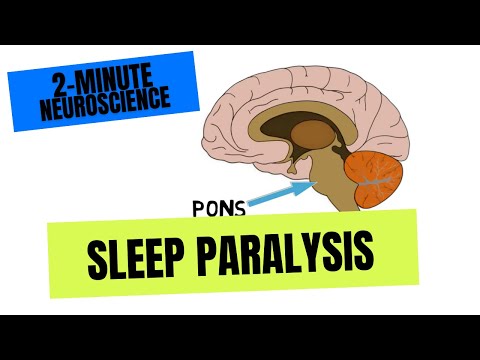
You know that feeling when you wake up, but your body just won’t move? Seriously, it can be freaky. That’s sleep paralysis for you.
Imagine lying there, wide awake in your room, but you can’t budge an inch. Sounds like something out of a horror movie, right?
Well, it’s actually super common. Lots of people experience it, and it’s often tied to stress or lack of sleep.
So let’s chat about what goes down during those weird moments and how your mind plays a role in all this. Stick around; it’s gonna be an eye-opener!
Understanding Sleep Paralysis: What Happens When You Wake Up During an Episode
Sleep paralysis can be seriously freaky. Imagine this: you’re waking up, but your body feels totally locked down. You can’t move, can’t scream, and it’s like you’re trapped in your own head. It’s unsettling, right? Let’s talk about what happens during these episodes and why they might occur.
When you hit the REM (Rapid Eye Movement) stage of sleep, your brain is super active—almost like you’re awake. This is when most of your dreaming happens. But here’s the catch: your body goes into a state of temporary paralysis to keep you from acting out those dreams. Sounds convenient, huh? But sometimes this paralysis lingers even when you’re waking up or falling asleep.
So, picture this scenario. You wake up one morning but can’t move an inch. Maybe you notice shadows in the room or hear strange noises. This is common during sleep paralysis—people often report visual or auditory hallucinations. It’s almost as if your mind is still dreaming while you’re half-awake, making it hard to distinguish between reality and imagination.
A lot of factors can trigger these episodes:
And let’s not forget genetics—some people are just more prone to it based on their family history.
What happens during an episode can feel like an eternity, but it’s usually just a few seconds to a couple of minutes at most. The nasty part? Your mind may be racing while your body stays still. That intense fear? Totally normal for folks who experience this.
If you’re one of those people who’ve gone through sleep paralysis, know that you’re not alone! Many people have had similar experiences; some even describe it as feeling a presence in the room or an overwhelming pressure on their chest.
The good news? Most cases don’t require treatment; they’re generally harmless and go away on their own over time. Still, if it’s affecting your quality of life—like messing with your sleep patterns—you might want to chat with a health professional about strategies such as improving sleep hygiene or managing anxiety levels.
So next time someone mentions waking up paralyzed, you’ll have a better grasp of what that means! It’s all about understanding how our minds and bodies interact during sleep—and how they sometimes throw us for a loop when we least expect it.
Understanding Sleep Paralysis: Is It a Form of Psychosis?
Sleep paralysis can be a seriously freaky experience, right? You know, when you wake up and feel totally unable to move or speak? Sometimes, it can even feel like there’s something sinister in the room with you. Some people wonder if this is a form of psychosis. So let’s unpack that a bit.
To start with, sleep paralysis is actually pretty common. It happens when you wake up from sleep but your brain hasn’t fully reconnected with your body yet. This might sound weird, but during sleep, especially during REM (that’s Rapid Eye Movement) sleep, your brain signals your body to stay still. It’s like a built-in safety mechanism so you don’t act out your dreams. But if you wake up too soon and your body doesn’t catch up, voilà! You can find yourself awake but totally pinned down.
Now, getting back to psychosis—this is generally characterized by things like hallucinations or delusions where someone might lose touch with reality. While sleep paralysis can come with some pretty intense experiences like auditory or visual hallucinations—imagine seeing shadowy figures or hearing voices—it doesn’t mean you’re losing it in the way someone would during a psychotic episode.
The thing is, what’s happening in sleep paralysis isn’t reflective of ongoing mental illness. Instead, it’s more about how your brain transitions between states of consciousness. You’re not out of touch with reality; you’re just kinda stuck in between being awake and asleep.
Here are some key points to consider about sleep paralysis and the whole psychosis debate:
- Common Experiences: Many people report feeling an evil presence or pressure on their chest during these episodes.
- Nerve Connection: Your mind jumps first to wakefulness while your body stays dormant.
- Stress Factors: Stress and lack of sleep often trigger these episodes.
- No Long-term Effects: They are usually harmless and tend to go away on their own without any lasting impacts.
It’s crucial to note that although those experiences can feel very real—and downright terrifying—they aren’t a sign that you’re slipping into psychosis or anything severe like that. People who’ve experienced it often find comfort in knowing they’re not alone; tons of folks have had similar encounters.
Honestly, I remember talking to a friend who had this happen one night. She woke up feeling completely paralyzed and thought she saw someone standing by her bed! Super spooky stuff! But once she learned what it was—thanks to some research—she felt way less scared about it happening again.
So if you’ve had sleep paralysis or know someone who has been through it too, just remember: while it’s unsettling and incredibly vivid at times, it’s not about losing touch with reality; it’s just one strange quirk of our amazing brains doing their thing—or not doing their thing when they should!
Understanding Sleep Paralysis: Is It a Brain Glitch or Something More?
Sleep paralysis is one of those weird experiences that can freak you out, right? You wake up, totally aware of your surroundings, but your body feels like it’s stuck in quicksand. It’s like your mind is wide awake, but your muscles just don’t wanna play along. So, is this just a brain glitch or something deeper? Let’s break it down.
What Sleep Paralysis Really Is
At its core, sleep paralysis happens during the transition between sleep and wakefulness. You know when you’re dreaming and suddenly realize it’s not real? That moment is similar to what happens during sleep paralysis. You’re partially awake while still kind of being in a dream state. Your brain is active, but your body hasn’t fully «woken up» yet.
Now, why does this happen? During REM (Rapid Eye Movement) sleep, which is when we dream, our brains send signals to inhibit most voluntary muscle activity. This prevents us from acting out our dreams. Sometimes, though, this sleepy signal gets mixed up when you wake up—hence the paralysis.
Common Triggers
There are several things that can trigger sleep paralysis episodes:
- Lack of Sleep: If you’re burning the candle at both ends or not getting enough quality rest, you might be more prone to these experiences.
- Sleep Disorders: Conditions like narcolepsy make folks more susceptible to sleep paralysis.
- Sleep Position: Some studies suggest sleeping on your back increases the likelihood.
- Stress and Anxiety: Emotional turmoil can mess with your overall sleep quality and lead to these creepy encounters.
But here’s something interesting: people often report feeling a weight on their chest or sensing an ominous presence nearby during an episode. That can be pretty unsettling! It’s not uncommon to feel intense fear or panic because of this sensation.
The Science Behind The Experience
So if you’re wondering whether it’s just a brain glitch or something more mysterious—it’s mostly science but with some psychological layers thrown in there too! People have studied this for ages, examining everything from brain waves to the emotional impact of these episodes.
Some researchers think that these experiences could stem from a mix of neurological factors, such as how our brain transitions between different stages of sleep; and cultural beliefs. There are various folklore stories about «sleep demons» across cultures that align with what people experience during an episode. It’s fascinating how deeply ingrained ideas about fear and helplessness affect individuals interpreting their experiences!
Coping With Sleep Paralysis
If you’ve ever had it and it’s freaked you out, you’re definitely not alone! Many people deal with it at some point in their lives. Here are some ways to help ease those moments:
- Avoid Sleep Deprivation: Make sure you’re getting enough shut-eye!
- Create a Relaxing Bedtime Routine: Wind down before bed—read a book or listen to calming music.
- Aim for Consistent Sleep Patterns: Try hitting the hay around the same time every night.
- If Stress Is High:Your mind might be racing too much for solid rest; consider talking about it or even practicing relaxation methods like meditation.
So there you have it! While sleep paralysis definitely has scientific roots in how our brains work during sleep stages—like a little glitchy malfunction—it also carries psychological weight tied into fears and perceptions shaped by personal experiences and cultural narratives. Understanding that might help take some fear away from those unsettling moments when they do occur!
Waking up paralyzed—yeah, that can be a seriously freaky experience. Imagine being in your own bed, wide awake, but your body feels like it’s stuck in cement. This is what sleep paralysis is all about. It’s one of those strange phenomena that can make you feel like you’re in a horror movie, even if the scariest thing around is just you trying to move your toes.
So picture this: you’re lying there, maybe after a long day where everything felt overwhelming. You finally fall asleep and then… bam! You wake up but can’t actually move. Your heart races. There might even be some weird shadowy figures lurking in the corners of your room (not cool!). It’s common to feel panic mixed with confusion—like, why can’t I get my body to cooperate?
What’s happening here? Well, during sleep, we go through different stages. The deeper stages involve REM (rapid eye movement) sleep where we dream a lot. Normally, our brain sends signals to keep our muscles relaxed so we don’t act out our dreams. But sometimes these signals misfire when you’re waking up or falling asleep, and that’s when the paralysis kicks in.
You know, for some folks experiencing this isn’t just a one-time thing; it can happen repeatedly over time. That was my buddy Jake’s reality for a while—he’d wake up feeling like he was trapped in his own skin several nights a week! Eventually he connected it with stress and not getting enough sleep; once he started prioritizing rest and managing his anxiety better, it happened less often.
But there’s more to this whole experience than just the physical reaction of not moving; it’s also mental. A lot of people report feelings of dread or fear during these moments because your mind is awake but your body isn’t responding how you want it to. It can really shake your confidence or mess with your sense of safety at home.
The good news is that while it sounds super scary (and totally bizarre), sleep paralysis itself isn’t harmful physically. Still feels awful though! If you find yourself having these episodes frequently or they’re impacting your daily life—talking about them helps! Sometimes just sharing the experience lifts some weight off those shoulders.
In the end, dealing with something like sleep paralysis can be tricky but understanding what’s going on in both mind and body makes a difference. It turns out tackling underlying stresses and ensuring solid sleep hygiene could help put an end to those wild nighttime adventures. So if you’ve dealt with this before or know someone who has—just remember you’re not alone in this spooky club!