Hey! You know that feeling when winter rolls in, and everything just seems a bit… bleh? The days are shorter, the sun’s hiding, and it’s like the world has turned gray. Seriously, it can feel heavy sometimes.
That’s where Seasonal Affective Disorder, or SAD for short, steps in. It’s more common than you might think. A lot of folks struggle with it when the seasons change.
But don’t worry! There are some pretty effective ways to tackle those dark clouds. Let’s chat about what you can do to brighten up those gloomy months. Sound good?
Natural Remedies for Seasonal Affective Disorder: Effective Strategies to Boost Your Mood
Seasonal Affective Disorder, or SAD, can really bring you down when the days get shorter and the weather turns chilly. You might feel more tired, less motivated, or just plain blue. Luckily, there are some natural remedies that can help you boost your mood and fight back against those winter blues. Here are a few strategies to consider:
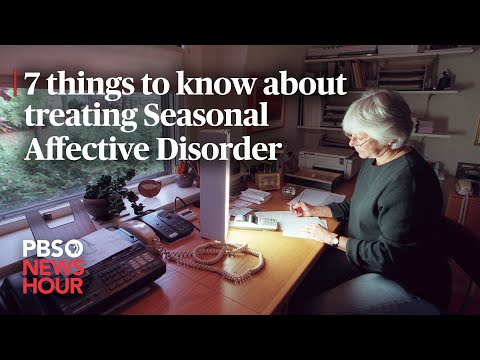
Light Therapy. This one’s pretty popular for a reason! Basically, you sit in front of a special light box that mimics sunlight. It tricks your brain into thinking it’s getting that bright sunny vibe. You usually want to spend about 20 to 30 minutes in front of it each day—preferably in the morning. Some folks find it really helps lift their spirits.
Get Outside. Even when it’s cold, fresh air can work wonders. Just stepping outside during the day can help you soak up some natural light. It doesn’t need to be for long; even a 15-minute stroll works! And who knows? You might stumble upon something beautiful—like frosty trees or a little wildlife.
Exercise. Seriously, breaking a sweat can elevate your mood significantly. When you exercise, your body releases endorphins—you know, those feel-good hormones? Try to get moving for at least 30 minutes just about every day! Whether it’s dancing in your living room or hitting the gym, find what makes you happy.
Diet Matters. What you eat plays a big role in how you feel. Think about adding more fruits and veggies with bright colors—they’re packed with nutrients that kick sadness to the curb! Omega-3 fatty acids found in fish like salmon or walnuts can also help improve your mood.
Mindfulness and Meditation. Taking time out to just breathe can make all the difference. Simple meditation practices help clear your mind and allow space for positive thoughts. Apps and online videos can guide you through this process if you’re not sure where to start.
Aromatherapy. Scents like citrus or peppermint could brighten up your day! Using essential oils in a diffuser or even lighting candles can lift your mood pretty quickly. There’s something about pleasant aromas that just feels good.
Remember, everyone’s different—what works for one person may not work for another. It’s all about finding what fits best for you! If things feel overwhelming or too tough to handle on your own, don’t hesitate to reach out for support from friends or professionals; they’re there for you!
So yeah, try these out and see how they impact your mood this season! You’re definitely not alone in feeling this way but taking tiny steps towards happiness is totally doable.
10 Effective Strategies to Combat Seasonal Affective Disorder and Boost Your Mood
Seasonal Affective Disorder, or SAD, can really put a damper on your spirits when winter rolls around. You know that feeling when the days are shorter, the weather’s colder, and it seems like sunshine is a distant memory? Basically, it’s more than just the winter blues. It can seriously affect your mood and energy levels. So, here are some strategies to help combat those feelings and give your mood a little lift.
- Light Therapy: A bright light box mimics natural sunlight. Using it for about 20-30 minutes every morning can help boost serotonin levels. Some people swear by this method!
- Stay Active: Regular exercise is crucial! Even something as simple as going for a walk can release endorphins that make you feel happier. Remember last winter when you forced yourself to go outside? That fresh air was so refreshing!
- Get Outside: Even on cloudy days, getting some natural light helps. Try taking breaks outside during the day or have lunch in a sunny spot if you can.
- Mood-Boosting Foods: Eating more fruits and veggies, along with foods rich in omega-3 fatty acids—like fish—can make a difference too. Seriously! Have you noticed how good you feel after munching on some fresh berries?
- Create a Routine: Having a regular schedule helps keep your mind active and lessens feelings of sluggishness. It’s like giving your brain something to hold onto during those dreary days.
- Connect with Others: Reach out to friends or family for support! Sometimes just chatting over coffee or spending time together can lighten your load.
- Pursue Hobbies: Engaging in activities you love can distract from negative emotions. Whether it’s painting, reading, or playing an instrument—just dive into what feels good.
- Meditation and Mindfulness: Practicing mindfulness can reduce stress and increase emotional resilience. Taking even five minutes to breathe deeply or follow guided meditation can be beneficial.
- Simplify Your Environment: Decluttering your space might help clear your mind too! A tidy space can lead to a clearer mental state—it’s true!
- Consult with Professionals: If SAD gets too much to handle alone, don’t hesitate to reach out for therapy or talk about medication options with professionals who understand.
You know what? Everyone’s experience with SAD is different. It might take some time figure out what works best for you. But hang in there! By trying even a few of these strategies, you’re already taking steps toward feeling better.
Top Medications to Alleviate Seasonal Affective Disorder Symptoms
Seasonal Affective Disorder, or SAD, can feel like a heavy blanket that just won’t budge when the colder months roll in. If you’re struggling with that drag of low energy and mood swings as the days get shorter, you’re not alone. A lot of folks experience this. One way to tackle SAD is through **medications**. Let’s break down some of the common ones that might help lift your spirits.
Antidepressants are often prescribed for SAD. They’re meant to help balance out those mood-regulating chemicals in your brain, like serotonin. One popular choice is **SSRIs** (Selective Serotonin Reuptake Inhibitors). Drugs like fluoxetine and sertraline work by keeping more serotonin available in your system. So, if you’re feeling off, these might be worth discussing with your doctor.
But here’s the thing: not everyone feels great on SSRIs right away. Sometimes it takes a few weeks to notice any difference. And hey, there can be side effects too—things like stomach upset or sleep changes—so it’s important to keep an open line with your healthcare provider.
Another class are **SNRIs** (Serotonin-Norepinephrine Reuptake Inhibitors). These include medications like venlafaxine and duloxetine. They do a similar job but also target norepinephrine along with serotonin, which can be helpful for some people who struggle more with fatigue than sadness during the winter months.
Now let’s talk about another option: **bupropion**. This one has a different approach altogether; it’s not really like other antidepressants since it mostly works on dopamine and norepinephrine levels. Some folks find that it helps boost their energy without as many side effects compared to other medications.
Then there are **light therapy devices**, which aren’t meds per se but often go hand in hand with them for treating SAD. Think of these as special lamps you sit near during certain hours of the day—it’s sort of like tricking your brain into thinking it’s getting more sunlight! They can be super helpful at getting those feel-good hormones kick-started too.
Of course, medication isn’t everything! It’s just one slice of the pie when dealing with SAD symptoms. Lifestyle habits play a big part too—getting outside even when it’s chilly, staying social, and eating well can really complement whatever medical treatment you choose.
Just remember that what works for one person may not work for another; mental health is deeply personal and varies from individual to individual. If you think medication might help you deal with seasonal blues better this year, don’t hesitate to reach out to a healthcare provider who understands this stuff.
In summary:
- SSRIs like fluoxetine and sertraline help boost serotonin.
- SNRIs including venlafaxine target both serotonin and norepinephrine.
- Bupropion focuses on dopamine and norepinephrine for energy.
- Light therapy devices mimic sunshine exposure.
Navigating through SAD can be tough but arming yourself with information is half the battle! Always consult professionals before starting or stopping any medication so they can guide you through what’s best for your unique situation!
Seasonal Affective Disorder, or SAD, can hit you like an unexpected winter storm. I’ve seen friends go from vibrant and joyful to almost unrecognizable once those grey skies roll in. It’s tough, honestly. When the days get shorter and the sunlight seems to vanish, it can feel like a heavy blanket just smothering all the joy.
So if you find yourself dragging through winter, you’re definitely not alone. One thing that’s helped some people is making sure they get as much natural light as possible—kind of a tall order when it’s dark out most of the time, huh? But even a quick stroll outside during those brief sunny moments can really lift your mood. And if that doesn’t do it for you, there are light therapy lamps. Seriously! You sit in front of one for about 20-30 minutes daily. Just imagine basking in a fake sun while you sip your morning coffee.
Then there’s exercise—it’s kind of magical how much a good workout can boost your endorphins. I remember that one winter when I decided to join a yoga class with a friend just to shake off the blues; we laughed so much during those sessions that I forgot all about feeling gloomy!
Don’t ignore your social life either! Reaching out to friends or family can be a game changer. Just chatting over coffee or planning movie nights gives you something to look forward to, and suddenly that darkness feels a little less overwhelming.
Of course, not everyone has the same strategies that work for them. It might take some trial and error to find what helps you shine through those dreary months. If things feel really heavy, though, don’t hesitate to reach out for professional support; it’s okay not to have everything figured out on your own.
So yeah, managing SAD isn’t always easy—sometimes it feels like climbing up an icy hill—but with some bright ideas and maybe leaning into community and activities you enjoy can help make that journey a bit smoother. Just hang in there!