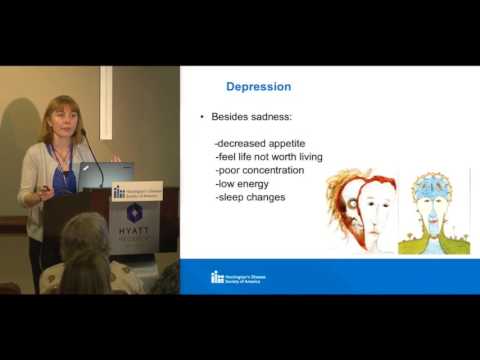
Hey! You know, life can feel pretty heavy sometimes. Like, seriously. If you’re juggling anxiety and depression, it can be overwhelming. It’s like you’re carrying this invisible backpack filled with rocks.
And then there are days when getting out of bed feels like climbing a mountain, right? But here’s the thing: you’re not alone in this struggle. Lots of people deal with these feelings, and there are ways to lighten that load.
Let’s chat about some real strategies that can help you manage those tough days and find a bit more balance in your life. Because honestly? You deserve to find some peace amidst the chaos!
Discover the Most Effective Treatments for Anxiety and Depression: A Comprehensive Guide
Anxiety and depression can feel like a heavy weight on your shoulders. Seriously, it’s like walking around with a backpack full of rocks. But the good news is that there are several effective treatments out there to help lighten that load. Let’s break down some of the most common and effective strategies for managing these feelings.
Therapy is often one of the first steps people take. There are different types, but Cognitive Behavioral Therapy (CBT) is pretty popular. What happens in CBT is you work with a therapist to identify negative thought patterns and learn how to challenge them. For instance, if you often think “I’m not good enough,” CBT helps you reframe that thought into something more positive. It’s like changing the channel on a radio when it just won’t stop playing a sad song.
Another option is medication. This can include antidepressants or anti-anxiety meds, depending on what you’re dealing with. Antidepressants like SSRIs (selective serotonin reuptake inhibitors) work on balancing chemicals in your brain, which might help lift your mood over time. But remember: if you go this route, it’s super important to talk to a doctor about what feels right for you.
Then there’s mindfulness and meditation. It sounds all zen-like, but hear me out: mindfulness can help ground you when anxiety spikes or when sadness creeps in. It teaches you to focus on the present moment instead of getting lost in spirals of worry or regret. There are tons of apps and online resources for guided meditation; it might feel awkward at first, but stick with it!
Let’s not forget about lifestyle changes. Your daily habits can influence how you feel mentally as much as anything else. Regular exercise? Big mood booster! Even just going for a walk can release those lovely endorphins that naturally lift your spirits. Plus, getting enough sleep and eating well plays a huge role too—you’d be amazed at how much better balanced meals can make you feel.
Incorporating social support into your life can really help tackle anxiety and depression as well. Talking with friends or family members—even casual chats—can provide comfort and connection when things get tough. Don’t underestimate how powerful just sharing what you’re going through can be.
Sometimes combining these strategies works best—a little therapy here, maybe some medication there, plus solid support from loved ones and taking care of your body. That combo could be the secret sauce for feeling better.
Ultimately, everyone’s journey looks different when it comes to managing anxiety and depression. What works wonders for one person might not do much for another, so keep exploring until something clicks for you! You deserve to feel lighter and more at ease; don’t hesitate to reach out or experiment until you’ve found your path forward.
Empowering Strategies to Thrive While Managing Anxiety and Depression
Managing anxiety and depression can feel like you’re stuck in a fog that just won’t lift. But there are empowering strategies that can really help you find your way through. Seriously, it’s not just about the tough days; it’s also about discovering what works for you. Here’s the deal—let’s talk about some effective ways to cope.
First up, routine. It might sound boring, but having a daily schedule can provide some structure when life feels chaotic. Try to wake up and go to bed at the same time every day. Just think about how grounding that can be! You know, like having a space where things feel a bit more manageable.
Also, let’s talk physical activity. Getting your body moving is huge for mood improvement. Even a quick 10-minute walk can release those feel-good hormones called endorphins. And hey, if running isn’t your jam, that’s cool! You could dance in your living room or do yoga on your living room floor—whatever gets you moving!
Then there’s mindfulness and meditation. These practices help you stay in the moment instead of spiraling into anxious thoughts or past regrets. Even if it seems weird at first, giving yourself just five minutes to breathe deeply and focus can bring a surprising calmness. It’s like hitting the reset button on your brain!
Another powerful tool is scheduling breaks. Our brains aren’t designed to work nonstop—whoever thought that was a good idea? Take short breaks during tasks to recharge your mental batteries! Grab some water or step outside for fresh air; this tiny shift can make a big difference.
Don’t overlook social support. Surrounding yourself with people who understand what you’re dealing with is vital. Whether it’s friends, family, or even an online community—talking things out helps! Just sharing how you feel can lift some weight off your shoulders.
And then there’s journaling, which is kind of like chatting with yourself but on paper. Writing down what you’re feeling gives those jumbled thoughts somewhere to go instead of hanging around in your head all day long. Plus, looking back at what you’ve written over time shows growth and progress.
Finally, consider reaching out for professional help if things get overwhelming—like seriously overwhelming. Therapy can provide insights that you’re not seeing on your own. It doesn’t mean you’re weak; it means you’re taking steps toward being stronger.
So yeah, while managing anxiety and depression might not be easy-peasy all the time, these strategies give you tools to navigate through the rough patches. Remember: it’s totally okay to seek help when life feels heavy—you don’t have to do this alone!
Effective Strategies to Overcome Depression and Silence Overthinking
So, you know, dealing with depression and that annoying voice in your head that just won’t shut up can be really tough. Overthinking is like this constant buzz that makes everything feel heavier, right? But there are some effective strategies to help you manage those feelings and reclaim your peace.
First off, let’s talk about routines. Creating a daily schedule can be a lifesaver. When everything feels chaotic, having a plan can give you a sense of control. It’s like, imagine waking up and knowing exactly what’s next. You might start small—maybe a morning walk or even just setting aside time to enjoy breakfast without distractions. It helps set the tone for your day.
And then there’s exercise. Seriously, moving your body is powerful. Whether it’s a brisk walk, yoga, or even dancing around your living room to your favorite songs—exercise releases those feel-good chemicals in your brain called endorphins. I remember when my friend started just taking short walks outside; it changed her mood completely! She’d come back feeling lighter and more focused.
Meditation is another tool to add to your belt. This might sound cliché, but mindfulness meditation helps you tune into the present moment instead of getting lost in overthinking. You could try sitting quietly for five minutes each day—just focus on your breath. Trust me; it feels weird at first, but it gets easier over time and can really help clear out the mental clutter.
- Journaling is super helpful too. Putting pen to paper can be cathartic! Write down what you’re feeling or any racing thoughts you have. It lets you get them out instead of keeping them all bottled up inside. Some people even find prompts helpful—you know, like “What made me smile today?”
- Social connections matter more than we often realize. Talk to someone—a friend or family member—about how you’re feeling. Sharing what’s going on can lighten the load and help you gain perspective on things that seem overwhelming when they’re stuck in your head.
- Limiting screen time, especially on social media, can reduce feelings of inadequacy that fuel overthinking and depression. It’s easy to compare yourself to others online; cutting back can do wonders for your mental health.
- Adequate sleep is crucial! It’s amazing how much clarity comes from getting enough rest each night. Aim for about 7-9 hours if you can—it really does affect how we handle stress and emotions during the day.
You might want to consider professional help if these strategies aren’t cutting it or if things feel too heavy to handle alone. Therapy isn’t just for “worried” people; it offers tools tailored just for *you*. Talking things through with someone trained can be life-changing!
The bottom line is this: Overcoming depression and silencing overwhelming thoughts takes patience—and it’s okay if things don’t change overnight! Start with one strategy at a time until something clicks for you.
A little bit of effort every day goes a long way toward improving overall well-being! So don’t give up, alright?
Feeling overwhelmed by depression and anxiety is, like, a pretty common experience. Seriously, it’s like everyone I know has dealt with it in one way or another. You might wake up some days feeling like an elephant is sitting on your chest, and other days, it’s just this constant cloud hanging over you. I remember chatting with a friend who went through something similar. They said that just getting out of bed felt impossible sometimes. I think we can all relate to that struggle.
So, let’s talk about some ways to manage those heavy feelings because, trust me, there are strategies that can make a real difference. Now, I’m not saying there’s a magic cure or anything, but trying out different approaches can really help lighten the load.
First off, talking about what you’re feeling is huge. Seriously! Whether it’s with friends or family or even a therapist—just finding someone to share your thoughts with can be so freeing. You might feel less isolated and more understood when you realize others have gone through the same stuff.
Another important thing is moving your body every now and then. It doesn’t mean you have to sign up for a marathon or anything wild; just going for a walk or dancing in your living room can work wonders. It’s all about those endorphins! They’re like little mood boosters that help lift your spirits.
Mindfulness and breathing techniques are also worth trying out! Just taking a few moments each day to breathe deeply can ground you in the present moment—and boy, does that help when your mind starts racing with worry.
And hey, don’t forget about getting enough sleep! When you’ve had enough rest—even if it’s not perfect—you’re better equipped to handle whatever life throws at you. Trust me on this one; lack of sleep just adds fuel to the anxiety fire.
Lastly, keep in mind that it’s totally okay not to be okay all the time. We put so much pressure on ourselves to be happy all the time—it honestly makes things worse sometimes. Accepting where you’re at right now can be such a relief.
So yeah—finding what works for you may take time and experimentation—and that’s alright! The journey might be bumpy at times but hang in there; you’re definitely not alone in this experience.