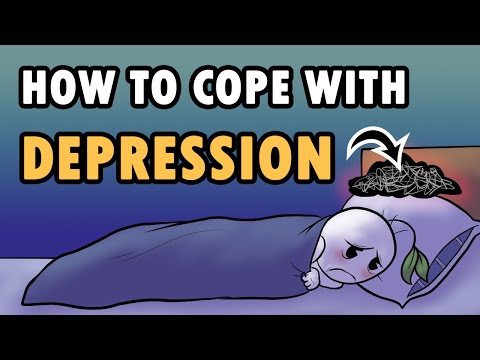
Hey there! So, let’s chat about depression. It can be a total drag, right? One minute you’re feeling kinda okay, and the next you’re in a funk that just won’t budge.
You know what I mean? It’s like trying to swim with weights around your ankles. Super frustrating. But here’s the good news: there are ways to tackle it head-on.
Seriously! It’s not all doom and gloom. Sometimes it takes just a few simple tricks to lift your spirits. So, if you’re ready to kick this thing to the curb, let’s dive right in and explore some practical strategies together!
Effective Strategies to Overcome Depression: A Comprehensive Guide
Feeling stuck in a rut can be really tough. Depression can make everything seem like a giant uphill battle, but there are definitely ways to help lighten that load. Let’s break down some effective strategies to overcome it, okay?
1. Talk It Out
Sometimes, just getting stuff off your chest feels like lifting a weight. Talking to someone you trust—like a friend or therapist—can really help you process what you’re feeling. You might find that just sharing those heavy thoughts makes them feel less daunting.
2. Get Moving
Exercise might sound cliché, but it really works! When you move your body, your brain releases all those funky chemicals like endorphins that can boost your mood. Even going for a walk around the block can make a difference.
3. Establish Routines
Create some structure in your day-to-day life. When depression takes hold, it’s easy to let everything go and fall into chaos. A simple morning routine could help keep things grounded; maybe have breakfast at the same time every day or set aside 15 minutes for reading.
4. Challenge Negative Thoughts
This might sound easier said than done, but it’s totally possible! When negative thoughts pop up, try questioning them. Ask yourself if they’re really true or if there’s another way to look at things. This takes practice but stick with it!
5. Connect with Nature
You’d be surprised how much fresh air and greenery can do for you! Try spending time outdoors when you can—maybe read under a tree or just sit outside for a bit and soak in the sun.
6. Set Small Goals
Aim small! Break tasks down into bite-sized steps so they don’t feel overwhelming. Instead of saying “I’ll clean the whole house,” maybe just tackle one room or even one corner of a room first.
7. Monitor Your Sleep
Lack of sleep can mess with your mood big time! Try setting up some healthy sleep habits—like going to bed and waking up around the same time every day—and make sure your sleep environment is comfy and quiet.
8. Nourish Your Body
You know that saying, “You are what you eat”? Well, kind of! Eating nutritious foods can actually impact how you feel mentally too. Aim for balanced meals with fruits, veggies, whole grains, and proteins when you can.
9. Limit Alcohol and Caffeine
I get it—sometimes we lean on these substances during tough times, but they might actually worsen depression symptoms over time! Consider dialing back on how much you’re consuming.
10. Seek Professional Help
Getting support from professionals is super important too! Therapists or counselors have tools and strategies that could meet your specific needs.
Each person is different (which is totally normal), so what works for one person might not work for another—you know? Just don’t hesitate to reach out if things start feeling too heavy; help is always available!
Exploring 5 Effective Treatments for Depression: Your Guide to Mental Wellness
Depression can feel like a heavy fog that just doesn’t lift. It’s tough, and finding the right treatment is a personal journey. There are various approaches that have been shown to help manage and reduce symptoms effectively. You may consider some of these options:
- Therapy: Talking to someone can be incredibly helpful. Two common types are Cognitive Behavioral Therapy (CBT) and Interpersonal Therapy (IPT). With CBT, you work on changing negative thought patterns. IPT focuses on improving relationships which can often affect mood. Imagine sitting down with a therapist who helps you untangle your thoughts—it’s kind of like sorting through a messy closet.
- Medications: Antidepressants are often prescribed to help balance chemicals in the brain that affect mood. Common ones include SSRIs like fluoxetine (Prozac) or sertraline (Zoloft). It’s not an instant fix; it might take a few weeks to notice benefits, but it can stabilize your mood over time.
- Lifestyle Changes: Simple things like regular exercise, healthy eating, and good sleep hygiene can make a huge difference. For instance, exercising releases endorphins—those feel-good chemicals—which can naturally boost your mood! Even just a daily walk outside can clear your head.
- Mindfulness and Meditation: These practices involve being present in the moment and accepting it without judgment. Starting with just five minutes of deep breathing or guided meditation each day could really help calm racing thoughts. A friend of mine swears by her morning meditation routine—it’s become her quiet space.
- Support Groups: Connecting with others who understand what you’re going through is powerful. Sharing experiences and feelings in a safe environment can lessen feelings of isolation. Many communities offer local support groups or even online spaces if you prefer something from home.
But remember, everyone’s experience with depression is unique! What works for one person might not work for another, so it’s all about finding what clicks for you. It might take time—like trying a few things before landing on the right combination. And seriously… don’t hesitate to reach out to professionals for guidance along the way because you’re definitely not alone in this!
Effective Strategies to Combat Stress and Depression: Boost Your Mental Well-Being
Stress and depression can feel like a heavy backpack you just can’t take off. It’s tough, and sometimes you might think there’s no way out. But seriously, there are ways to lighten that load, little by little.
First off, **staying active** is huge. You don’t need to run a marathon or lift weights like a pro—just get moving! Even going for a walk can really help clear your mind and boost those feel-good chemicals in your brain called endorphins. Think about last time you went outside; it probably felt pretty refreshing, right?
Another thing is connecting with people. Yeah, I know—it can be tempting to curl up under a blanket and binge-watch TV when you’re down. But reaching out to friends or family can really make a difference. Shoot them a text or grab coffee together! You’re not alone in this.
Then there’s **mindfulness and meditation**. It sounds fancy but really, it’s about being present in the moment without judgment. You could try simple breathing exercises—like taking deep breaths for a few minutes while focusing on the air moving in and out of your lungs. It sounds simple, but it works wonders for managing anxiety and stress!
Also important? Eating well! What you put into your body matters more than you think. Foods rich in omega-3 fatty acids—found in fish or flaxseed—can help fight depression. Plus, staying hydrated is key too! When was the last time you drank enough water?
Getting enough sleep is just as vital too. And let me tell ya: scrolling through your phone at night doesn’t count as winding down! Setting a regular sleep schedule helps train your body to recognize when it’s time to sleep.
Lastly—and this one might be hard—don’t hesitate to seek professional help if things get overwhelming. Talking to someone who gets it can change everything.
So here’s a quick rundown of effective strategies:
- Stay Active: Regular movement helps boost mood.
- Connect with People: Reach out for support; isolation makes things worse.
- Mindfulness/Meditation: Simple breathing exercises can calm the mind.
- Eat Well: Focus on nutrition; foods can affect mood.
- Get Enough Sleep: A regular schedule promotes better rest.
- Seek Professional Help: Therapy or counseling offers guidance.
To wrap this all up, remember that tackling stress and depression isn’t about making huge changes overnight; it’s more about those small steps over time that add up. You got this!
Dealing with depression can feel like you’re stuck in a fog, right? Everything seems heavy and gray, and sometimes it’s just hard to see the light. I remember a time when I felt like that—a couple of years ago, actually. I was going through a rough patch, and even getting out of bed felt like climbing a mountain. It’s in those moments that you really start searching for something—anything—that can help.
So here’s the thing: while there are often no quick fixes for depression, there are definitely practical strategies that can help lift some of that weight. It’s about finding what feels right for you, you know?
First up, let’s talk about getting moving. Exercise can sound like such a cliché recommendation, but honestly? It works! Just a short walk outside or doing some simple stretches at home can release those endorphins—your brain’s natural mood lifters. It doesn’t have to be an intense workout; even just dancing around your living room with your favorite tunes can boost your spirits! Seriously, try it sometime.
Next, consider reaching out to someone—like really talking to a friend or family member about how you’re feeling. You’d be surprised at how much sharing helps lighten the load. I once called my best friend on one of my low days and honestly letting it all out made me feel so relieved—even if just for that moment.
And then there’s the power of routine. Creating small daily habits can add structure to those days when everything feels chaotic and unpredictable. Simple things like making your bed every morning or scheduling time for meals might not seem life-changing, but they build momentum! Plus, crossing off small tasks gives you that little boost of accomplishment.
Mindfulness is another biggie in fighting off those dark clouds. Meditation or simply taking deep breaths while focusing on the present moment can help clear your mind—even if it’s just for five minutes. There was this one time I sat outside just listening to birds chirping and feeling the sun on my face; it felt oddly grounding.
Lastly, don’t forget about professional help when things get tough. Therapists are trained to provide support tailored specifically for you. Finding someone who gets where you’re coming from can change everything—you’re not alone in this.
So yeah, these strategies might not wipe away depression entirely overnight (if only!), but they sure can give you tools to cope better each day. Remember that it’s completely okay to seek support; we all need each other sometimes, and that’s totally normal!