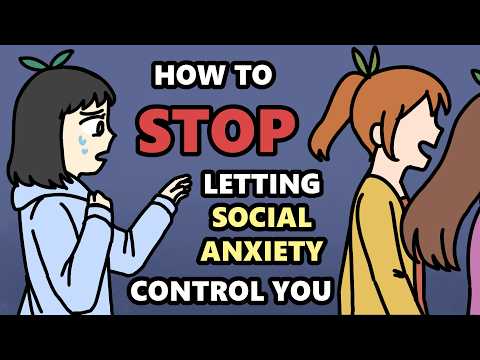
Social anxiety can be a real pain, right? You’re not alone if you’ve ever felt that gut-wrenching dread before a party or presentation. It’s like your brain hits the panic button over the smallest things.
I remember this one time, I had to give a speech in class. My palms were sweaty, heart racing—classic anxiety vibes. And I could practically hear my inner voice screaming “What if they don’t like me?”
But here’s the thing: there are ways to tackle that anxiety head-on. Simple strategies that can really help you manage those challenges.
So, let’s chat about some of these effective approaches. You might just find something that clicks for you!
Effective Strategies to Overcome Social Anxiety Quickly and Boost Your Confidence
Social anxiety can feel like you’re carrying a heavy backpack filled with worries and fears, right? You know, the kind that makes your heart race when you’re just thinking about talking to someone new. But guess what? There are some effective strategies that can help you tackle those feelings head-on and boost your confidence.
First off, let’s talk about **exposure therapy**. This is basically when you face your fears in small, manageable steps. If walking into a crowded room makes you anxious, start by just standing outside for a few minutes. Then, maybe take a step inside but stay by the door. Gradually work your way up to mingling with others. It’s super important to be gentle with yourself during this process.
Another helpful strategy is **positive self-talk**. You know how we can be our own worst critics? Instead of saying things like “I’m going to embarrass myself,” try flipping the script. Tell yourself things like, “I’m capable and I can handle this.” It might feel cheesy at first, but it really helps shift your mindset over time.
**Mindfulness exercises** can be a game changer too. Seriously! Taking a moment to breathe deeply or focus on the present can cut through that anxiety fog. Try sitting quietly for a few minutes and notice your breath. It’s amazing how little moments of calm can make a big difference.
Another thing to remember is **preparation**. If you’re heading into a social situation, think about some topics you could bring up in conversation beforehand—like movies you’ve seen lately or books you’ve read. Having these in your back pocket gives you more confidence since you won’t feel completely lost when it’s time to chat.
And hey, let’s not overlook **support systems**! Talking things out with friends or family who get it can provide so much relief. They might even give you tips based on their own experiences! Surrounding yourself with understanding people makes facing social situations feel less daunting.
Also consider trying **role-playing**, especially if you have an event coming up that really freaks you out. Practice scenarios with someone you trust until it feels more familiar and less scary.
So yeah, overcoming social anxiety is definitely doable! It takes practice and patience, but every small win counts towards building up your confidence. You’ve got this!
Essential Coping Skills for Social Anxiety: Download Your Free PDF Guide
Social anxiety can feel like you’re stuck in a fog, right? It’s tough when the thought of social situations makes your heart race and your palms sweat. But there are some essential coping skills that can help you manage those challenges way better. Let’s break it down, shall we?
First off, one of the best things to do is practice deep breathing. It sounds simple, but it works wonders. Try taking a slow, deep breath in through your nose for four counts, holding it for four counts, and then exhaling through your mouth for six counts. Doing this helps calm down that racing heart and clears your mind.
Another useful skill is exposure therapy. Okay, that might sound fancy, but it’s basically about gradually facing what makes you anxious. Start small—hang out with a friend in a quiet cafe before tackling a big party. The idea is to build up your confidence bit by bit.
You might also want to work on those negative thoughts that pop up when you’re about to enter a social situation. It’s super common to think something like “Everyone will judge me.” But seriously? That thought isn’t helping! Try flipping it around: “I’m here to have fun and connect.” Challenge those thoughts whenever they crop up.
Speaking of connections, having a support system can make all the difference. Whether it’s a close friend or family member who gets what you’re going through or even an online group where people share similar experiences—don’t underestimate the power of talking things out.
Don’t forget about mindfulness, either! Practicing being present can reduce those racing thoughts about past events or future worries that come with social anxiety. You could try meditation or even just focus on one thing around you—like how the grass feels under your feet when you’re outside.
And hey, let’s not overlook self-care. Getting enough sleep, eating well, and fitting in some exercise are all key players in managing anxiety levels overall. When your body feels good physically, it’s easier to tackle those mental hurdles.
Lastly, consider jotting down your feelings in a journal. Writing helps process emotions—you get to spill everything onto the page without judgment! Plus, it gives you space to reflect on how you’ve grown over time.
So yeah, dealing with social anxiety isn’t easy—it takes time and practice but you’re definitely not alone in this fight. The more tools you add to your toolkit like these coping skills we just chatted about—the better equipped you’ll be when facing whatever social challenges come your way!
Comprehensive PDF Guide: Effective Treatment Plans for Overcoming Social Anxiety Disorder
Social anxiety disorder can feel like you’re stuck in a never-ending loop of worry and panic. It’s that constant fear of being judged or embarrassed in social situations. Seriously, it’s tough—like walking into a room where everyone is staring at you, even if they’re not. Let’s break down some effective treatment plans and strategies to help you tackle those pesky social anxiety challenges.
Cognitive Behavioral Therapy (CBT) is often the go-to method for treating social anxiety. This therapy helps you identify negative thought patterns and replace them with more realistic ones. It’s like giving your brain a little tune-up! You might find yourself practicing how to challenge those critical thoughts before stepping into a social situation.
Next up, exposure therapy can be super helpful too. It involves gradually facing the situations that make you anxious. For example, if talking to strangers makes your heart race, you could start by smiling at someone or making small talk in line at the coffee shop. Baby steps, right? Over time, these challenges become less daunting.
Mindfulness techniques, such as meditation or deep breathing exercises, are also great tools in your kit. These practices help ground you when anxiety starts creeping in. Imagine you’re feeling anxious before a party; spending a few minutes focusing on your breath could help calm that storm inside.
Don’t forget about medications. Sometimes therapy alone isn’t enough, and doctors might prescribe medications like SSRIs (selective serotonin reuptake inhibitors) to help manage symptoms. While meds aren’t for everyone and shouldn’t be the only solution, they can offer significant relief when used alongside other strategies.
Support groups can also be a game-changer. Being around people who understand what you’re going through takes off some of the pressure. Sharing experiences with others can foster empathy and connection—two powerful tools against social anxiety.
Setting realistic goals is essential too. Instead of pressuring yourself to give a speech in front of a large crowd right away, aim for smaller interactions first. Think about it: maybe start with joining a small gathering or participating in online forums related to your interests.
Lastly, keep journal reflections. Writing down your feelings after social events can provide insights into what went well and what didn’t—and that’s invaluable learning! It’s like having your own personal feedback loop that helps track progress over time.
Overcoming social anxiety isn’t just about jumping straight into the deep end; it’s about taking manageable steps toward comfort and confidence in those challenging situations you face every day. With support from treatments like CBT, mindfulness practices, exposure therapy, medication when needed, goal-setting, and community connections—you’re not alone on this journey!
You know, social anxiety can feel like this heavy backpack you’re carrying around all the time. I remember this one time I had to go to a party where I didn’t know many people. My heart was racing, and my palms were sweaty. Just thinking about walking into that room made me wanna hide under my bed!
But then I thought, wait a minute. There are ways to handle this, right? It’s not like I’m alone in feeling anxious about social situations, and honestly, everyone has their own way of dealing with it.
First off, breathing exercises can be super helpful. Like, simple stuff? Just taking a few slow breaths before you step into a situation can help calm those nerves. Picture yourself just inhaling confidence and exhaling the anxiety—sounds cheesy but it really works!
Another thing that helps is exposure therapy. It sounds fancy but basically, it means putting yourself in social situations little by little. So instead of jumping straight into a big gathering, maybe start with hanging out with one friend first. Build up your comfort level slowly.
And hey, practicing what you want to say ahead of time isn’t just for speeches or interviews! Did you know that? Rehearsing makes it easier when you’re actually in the moment because everything feels less jumbled-up in your head.
Of course sometimes distractions help too! If you focus on something else—like what’s going on around you rather than stressing about how you’re feeling—things can get way easier to manage.
Finally—and this one’s important—don’t forget that it’s totally okay to ask for support from friends or even professionals if things feel too heavy. You’d be surprised by how many people get what you’re going through and want to help.
So yeah, tackling social anxiety is definitely a journey filled with ups and downs—kinda like riding a bike for the first time! But with some strategies up your sleeve and maybe even some laughter along the way, it can feel more manageable over time.