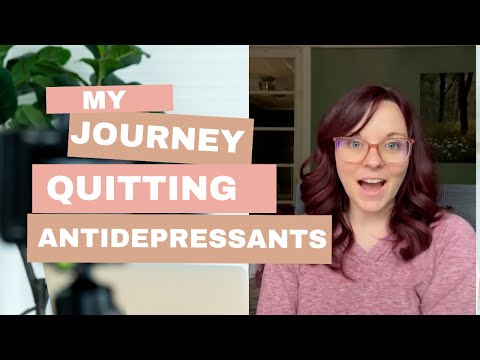
Hey, so let’s chat about something that can feel super tricky: weaning off SSRIs. You know, those meds that help many folks with anxiety and depression? Yeah, those.
So, picture this. You’ve been on them for a while and you’re thinking, “Hey, maybe it’s time to try life without these?” Totally valid thought! But it can also feel a bit daunting, right?
Like, how do you even start? What should you expect? Seriously, the journey isn’t always sunshine and rainbows. And guess what? You’re not alone in this.
Many have walked this path and have stories to share. So let’s break it down together—no judgment and just real talk about what it’s like to step away from the pills that helped you get through some tough times. Sound good?
Understanding SSRI Withdrawal: Key Phases and What to Expect
So, you’re thinking about weaning off SSRIs? That’s a pretty big step, and it’s important to know what you’re getting into. SSRIs, or selective serotonin reuptake inhibitors, are commonly prescribed for things like anxiety and depression. They can really help many people, but when it comes time to stop taking them, things can get tricky.
First off, let’s talk about what withdrawal looks like. It’s not the same for everyone, but there are some common phases you might experience. When you start reducing your dose or stopping altogether, you could feel a mix of physical and emotional symptoms. Here’s what often happens:
- Initial Changes: In the first week or so after cutting back, many people report feeling a bit “off.” This might include headaches or a sense of dizziness. You know that fuzzy feeling when you stand up too fast? Sort of like that.
- Emotional Ups and Downs: You could experience mood swings or irritability. One minute you’re fine; the next minute you’re crying over a commercial—yeah, it can be that sensitive.
- Physical Symptoms: Some folks notice flu-like symptoms or even nausea. It’s like your body is saying “Hey! Where are those meds?”
- Cognitive Effects: A lot of people mention “brain zaps”—that weird electrical shock sensation in your head as well as trouble concentrating. It’s like trying to read with distractions everywhere.
As you continue this journey through withdrawal, these symptoms may fluctuate. They might intensify at times and then fade away, which can be super frustrating.
Then there’s the timeline. The whole process usually takes a few weeks to months depending on how long you’ve been on SSRIs and your individual response:
- Weeks 1-2: This is often when those initial symptoms hit hard.
- Weeks 3-6: Symptoms may start to lessen but can still catch you off guard.
- Months 1-3: Many people see significant improvement by now but might still have moments where it feels tough.
Of course, everyone reacts differently! Some people sail through without much difficulty while others face more hurdles.
It’s also crucial to have a support system in place. You shouldn’t go through this alone—talking with friends or family can help lighten the load a little bit. And don’t hesitate to reach out to your doctor if things feel overwhelming; they can guide you through any challenges.
Finally, remember that withdrawal isn’t just about physical symptoms; it’s an emotional ride too. I once had a friend who was weaning off an SSRI after years on it. One day she felt completely fine; next day she was overwhelmed by everything from stress at work to just daily life stuff. It really drove home how unpredictable this process can be.
So really take care of yourself during this time! Whether that means talking openly about what you’re feeling or finding healthy distractions (like hobbies or exercise), every little bit helps ease the transition. Just hang in there; with time and patience, it does get better!
Understanding the Toughest Antidepressants to Discontinue: A Comprehensive Guide
Weaning off antidepressants, especially SSRIs (Selective Serotonin Reuptake Inhibitors), can feel like a daunting task. Perhaps you or someone you know is considering this journey. It’s important to understand that not all antidepressants are created equal, and some can be tougher to stop than others.
First off, let’s talk about why SSRIs are often prescribed. They’re meant to help balance the brain’s serotonin levels, which can lighten the mood and help with anxiety. Sounds good, right? But here’s the kicker: when it comes time to discontinue, things might get a bit tricky.
Why are they hard to stop? Well, many people experience withdrawal symptoms when they try to quit SSRIs suddenly. It can include feelings of dizziness, irritability, and even flu-like symptoms. These effects vary in intensity from person to person—like that one friend who always gets way too sick after a night out while everyone else’s fine.
Some SSRIs are known for being particularly challenging. Here’s a quick breakdown:
- Paroxetine (Paxil): This one has a reputation for causing withdrawal symptoms more intensely than others. Imagine having brain zaps—sounds wild, huh? That’s what some users report.
- Fluoxetine (Prozac): On the flip side, this is often said to be easier because it has a longer half-life. This means it stays in your system longer and allows for a smoother transition.
- Citalopram (Celexa): Some folks find this one tricky too, experiencing what they call «discontinuation syndrome.» It’s like your body reminding you it’s not ready for that change just yet.
Now think about your own experience with these medications or those around you. Maybe you’ve seen someone feel better while on them but struggle when trying to get off? That can feel really frustrating.
A big part of weaning off involves communication with your doctor. It’s crucial! Together you can create a plan that minimizes withdrawal symptoms—like slowly reducing the dose instead of stopping abruptly. Doing it this way helps your body adjust gradually.
And remember: you’re not alone in this journey! Lots of people have navigated the ups and downs of discontinuing antidepressants. Sharing experiences or seeking support from friends or support groups can make all the difference.
So if you’re thinking about weaning off an SSRI or helping someone else through it, keep these things in mind: Understand which medication you’re dealing with, communicate openly with healthcare providers, and take it slow when making changes. There’s no rush; it’s about finding what works best for you and ensuring you feel as comfortable as possible during the process.
Understanding Recovery: How Long to Feel Normal After Stopping SSRIs
Weaning off SSRIs (selective serotonin reuptake inhibitors) can feel like a wild ride, honestly. If you’ve been taking these meds for a while, you might wonder how long it’s gonna take before you feel normal again after stopping them. Let’s break this down a bit.
First off, everyone is different, right? Some people bounce back in a few weeks, while others might take months. It really depends on your body, the dosage, how long you’ve been taking them, and your individual brain chemistry. So the thing is—you’re not alone in feeling uncertain about this process!
When you stop taking SSRIs, your brain goes through some adjustments. Basically, these meds help boost serotonin levels, which affects your mood and emotions. Once you discontinue them, it might take time for your brain to recalibrate itself. This might be what they call “discontinuation syndrome,” which sounds intense but really just means you’re experiencing some withdrawal-like symptoms.
Some common symptoms when stopping SSRIs can include:
- Flu-like symptoms
- Insomnia or vivid dreams
- Anxiety or irritability
- Mood swings
- Fatigue or low energy
One thing to keep in mind: you don’t want to just stop cold turkey without guidance from your doctor. That could lead to pretty rough side effects. It’s usually better to taper down gradually—like easing off rather than slamming on the brakes.
Now about feeling “normal” again—sometimes people report feeling like their old selves within a month or so after stopping SSRIs. Others find that it takes longer—up to three months or even more—to stabilize and feel like they’re back on track. Your patience is gonna be key here.
Remember that recovery isn’t just a straight line; it’s more like a rollercoaster with ups and downs. You might have good days mixed with tough ones—that’s totally part of the journey!
Having supportive friends or talking to a therapist during this time can really help too. They can provide encouragement as you navigate this change and remind you that it’s okay to reach out when you’re struggling.
Ultimately, staying connected with your healthcare provider is essential throughout the process. They can help manage any withdrawal symptoms and support you in finding new ways to feel good if needed.
So hang in there! Recovery takes time but focusing on self-care routines—like healthy eating, exercise, and mindfulness practices—can make things easier along the way as well!
Weaning off SSRIs can feel like walking a tightrope sometimes. It’s not just about stepping away from a medication; it’s also about the emotional rollercoaster that comes with it. I remember a friend of mine who decided to taper off her medication after a couple of years. She was feeling like she was in a better place, or at least wanted to be. But as she started the process, things got tricky fast.
First off, let’s talk about what SSRIs even do. They help balance out the chemicals in your brain, right? So when you start weaning off them, your brain kinda goes, “Whoa! Where’d all that good stuff go?” And that might lead to some not-so-fun withdrawal symptoms like mood swings, anxiety spikes, or even physical stuff like headaches and nausea. Honestly, it’s kind of a lot to handle.
But back to my friend. She had days when she felt like she was on top of the world—like finally taking charge of her life! And then there were days when she felt so low that getting out of bed seemed impossible. The ups and downs were disheartening for her and honestly tough for everyone around her too.
And here’s where it gets real: her support system was crucial during this time. Talking openly with friends helped her articulate what she was feeling instead of trying to bottle everything up—because let me tell you, bottling it all up doesn’t work out well for anyone! Having friends check in on her made a massive difference.
It’s important to remember that if you’re thinking about weaning off SSRIs, working with a healthcare provider is key. They can help you create a plan that’s tailored just for you—like having a map on this wild journey. Going at your own pace is so vital because everyone’s experience is pretty unique.
So if you’re considering this path—or maybe you’re already on it—just know you’re not alone in this journey. Celebrate those small wins and give yourself grace on the tougher days. Seriously, it’s perfectly normal to feel unsure about everything! At the end of the day, it’s all part of figuring out what works best for your mental health and well-being.