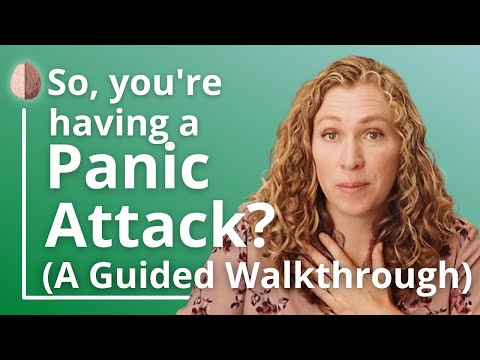
So, picture this: you’re sitting there, minding your own business, and suddenly BAM! Anxiety hits you like a ton of bricks. Like, where did that even come from?
It’s crazy how a week can feel like forever when you’re stuck in that anxious loop. You know the one—heart racing, thoughts spiraling, and all that fun stuff.
But hey, it doesn’t have to stay that way. Seriously! There are ways to ease the tension and find some relief.
Let’s chat about some strategies to help you get through those tough days. You’re not alone in this; we’ve all been there at some point or another!
Effective Strategies to Overcome a Week-Long Anxiety Attack: Reclaim Your Peace of Mind
Imagine being on a rollercoaster that just won’t stop. That feeling of your heart racing, palms sweating, and that overwhelming sense of dread? Yeah, that can be what a week-long anxiety attack feels like. It’s exhausting, draining, and totally unfair. So, if you’re stuck in this whirlwind of anxiety, let’s talk about some effective strategies to help you reclaim your peace of mind.
First off, it’s essential to acknowledge what you’re feeling. Seriously. Recognizing that you’re in the middle of an anxiety attack is the first step towards managing it. This doesn’t mean you shouldn’t feel what you’re feeling; it means you’re ready to take some action.
Deep breathing techniques can be a lifesaver. When anxiety hits hard, your body goes into fight-or-flight mode which messes with your breathing. Try this: inhale deeply through your nose for a count of four, hold for a count of four, then exhale slowly through your mouth for another count of four. Repeat this a few times and pay attention to how your body starts to relax.
Stay grounded with mindfulness exercises. Grounding techniques can help pull you back to the present moment when anxiety kicks in. One popular method is the 5-4-3-2-1 technique:
- 5 things you can see: Look around and notice objects around you.
- 4 things you can touch: Focus on textures like your shirt or the chair you’re sitting on.
- 3 things you can hear: Listen for background noise—cars passing by or birds chirping.
- 2 things you can smell: Maybe coffee brewing or flowers nearby?
- 1 thing you can taste: Pop something in your mouth or focus on the aftertaste of something you’ve eaten recently.
This little exercise really helps bring your thoughts back from overdrive into reality. Plus it’s kinda fun! It might sound simple but trust me—it works.
Create a routine. When everything feels chaotic inside, getting back to some structure helps ground you again. Set aside specific times for activities: eating meals, taking walks, or even just taking time out to chill with a good book or show. Routine can bring predictability back into an unpredictable time!
Talk it out!. Sometimes sharing what you’re going through with someone who gets it can lighten the load significantly. Whether it’s friends or family members or even chatting with a therapist online (that could be easier), talking makes those feelings feel less isolating and way more manageable.
Avoid caffeine and sugar. Yeah, I know—sounds like telling kids not to eat candy! But these things tend to boost anxiety levels if you’re already struggling. Try swapping out that coffee for herbal tea; it might just soothe those jitters a bit without adding fuel to the fire!
If all else fails and you’re still feeling overwhelmed after trying these strategies? It might be time to reach out for professional help because sometimes we need that extra support from trained folks who know how to guide us through rough patches better than we could alone.
The bottom line? You’ve got options! With patience and some practice using these techniques, reclaiming your peace is totally within reach—even during those tough weeks when everything feels heavy.
Understanding Panic Attacks vs. Anxiety Attacks: Key Differences Explained
Understanding panic attacks and anxiety attacks can feel like stumbling around in the dark, especially when you’re in the thick of it. It’s super common to mix them up, but they’re really different experiences. Let’s break it down.
Panic Attacks are intense bursts of fear or discomfort that come on suddenly. Seriously, you can be chilling one minute and then—bam!—your heart starts racing, you might feel dizzy, or even as if you’re losing control. They usually peak within 10 minutes and then fade. You know that feeling when you think you’re about to pass out? That’s part of it!
Now let’s get into some key features:
- Physical Symptoms: Your body goes haywire! Heart palpitations, sweating, shaking, trouble breathing… it can feel like a heart attack.
- Duration: These suckers hit hard but don’t last long; usually around 20-30 minutes tops.
- No clear trigger: A panic attack can strike without warning or a specific cause.
You might remember how Sarah felt when she was stuck in traffic. One minute she was just listening to her favorite song, and suddenly she couldn’t breathe; her heart raced as if it wanted out of her chest. When she got home, she felt completely drained.
On the flip side are Anxiety Attacks. These don’t usually hit with that wild intensity like panic attacks do. Instead of coming on suddenly, anxiety builds up over time. Think of it as an annoying little cloud that doesn’t leave.
Here’s what sets anxiety attacks apart:
- Sustained worry: It’s not just a momentary freak-out; it’s more about ongoing worries—work stress or relationship troubles.
- Physical sensations: While there are still symptoms like muscle tension and irritability, they’re often less severe than with panic attacks.
- Longer duration: You might feel anxious for days or even weeks at a time!
Remember Mark? He had this constant feeling of impending doom about his job performance. The pressure built day after day until one afternoon he just couldn’t shake the feeling anymore; that was more of an anxiety attack.
So yeah, both experiences are tough in their own ways! When coping with a week-long anxiety attack (which sometimes feels endless), trying some strategies can help ease the burden:
- Breathe deeply: Calm your body down by taking slow breaths—in through your nose for four counts and out through your mouth for six.
- Talk it out: Chatting with friends or writing in a journal can really help clear your head.
- Avoid caffeine: That cup o’ coffee can pump up those anxious feelings—steer clear if you’re feeling on edge!
In summary: if you ever find yourself confused between panic attacks and anxiety attacks, remember their key differences! Panic is sudden and intense while anxiety creeps in over time. Understanding this may lighten your load just a bit—and that’s something worth noting! Just know you’re not alone—you’ve got this!
10 Effective Techniques to Instantly Reduce Anxiety and Find Calm
Anxiety can really sneak up on you, huh? Sometimes, it feels like it’s just hanging around, making everyday stuff a challenge. So, how do you cope when that anxiety train starts rolling in? Let’s chat about some techniques that can help you chill out and find your calm when life gets a bit overwhelming.
1. Deep Breathing: It’s amazing how something so simple can pack a punch. When you’re feeling anxious, try taking slow, deep breaths. Inhale through your nose for a count of four, hold it for four, and then exhale through your mouth for another count of four. It’s like hitting the reset button on your mind.
2. Grounding Techniques: This one’s super handy. You might want to try the 5-4-3-2-1 technique where you identify: 5 things you can see, 4 things you can touch, 3 things you hear, 2 things you smell, and 1 thing you taste. It’s like bringing your focus back to reality instead of getting lost in your head.
3. Physical Activity: Seriously, moving your body releases endorphins—those feel-good hormones—which is like nature’s anti-anxiety pill! Whether it’s a brisk walk or dancing around the living room to your favorite tunes, get that body grooving.
4. Mindfulness Meditation: It sounds fancy but it’s just about being present in the moment without judgment. Find a comfy spot and focus on your breathing or listen to calming sounds or guided meditations. It helps clear that mental clutter.
5. Progressive Muscle Relaxation: This one’s kind of fun! Tense each muscle group for a few seconds and then relax them one by one—from head to toe or toe to head—whatever works for you. You’ll notice how much tension you’re holding onto without even realizing it!
6. Limit Caffeine and Sugar: Yeah, I know coffee is life for many people (no judgment here!), but caffeine can boost anxiety levels in some folks—plus sugar crashes aren’t great either! Think about swapping out that sugary snack or second cup of coffee for something more balanced.
7. Connect with Someone: Seriously, talking it out with friends or family makes a huge difference! Sometimes just voicing what’s bugging you can lighten the load significantly—not to mention sharing a laugh!
8. Write It Down: Journaling is such an underrated tool! Just get all those swirling thoughts down on paper; it can be super clarifying and help release some tension from those busy thoughts.
9. Use Aromatherapy: Certain scents—like lavender or chamomile—have calming effects on the mind and body. Whether through oils in a diffuser or just lighting a scented candle while chilling out at home—it’s worth trying!
10. Practice Gratitude: Shifting focus from worry to gratitude can be powerful! Each day, write down three things you’re grateful for—even if they feel small—they help open up space for positive thoughts amidst anxiety.
These techniques aren’t always instant fixes but they’re helpful tools in managing anxiety over time—you know? Give them a shot when that stress creeps up on ya; finding peace amid chaos is totally possible!
Experiencing a week-long anxiety attack? Wow, that’s like being trapped in a never-ending loop of worry and tension. I remember talking to a friend who went through something similar. She described it as feeling like she was constantly running a marathon, but instead of the finish line, there was just this relentless wave of panic. It’s tough, right? So let’s chat about some ways to cope with that.
First off, it’s super important to remember that you’re not alone in this. A lot of folks go through these intense periods when everything feels overwhelming. You might feel like you’re stuck in your own head, but reaching out for support can make a huge difference. Just having someone listen or share their own experiences can be comforting.
Now, when anxiety hits hard like that, grounding techniques can really help pull you back into the present moment. You know those moments when you’re just spiraling? Try focusing on your surroundings: what you see, hear, or feel under your feet. It sounds simple but it can really shift your focus away from those racing thoughts.
Another thing worth looking at is breathing exercises. Seriously! Taking slow deep breaths—like breathing in for four counts and then out for six—can help calm your racing heart and bring some relief. It might feel weird at first, but give it time; it often works wonders.
And please don’t underestimate the power of movement! Whether that’s going for a walk or dancing around your living room (who doesn’t love spontaneous dance parties?), getting your body moving helps release all that pent-up energy and stress.
Also, consider journaling about what you’re feeling. Jotting down those anxious thoughts can help put them into perspective; turning chaos into words somehow makes it less daunting. Just writing freely without worrying about grammar or spelling is sometimes all you need!
Lastly, if things become too much to handle solo—and they can—there’s no harm in reaching out to a professional who gets anxiety. Therapy can feel scary at first but having someone help guide you through those feelings is totally worth it.
Just remember: anxiety doesn’t define you even when it feels like it’s taking over your life—a week will pass eventually! And every little strategy you try is a step toward feeling better again. Keep hanging in there!