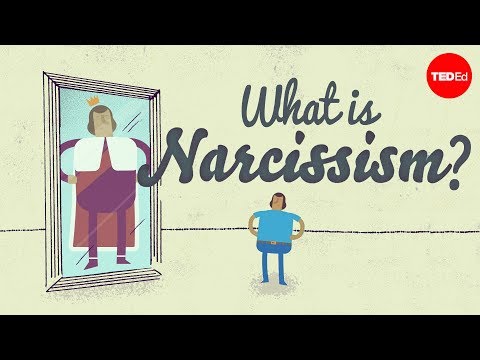
You know, narcissism is one of those things that really gets people talking. Like, what’s up with all those famous faces in history who just can’t get enough of themselves?
Seriously, it’s wild to think about. Some of these folks were leaders, artists, and even revolutionaries. But they had this huge ego, right? It’s like their confidence was off the charts.
Ever wonder what makes them tick? What goes on inside their heads that drives them to crave admiration? It’s bizarre yet super intriguing.
So let’s unpack the psychology behind these historical narcissists together. You might just find yourself surprised at what we discover!
Exploring the Link Between High IQ and Narcissism: Can Intelligent Narcissists Thrive?
So, let’s talk about this fascinating connection between high IQ and narcissism. It’s kind of a big deal in the psychology world, and honestly, it raises some really interesting questions. You might wonder if being smart somehow makes someone more prone to being narcissistic. And if that’s the case, can these intelligent folks actually thrive in life?
Narcissism itself is all about self-importance and a lack of empathy for others. Some people think it’s just a personality quirk, but it can have some serious implications on how someone interacts with the world. Now, when you throw a high IQ into the mix, things get juicy.
People with high IQs tend to have strong cognitive abilities—think creativity and problem-solving skills. This might sound great on paper, but what happens when those smarts blend with narcissistic traits? Well, you end up with someone who might really believe they’re the best at everything. And maybe they are! But that can lead to some pretty tricky social dynamics.
- Grandiosity: Intelligent narcissists often feel superior to others because of their intellect. This can create an inflated sense of self-worth.
- Lack of empathy: Mixing high IQ with narcissism means understanding complex ideas but failing to connect emotionally with people around them.
- Manipulative tendencies: Smart narcissists can use their intelligence to manipulate situations or people in their favor.
- Social isolation: Sometimes their arrogance leads them to push people away, leaving them feeling lonely despite their accomplishments.
An example comes from history: look at famous figures like Napoleon Bonaparte. He was undoubtedly intelligent and had remarkable military strategies under his belt. Yet he also displayed classic narcissistic behavior—his grandiosity led him into conflicts that ultimately caused his downfall. It’s like he couldn’t see how his ego was getting in the way.
You might be wondering if these intelligent narcissists actually thrive despite their quirky traits. The truth is yes—they often do find success in certain areas. Their intelligence brings opportunities, and they can charm people into following them or supporting their ideas.
But success doesn’t always equal happiness or fulfilling relationships. Just because you’re smart doesn’t mean you have emotional depth or warmth towards others—which are super important for lasting connections.
The key takeaway? While high IQ may give narcissists an edge in fields where intelligence shines—like business or politics—their interpersonal skills often lag behind. So yes, they can thrive professionally but may struggle personally.
This connection between high IQ and narcissism is still being explored by researchers today. There’s so much more to learn about how these traits interact and shape lives! If you think about it, it opens up a lot of questions about what we value: Are we putting too much weight on intelligence alone?
This whole dynamic is complex; it’s not just black-and-white. And while there are certainly risks involved for intelligent narcissists, there are also unique strengths that let them shine bright—even if they sometimes dim the lights for others around them.
Exploring the Psychology of Famous Historical Narcissists: Lessons from the Past
Exploring the psychology of historical figures often brings us face-to-face with some intriguing narcissists. You know, those people who just seem to have an inflated sense of self-importance? Let’s take a closer look at a few famous ones and what we can glean from their lives.
First off, let’s define narcissism. It’s not just about being vain or self-centered. In psychology, it’s often linked to a personality disorder that involves grandiosity, a need for admiration, and a lack of empathy. Think of it like having an emotional blind spot.
A classic example is Adolf Hitler. His need for power was staggering. He viewed himself as the savior of Germany. This self-image drove many decisions, leading to catastrophic consequences. His inability to see others’ suffering showed a serious lack of empathy. You can say he had tunnel vision that led to tragedy on an epic scale.
Then there’s Napoleon Bonaparte. Napoleon’s ambition was remarkable! He turned France into a powerhouse but also thought he was invincible. It was like he played chess with human lives. His ego propelled him to dominate Europe but eventually contributed to his downfall in Russia—because he underestimated the harsh conditions and overestimated his capabilities.
And let’s not forget Joseph Stalin. He had this overwhelming desire for control that turned lethal. Stalin’s paranoia led him to purge anyone he felt threatened by—including former allies! His legacy is one marked by fear and oppression, all stemming from this need for absolute power and recognition.
So what lessons can we take from these historical narcissists? Well, there are quite a few:
- Self-awareness is crucial: Understanding your motivations can prevent harmful behavior.
- Empathy matters: Being able to relate to others’ feelings is key in leadership.
- Balance ambition with humility: Chasing power isn’t inherently bad, but it needs checks.
- Crisis response is telling: How leaders respond in tough times reveals their true character.
In all honesty, studying these figures reminds us how unchecked narcissism can lead not just one person astray but entire nations too. The past isn’t just behind us; it teaches us about human nature today and the importance of empathy in leadership.
So keep these lessons close—whether you’re leading a team at work or just navigating social circles! Sounds simple, right? But the echoes of history remind us that it’s anything but easy when ego takes over.
Exploring History’s Most Infamous Narcissists: Lessons from the Lives of Notable Figures
Narcissism is, like, a pretty fascinating topic. And when we think about it in history, some of the most famous figures were, well, classic examples of narcissism. It’s like you can see how their traits shaped not just their lives but also the lives of those around them. So let’s dive into some notable figures and see what their stories can teach us about this personality trait.
First up is Adolf Hitler. Seriously, he’s often cited as one of history’s most notorious narcissists. His extreme self-importance and grandiosity drove him to pursue power relentlessly. He believed he was destined for greatness, which led to catastrophic decisions impacting millions. The lesson here? When you let your ego run wild without checks or balances, the consequences can be devastating.
Then there’s Joseph Stalin, another classic case. His paranoia and need for control left a trail of destruction and fear. Stalin’s manipulation of people was legendary; he surrounded himself with yes-men who fed into his grandiose self-image. This shows how dangerous can be when a leader’s self-worth relies on the subjugation of others.
Moving on to more modern times, we can’t forget Donald Trump. His tendency to boast about his achievements while downplaying failures exemplifies narcissistic traits in action. Trump’s ability to rally support despite controversial behavior raises questions about how society perceives narcissistic leaders.
And how could we overlook Pablo Picasso? While his art changed the world, his relationships often left chaos in their wake. Picasso had a knack for putting his needs before anyone else’s—taking advantage of women personally and professionally. This illustrates that narcissism doesn’t always lead to global havoc but can destroy personal relationships too.
But here’s an interesting point: being a bit narcissistic isn’t always negative; it can foster creativity and self-confidence! Picasso’s genius came from his unique perspective on life, but it also caused heartache for those around him.
What do all these figures have in common? Well:
- Grandiose sense of self: They all believed they were superior.
- Lack of empathy: Their needs often overshadowed others’ feelings.
- Manipulation: Using others to maintain their image or achieve goals.
- Charm and charisma: They drew people in with captivating personalities.
- Poor interpersonal relationships: Many suffered personal losses due to their actions.
These stories teach us that while some level of self-love or confidence is necessary for success, too much can distort reality and hurt those around you. It’s essential to balance ambition with empathy because unchecked narcissism tends to end badly—for everyone involved.
In summary, history’s infamous narcissists provide valuable insights into human behavior and leadership styles. Their legacies remind us that while aiming high is important, maintaining genuine connections with others is crucial for long-term success—both personally and socially. So next time you bump into someone who reflects these traits, remember: it’s not just about them; it’s about everyone affected by that ego too.
You know, when we think about narcissists in history, it’s hard not to picture some of those larger-than-life figures who shaped the world in their own way—like, seriously, how could you forget guys like Napoleon or even Cleopatra? Their tales often mix ambition, charisma, and a sprinkle of self-obsession. But what makes them tick? What’s going on in that brain of theirs?
Imagine walking through life believing you’re destined for greatness—like the universe just revolves around you. That’s kind of what it feels like for many narcissists. They often have this inflated sense of self-importance. But here’s the kicker: while it might look glamorous from the outside, that kind of thinking usually stems from some pretty deep-seated insecurities.
Take a look at history’s golden boy: Julius Caesar. He was brilliant on many fronts but had this insatiable need for validation. I mean, who wouldn’t want to be worshipped like a god? But part of that bravado probably masked his fear of inadequacy. It’s like an emotional armor—they act all mighty and powerful, but inside there might be a lot more vulnerability than they let on.
And then there’s Cleopatra—she wasn’t just beautiful; she had this captivating intellect and charm. But her dramatic love affairs and political maneuverings make you wonder if her identity was wrapped up in how others saw her. She had to maintain that image to keep her power and influence alive.
It’s interesting to think about how these narcissistic tendencies played out in their relationships too. Often, they can’t form genuine connections because they’re too busy being the star of their own show. You see a similar thread running through many famous narcissists; they might attract followers and admirers but struggle with real intimacy.
So yeah, it begs the question—were they just products of their time or was there something deeper driving them? Maybe it’s both. Society often elevates those who can sell themselves effectively, sometimes at the expense of genuine connection and empathy.
In a weird way, studying these historical figures kinda makes me think about our modern social media culture, where people are always crafting images for likes and followers. It’s wild how some patterns seem to repeat through time—the quest for significance might look different now but still hits some familiar notes.
Anyway, diving into their stories reveals so much about human nature itself—the complex mix of brilliance and fragility all tangled up together is fascinating!