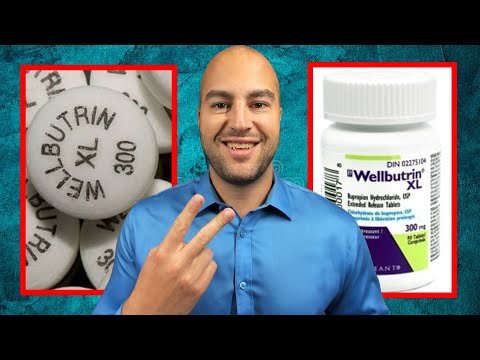
Alright, let’s chat about Wellbutrin, shall we? It’s one of those medications that you might’ve heard about if you or someone you know has been on a mental health journey.
So, here’s the deal—Wellbutrin, especially the 300mg XL version, can play a pretty significant role in treatment plans for folks dealing with depression or anxiety.
But it’s not just about popping a pill and calling it a day. There’s a lot more to it. The way it works in your brain is kinda interesting, if you ask me.
And hey, if you’re curious about how it feels to actually take it or what the side effects might be, I gotcha covered. Let’s break this down into real talk!
Understanding the Connection Between Wellbutrin and Headaches: What You Need to Know
Understanding Wellbutrin
So, let’s talk about Wellbutrin. It’s a prescription medication mainly used to treat depression and sometimes for ADHD. The generic name is bupropion, and it works differently than other antidepressants. Instead of affecting serotonin levels, it mainly influences dopamine and norepinephrine. This can make it a good choice for people who haven’t had success with other meds.
Headaches as a Side Effect
Now, about headaches. They’re actually one of the **possible side effects** of taking Wellbutrin. Not everyone will experience them, but you might notice them if you start or increase your dosage. It could be annoying, right? You just want to feel better!
When some folks start on 300mg XL, a common dosage, they might get headaches in the beginning. This can happen because your body is adjusting to the medicine. You know how sometimes when you change your diet or routine, you feel a bit off for a while? It’s kind of like that.
Why Do Headaches Happen?
The exact reason why Wellbutrin can cause headaches isn’t totally clear. Some thoughts are:
And if you’ve ever experienced stress headaches — yeah, they’re real! The extra anxiety from starting a new medication can also push things over the edge.
Your First Steps
If you start getting headaches after beginning Wellbutrin, don’t just suffer in silence! It’s important to check in with your doctor. They might suggest:
Sometimes it helps to keep a little diary of when these headaches happen so you have something concrete to discuss at your next appointment.
The Good News
Many people find that these initial side effects fade away after their bodies get used to the medication. It’s like breaking in a new pair of shoes; uncomfortable at first but then fits like a glove!
But hey—everyone’s different! What works for one person may not work for another.
In summary: Yes, headaches can happen with Wellbutrin 300mg XL due to various reasons related to how your body adapts to the med and external factors like stress and hydration levels. If they become an issue for you, definitely talk about it with your doctor; they’re there to help!
Exploring the Effects of Wellbutrin XL on Anxiety: What You Need to Know
So, let’s chat about Wellbutrin XL and how it plays into anxiety. You’ve probably heard of this medication, especially in the context of treating depression. But here’s where it gets interesting: some folks end up taking it for anxiety too.
Wellbutrin, or bupropion if you wanna get all scientific, is different from most antidepressants. Instead of the usual antidepressants that boost serotonin, Wellbutrin mainly targets dopamine and norepinephrine. This can lead to a unique balance for some people dealing with anxiety.
Now, when you think about how this medication affects anxiety, remember that it’s not a one-size-fits-all deal. Some people feel a lift in their mood and find their anxiety eases up, while others might not experience much change or even feel more anxious at times.
Here’s the thing: each person’s brain is unique, so reactions vary widely. For instance, I once spoke to a friend who was really struggling with social anxiety. After starting Wellbutrin, they felt like they had more energy and motivation to step out of their comfort zone. It was as if the fog began to lift for them.
But let’s not sugarcoat it either—some might experience side effects like increased restlessness or jitteriness when starting Wellbutrin. This could potentially worsen feelings of anxiety at first. It’s always good to keep in touch with your doctor during this period and discuss what you’re feeling.
Here are some key points about Wellbutrin XL and its role in mental health treatment:
- Dosage & Formulation: Wellbutrin XL is often prescribed in extended-release tablets, commonly starting at 150mg and moving up to 300mg.
- Anxiety Impact: Depending on the individual, it may improve symptoms for some but can heighten feelings for others.
- Common Side Effects: Insomnia or dry mouth are pretty common; those could impact your overall mood though.
- No Weight Gain: Unlike many antidepressants, Wellbutrin is often noted for not causing weight gain—a plus for a lot of people.
When considering medications like Wellbutrin XL for anxiety, always talk with a healthcare provider first. They’ll help you weigh the pros and cons based on your specific situation.
In short? Wellbutrin can be a useful tool in managing both depression and anxiety but isn’t guaranteed to work the same way for everyone. Stay informed! Keep that communication open with your medical team so you can find what really works best for you.
Understanding Bupropion: How It Affects Brain Chemistry and Mental Health
Bupropion is a medication that’s often used to treat mental health conditions, particularly depression and anxiety. You might know it by its brand name, Wellbutrin. It works a bit differently than other antidepressants, which makes it pretty interesting.
How does Bupropion work? Well, it mostly affects brain chemistry by targeting certain neurotransmitters—those are chemicals that help transmit signals in your brain. Specifically, bupropion boosts the levels of dopamine and norepinephrine. These two are key players when it comes to mood regulation and energy levels.
Imagine feeling low on energy just because your brain isn’t sending the right signals. That can be really frustrating! Bupropion helps to change that dynamic by increasing these neurotransmitters, which can lead to an improved mood and greater motivation.
What about side effects? With any medication, you gotta consider the potential downsides. Some people experience things like insomnia, dry mouth, or even headaches when they start taking bupropion. But here’s the thing: many folks tolerate it well and find that it’s worth the trade-off for how much better they feel mentally.
It’s also worth noting that bupropion has a somewhat unique profile compared to other antidepressants. For instance, unlike SSRIs (which are pretty common), there’s less risk of weight gain and sexual dysfunction with bupropion. That makes it a popular choice for those who might have had issues with side effects from other meds.
Why prescribe 300mg XL? Doctors often prescribe bupropion in extended-release form at 300mg because it allows for consistent release throughout the day. This means you get steadier coverage without spikes or drops in your mood or energy levels. Seriously, who wants mood swings on top of everything else?
But remember—before jumping into any medication regimen, talking to your healthcare provider is key. They will help you weigh the pros and cons based on your personal health history and needs.
In short, bupropion is a solid option for many people dealing with depression or anxiety issues. By boosting dopamine and norepinephrine levels in your brain, it can really help shift gears when you’re feeling stuck in a rut emotionally! Just keep the conversation going with your doctor so you can find what works best for you—and don’t hesitate to share if anything feels off when you start taking it!
So, let’s talk about Wellbutrin, specifically the 300mg XL version. It’s pretty interesting how this medication plays a role in mental health treatment, you know? A lot of people have found it helpful for depression and anxiety, but there’s more to the story than just a pill.
I remember a friend of mine who struggled with feelings of hopelessness and low energy. It was like watching someone slowly fade away. They tried different therapies and medications, but nothing quite clicked until they started on Wellbutrin. The change didn’t happen overnight—honestly, it took time. But eventually, my friend began to feel more like themselves again. You could see the spark returning in their eyes. It was heartwarming.
The thing about Wellbutrin is that it works differently than other antidepressants. So while many meds target serotonin (which is key for mood regulation), Wellbutrin primarily affects dopamine and norepinephrine—two neurotransmitters linked to motivation and pleasure. That’s probably why some folks find it gives them a nice energy boost too, which can be really beneficial if you’re dealing with that heavy fog of depression.
Of course, every medication comes with its quirks and not everyone responds to them the same way. Some might feel anxious or jittery at first; others might experience side effects like insomnia or dry mouth. It’s always a balancing act when finding what works best for you.
And let’s not forget about those moments when life feels overwhelming—even with medication or therapy in play. It’s so important to couple meds like Wellbutrin with other forms of support—like therapy or lifestyle changes—to really get the best outcome.
So if you or someone you know is considering Wellbutrin, just remember: it’s all about patience and communication with your healthcare provider. Finding the right path can be tough, but sometimes, it opens doors to rediscovering joy in life again!