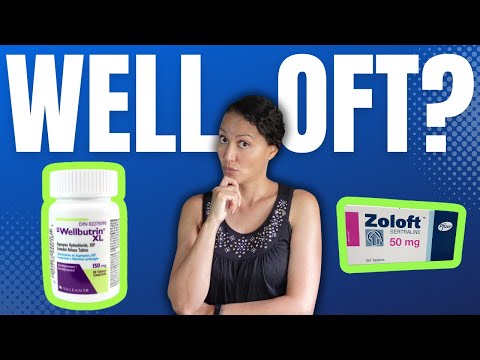
So, you’re juggling meds like Wellbutrin and Sertraline? Yeah, I see you. That can feel like a real balancing act, right? I mean, it’s not just about taking pills; it’s about feeling better and figuring out what works for you.
I remember chatting with a buddy who was overwhelmed by his mental health journey. He was up and down, trying different meds. It’s like a rollercoaster ride nobody wants to be on. Seriously! Sometimes it felt like he needed a manual just to navigate his own brain.
Wellbutrin and Sertraline each have their own vibe. They can help in different ways, but mixing them? That’s a whole other ballgame. You’ve gotta think about side effects and how they play off each other.
So let’s break this down together. We’ll talk about what these meds do, why they might make sense together, and how to find that sweet spot without losing your mind in the process! Sound good?
Exploring the Synergy: How Zoloft and Wellbutrin Work Together for Mental Health
Zoloft and Wellbutrin are like two sides of the same coin when it comes to treating mental health conditions. They often work together, bringing their unique strengths to the table. So, let’s break this down a bit.
Zoloft is a selective serotonin reuptake inhibitor (SSRI). It primarily helps boost serotonin levels in your brain. This can lead to improved mood, reduced anxiety, and generally feeling more balanced. It’s commonly prescribed for depression and anxiety disorders.
Then there’s Wellbutrin, which is actually an atypical antidepressant. It works differently than SSRIs by increasing levels of dopamine and norepinephrine. So, if Zoloft helps with feelings of sadness or worry, Wellbutrin might help with boosting energy and focus—kind of like giving you a motivational kick.
When combined, these medications can create a synergy that might enhance your overall mental health experience. Imagine you’ve got Zoloft calming your racing thoughts while Wellbutrin gets you out of bed in the morning. It’s a powerful combo!
However, it’s not all sunshine and rainbows. There may be side effects when taking these two together, like increased anxiety or jitteriness at first. That’s why it’s super important to communicate with your healthcare provider about how you’re feeling during treatment.
Now let’s talk about some key benefits when using Zoloft and Wellbutrin together:
- Comprehensive coverage: You tackle both emotional symptoms (thanks to Zoloft) and physical symptoms (with Wellbutrin).
- Lower risk of certain side effects: Sometimes, combining these medications might lower the chance of sexual side effects common with SSRIs.
- Flexibility in dosing: Healthcare providers can adjust dosages easily since they act on different neurotransmitters.
To paint a picture—think about someone named Jess who has been struggling with depression but also feels zapped of energy throughout the day. When Jess started on Zoloft alone, their mood improved a bit—but they still felt sluggish and unfocused. Then the doctor added Wellbutrin into the mix. Suddenly, Jess not only felt lighter emotionally but also had more get-up-and-go!
So basically, using both medications can help cover more bases than either one could alone—just remember that everyone reacts differently to meds! That’s why monitoring through regular check-ins with your provider is key while figuring out the best game plan for you.
It might take some time to find that perfect balance between Zoloft and Wellbutrin; patience is essential here! And always listen to what your body is telling you throughout this process; it’s all part of getting back on track for better mental health.
Exploring the Impact of Wellbutrin on Emotional Regulation: What You Need to Know
So, let’s talk about Wellbutrin and how it can mess with your emotions, you know? It’s often prescribed for depression and sometimes ADHD. But what’s interesting is its influence on emotional regulation. You might be wondering how exactly that works.
Wellbutrin, or bupropion, is a bit different from most other antidepressants. Unlike SSRIs like sertraline, which primarily boost serotonin levels, Wellbutrin mainly affects dopamine and norepinephrine. These are neurotransmitters that play a big role in mood and motivation. So when you take Wellbutrin, it can help lift your spirits by making those feel-good chemicals work better.
But here’s the catch: emotional regulation isn’t just about feeling good or less sad. It’s about managing all kinds of feelings—good ones and bad ones too. Some people find that while Wellbutrin helps with their overall mood, it can also cause some emotional ups and downs at first. You might feel like your emotions are a bit more intense or even harder to control, especially when you’re just starting it.
And if you’re balancing Wellbutrin with sertraline? That’s a whole other layer of complexity. Both medications are working on your brain in different ways, which could mean they’re either helping each other out or maybe creating some confusion in terms of how you feel day-to-day.
Here are a few things to keep in mind:
- Start Low, Go Slow: When combining these medications, docs usually start at lower doses to see how you react.
- Watch for Side Effects: Both drugs come with their own set of potential side effects—like anxiety or jitteriness from Wellbutrin, while sertraline might make you feel a bit tired.
- Individual Experience: Everyone’s brain is wired differently; some people might thrive on this cocktail while others could struggle with emotional regulation.
- Check-ins Matter: Regular chats with your doctor about how you’re feeling can help tailor the treatment more effectively.
I remember chatting with a friend who was in this exact boat—taking both meds for her anxiety and depression. At first, she felt awesome! More energy than she’d had in years because of the Wellbutrin boost. But then came the rollercoaster emotions; one minute she was laughing at silly memes online, and the next she was crying over an old movie—talk about whiplash!
So if you’re considering this combo or already on it but feeling kinda shaky emotionally, it’s totally worth discussing with your healthcare provider. They can help navigate through all these feelings and find what works best for you.
In short, understanding how Wellbutrin affects emotional regulation is crucial if you’re also using something like sertraline. It’s all about finding that sweet spot where both meds complement each other without sending your emotions into overdrive!
Effective Combinations: Pairing Wellbutrin with Natural Remedies for Anxiety and Depression
When we talk about mental health, it can get pretty complex, especially when it comes to medication like Wellbutrin and natural remedies. So here’s the deal: Wellbutrin is often prescribed for depression and to help with anxiety, and it works in a unique way. It primarily affects dopamine and norepinephrine, two important brain chemicals. But pairing it with natural remedies? That’s a conversation worth having.
First off, let’s be clear about Wellbutrin. People generally take it when they’re dealing with depression or want to quit smoking. It’s not your typical antidepressant; it doesn’t usually make you feel sleepy or gain weight like some others do. Instead, many find they have a bit more energy or motivation when on it. Pretty cool, right?
Now, mixing Wellbutrin with natural remedies can be beneficial, as some people find relief from their symptoms that way too. And if you’re thinking about doing this, there are a few options that might work well together:
- Omega-3 Fatty Acids: These guys are known for promoting brain health. Some studies suggest they can help fight depression and anxiety. You can find them in fish oil supplements or fatty fish like salmon.
- St. John’s Wort: This herb is often used for mild to moderate depression. But here’s the catch: it can interact with medications, including Wellbutrin, so you really need to check with your doc before using it.
- Magnesium: Low levels of magnesium are linked to anxiety and depression symptoms. Some people take magnesium supplements or eat foods rich in this mineral—like nuts and leafy greens—to help improve their mood.
- Aromatherapy: Essential oils like lavender are thought to have calming effects. While it’s not a cure-all by any means, some folks find that diffusing an oil helps them relax during stressful moments.
But wait—mixing things isn’t always smooth sailing! Your body’s chemistry is super sensitive. Just because something works wonders for someone else doesn’t mean it’ll work the same for you.
I remember chatting with a friend who was feeling overwhelmed by her anxiety despite being on Wellbutrin. She decided to try yoga along with her meds and saw some improvement in her overall mood! Yoga? Seriously! It sounds kind of simple but added that element of mindfulness she needed.
So if you’re thinking about pairing Wellbutrin with something natural like herbs or supplements, definitely chat with your healthcare provider first. It’s essential because they know your unique situation best and can help prevent any potential interactions.
In essence, finding the right combination takes time—what works for one person might not do much for another. And remember: mental health isn’t just about pills or potions; it involves lifestyle changes too! Keeping active, maintaining good sleep hygiene, and reaching out to supportive friends are all crucial parts of managing your mental wellness.
At the end of the day, taking charge of your mental health journey is key—but don’t hesitate to lean on both conventional medicine and natural remedies together when suitable!
Okay, so let’s chat about this combo of Wellbutrin and Sertraline. It’s one of those things that can feel a little like walking a tightrope, you know? Balancing these two meds can be tricky but also super effective for many folks out there dealing with, like, depression or anxiety.
So, picture this: You’re feeling kind of low. You go to see your doctor who’s like, “Hey! Let’s try Wellbutrin.” It’s great because it can help boost your energy and mood without the weight gain that some other meds might cause. But then maybe you’re still feeling those pesky anxious thoughts creeping in—or maybe you’re having trouble sleeping. That’s when Sertraline kinda comes into play. It’s an SSRI that helps with anxiety and mood swings.
Now, the thing is, balancing them is where the art comes in. Each person reacts differently to medications. One friend told me how she was on both after struggling for years. At first, she felt jittery—like she’d just chugged a pot of coffee after starting Wellbutrin. Then her doc tweaked her doses and voilà! She found that sweet spot where everything clicked.
But seriously, communication with your doctor is key here. If something feels off—like if you’re feeling too wired or super sleepy—it’s worth bringing it up! Your health care provider can adjust the dosages or explore other combinations until you feel more balanced.
But also keep in mind that it’s not just about the pills. Therapy plays a major role too! You know, having someone to talk through your feelings while you’re on this med journey helps connect all the dots in ways medication alone can’t sometimes.
In short, managing both Wellbutrin and Sertraline can lead to some pretty cool breakthroughs if done right. Just remember it’s a team effort involving your doc and maybe even a therapist too! Stay patient with yourself through this process; it takes time to find what really works for you.