You know how life can feel like a rollercoaster sometimes? One minute you’re up, the next you’re down. And for some folks, that ride includes medication.
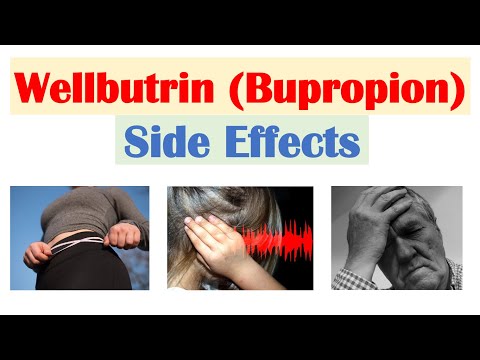
Take Wellbutrin, for example. It’s often prescribed for depression and anxiety, but it has this interesting side effect: it can really shake things up with your appetite.
Like, maybe you find yourself craving certain foods or not feeling hungry at all. It’s wild how our minds and bodies are linked, right?
So let’s chat about what’s going on with Wellbutrin and your appetite. We’ll dish out the details and see if we can make sense of it all together!
Understanding the Impact of Wellbutrin on Appetite: What You Need to Know
Alright, let’s talk about Wellbutrin and its impact on appetite. First off, it’s important to know that Wellbutrin, or bupropion, is an antidepressant that’s often prescribed for depression and anxiety. But, the thing is, it can also have some interesting effects on your appetite.
How Wellbutrin Affects Appetite
So here’s the scoop: many people have reported changes in their eating habits after starting Wellbutrin. For some, it might curb their cravings and help them eat less. This is actually one of the reasons why it’s sometimes used off-label for weight loss, you know?
On the flip side, others might notice an increase in appetite or cravings. So basically, you’re not likely to get a one-size-fits-all response when it comes to food. It kind of depends on your unique chemistry and how your body reacts to the medication.
Mood and Appetite Connection
Another thing to think about is how our moods relate to our eating patterns. If you’re feeling more low or anxious before starting Wellbutrin and then begin to feel better after a few weeks? You might find yourself wanting comfort foods more often. And that could trigger some changes in your appetite too.
It’s like I once knew this guy named Jake who struggled with his mood for years. When he began taking Wellbutrin, he felt less down but started craving snacks during those happy moments. That shift helped him feel good but also got him thinking about his overall eating habits.
Potential Side Effects
You should also be aware of possible side effects related to appetite while on this medication. Some folks experience nausea or dry mouth at first which can interfere with how much they want to eat. And honestly? That can throw anyone off their food game!
Everyone’s body reacts differently—some people get used to these side effects over time while others may not see much of a change at all.
Tuning Into Your Body
Listening to your body becomes super important when you’re on something like Wellbutrin. Are you feeling hungrier than usual? Or are you forgetting meals because you’re just not interested in food anymore? Keeping track can really help you figure out if what you’re experiencing is normal for you during treatment.
And if cravings start driving you nuts? It could be worth chatting with your doctor or therapist about it.
When To Seek Help
If your appetite changes drastically—for better or worse—don’t hesitate to check in with a professional. They can help determine if it’s related directly to the medication or something else going on in your life.
So yeah, understanding how Wellbutrin impacts appetite is key for navigating its effects on mental health. The way it hits different people serves as a clear reminder that mental health treatments can be pretty personal journeys!
Exploring the Emotional Side Effects of Wellbutrin: What You Need to Know
Wellbutrin, or bupropion, is often prescribed to help with depression and anxiety. It’s also used to aid in smoking cessation. But like all medications, it can come with some emotional side effects that you might want to know about. Let’s break it down a bit.
So, when you start on Wellbutrin, your body goes through changes. This med works mainly by affecting the neurotransmitters in your brain—specifically dopamine and norepinephrine. What that means for you is a potential boost in mood, but sometimes it can lead to a rollercoaster of emotions.
Firstly, some people report feeling more anxious than usual. You know how you can get jittery when you’re stressed? Well, Wellbutrin can ramp that feeling up a notch for some folks. It’s like your mind has too many tabs open at once.
You might also notice mood swings. One moment you’re feeling great; the next, everything feels heavy again. It’s super confusing and not what anyone signs up for when they seek help with their mental health.
And then there’s irritability. Picture this: something minor happens—maybe someone cuts you off in traffic—and your reaction is way over the top. That could be a side effect kicking in, making everyday annoyances feel major.
Another thing worth mentioning is changes in appetite. This medication might make some people lose interest in eating while others could find themselves craving food more than before. Imagine going from constantly reaching for snacks to not really wanting anything at all—you totally could go from one extreme to the other.
It’s not unusual for some individuals to feel depersonalization or emotional numbness while on Wellbutrin. Basically, it’s like watching life through a foggy glass—everything feels a little distant or muted. For example, if you used to get excited about Friday night plans with friends but now find yourself feeling blah about it, you’re not alone.
These emotional side effects can play out differently from person to person because everyone’s body chemistry is unique. That’s why it’s super important to keep an open line of communication with your doctor or therapist as you navigate this journey.
If you notice these feelings getting overwhelming or haven’t discussed them yet with your prescriber, do so! They might adjust your dosage or suggest switching meds altogether if it turns out Wellbutrin just isn’t the right fit for you.
In summary:
- Anxiety levels may increase.
- Mood swings can occur.
- Irritability might rise.
- Appetite changes are common.
- You could experience emotional numbness.
The key takeaway? Pay attention to how you’re feeling as these changes happen and don’t hesitate to reach out for support when needed!
Understanding Wellbutrin: How Long Does It Suppress Appetite and What to Expect
Wellbutrin, or bupropion, is an interesting medication. It’s primarily used to treat depression and anxiety, but many people notice a change in their appetite, too. So, let’s break it down.
How does Wellbutrin affect appetite? Wellbutrin affects neurotransmitters in the brain like dopamine and norepinephrine. These chemicals play a big role in mood regulation and can influence your feelings of hunger. Some people find that their appetite decreases while taking it, which can be a relief if overeating has been an issue.
So how long does this appetite suppression last? Well, it’s not the same for everyone. For some folks, the effect kicks in fairly quickly—like within the first week of starting the medication. However, for others, it might take a little longer to notice any changes.
Typically, initial appetite changes may wear off over time as your body gets used to the drug. You might find that after a month or two on Wellbutrin, your hunger levels stabilize back to normal—or they might stay lower if you’re one of those who continue feeling less hungry over the long haul.
A few key points about what to expect:
- You may feel less hungry at first.
- This effect can vary from person to person.
- Long-term users often report mixed experiences regarding appetite.
- Keep an eye on any significant weight loss or gain.
And here’s something important: although this could be great if you’re trying to manage your weight, don’t ignore your body’s signals. If you’re finding eating is becoming stressful or uncomfortable because of decreased appetite, reach out to your doctor. They might help adjust your dosage or suggest other options.
I remember chatting with a friend who started on Wellbutrin after struggling with their mood for years. They said at first they felt more energized and less hungry—almost like food wasn’t a priority anymore! But about six weeks in, they noticed they were wanting snacks again during movie night. It was just their body getting used to everything.
So, let’s chat a bit about Wellbutrin and how it messes with your appetite. You know, it’s one of those antidepressants that seem to have a mind of its own when it comes to reshaping the way you eat.
First off, Wellbutrin is often prescribed for depression and anxiety, but one thing that stands out is that it might actually suppress your appetite. I remember a buddy of mine started taking it to deal with some pretty heavy stuff. At first, he was feeling more upbeat, which was great! But then he realized he wasn’t really hungry anymore. Like, at all. He’d skip meals and just didn’t feel like eating. It was kinda bizarre because he used to love food—especially pizza nights with friends.
Now, not everyone has the same experience with meds, so don’t think this will happen to you or someone else you know if they start taking Wellbutrin. Some people actually report having an improved mood and a side effect that’s a little different—like weight gain or feeling hungrier.
The thing is, changing your appetite can be confusing and even alarming. When food isn’t calling your name anymore, it’s easy to spiral into thoughts about whether you’re doing okay or if something’s wrong. It can totally mess with your relationship with food and make meal times feel like a chore instead of something enjoyable.
But here’s the kicker: If you’re noticing these changes while on Wellbutrin—or any medication for that matter—it’s super important to talk about it. It’s like having a little heart-to-heart with your doctor or therapist about what’s going on in your life. They can help find strategies tailored just for you because everyone reacts differently!
In the end, managing mental health isn’t just about taking pills; it’s also about nurturing yourself as a whole person—mind and body. If you’re not feeling right about how you’re eating or if it’s affecting your joy in life (like pizza night!), don’t shy away from reaching out for support.