Hey there! So, let’s chat about Wellbutrin. You know, that medication people sometimes take for depression or anxiety?
It’s interesting how it works in the brain. Seriously, it’s not just a simple fix. There are some long-term effects that we should talk about.
I mean, can you imagine what happens to your brain over time? It’s pretty wild.
Some folks love how it helps them feel focused and energized, while others have their doubts. But like, what does this all mean for mental health down the road?
Let’s dig into the nitty-gritty together!
Exploring the Link Between Wellbutrin and Mental Health Issues: What You Need to Know
Wellbutrin, also known as bupropion, is an antidepressant that’s often prescribed for depression and to help with quitting smoking. It’s kind of unique compared to other antidepressants. Like, it mainly works on dopamine and norepinephrine—two neurotransmitters that play a big role in mood and motivation.
Long-term effects on mental health can be a bit of a mixed bag. Some folks find it really helpful in lifting their mood over time, while others might notice some not-so-great changes. So, what exactly happens?
- Mood improvements: Many people experience significant relief from depressive symptoms. It can help boost energy and motivation.
- Side effects: Like all medications, Wellbutrin can come with its own set of side effects, including anxiety or insomnia for some people. Those effects could linger even after stopping the medication.
- Risk of seizures: There’s a higher risk of seizures at higher doses, especially if you have certain conditions or are withdrawing from alcohol or sedatives.
- Cognitive effects: Some users report improved focus and clarity. However, this isn’t universal—others may feel foggy or less sharp over time.
It’s important to remember that everyone reacts differently to Wellbutrin. For instance, I once knew someone who was on it for years and felt like they could finally get out of bed again. They described it as “the light at the end of the tunnel.” But another friend tried it and felt jittery instead—definitely not everyone’s cup of tea.
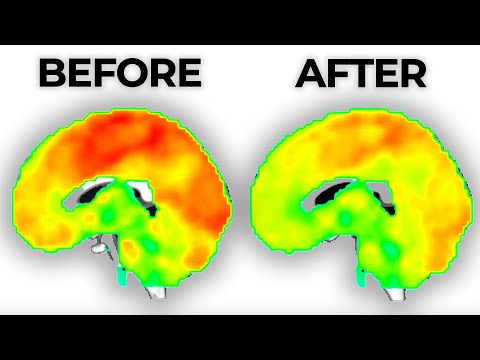
Now let’s talk about brain changes. Long-term use of Wellbutrin might actually change how your brain works. Dopamine levels fluctuate; some studies suggest these changes may help improve mood and motivation but could lead to other problems too.
Of course, there are still ongoing studies looking into these long-term brain effects because our understanding is always growing. In real-world terms? You might need to check in with your doc regularly if you’re on Wellbutrin for a while.
Opening up about experiences is so important when dealing with mental health meds like this one! The more we share our stories—good or bad—the better we can understand how these meds interact with our brains over time.
So yeah, if you’re considering Wellbutrin or are currently taking it, chatting with a healthcare professional about your symptoms and experiences is crucial. You want to make sure you’re getting the best possible support tailored just for you!
Exploring the Link Between Wellbutrin and Mania: What You Need to Know
Wellbutrin, or bupropion, is a medication that many people take for depression and to help with quitting smoking. But here’s the thing—you know how sometimes people react differently to meds? Well, in some cases, Wellbutrin can trigger mania, especially in those who have a history of bipolar disorder.
What’s mania? It’s like being on a rollercoaster that just keeps going up. You feel super energetic and hyperactive but not in a chill way. People can feel like they’re on top of the world, full of ideas and racing thoughts. Sounds fun until it gets out of hand. Like one friend of mine thought he could start a business overnight because he had this burst of inspiration. Long story short? He ended up overwhelmed and burned out pretty quickly.
So, basically, if you’re considering Wellbutrin or are already on it, here are some important points to keep in mind:
- Risk Factors: If you’ve had manic episodes before or have bipolar disorder in your family, talk to your doctor about it.
- Symptoms: Watch for signs like increased energy, irritability, or racing thoughts. If these pop up after starting Wellbutrin, don’t ignore them.
- Dosage Matters: Sometimes the dosage can play a role. Lower doses might be less likely to trigger mania.
- Combined Medications: If you’re taking other medications for mood disorders along with Wellbutrin, they could interact in ways that affect your mental state.
Alright, so what happens if mania does set in? You might experience impulsive behavior—like spending sprees or risky choices that you wouldn’t usually make. I had this one friend who decided it was a good idea to buy an expensive guitar on a whim while feeling manic; she didn’t even play!
Many people find that once their doctor adjusts their meds or alters the treatment plan, these manic symptoms settle down. You know? It’s all about finding what works best for you without throwing your mental health outta whack.
One more thing—if you’re taking Wellbutrin and find yourself feeling either too high or too low emotionally after starting it—don’t hesitate to chat with your healthcare provider. It’s all about keeping that balance in check so you can lead a fulfilling life.
In summary: Yes, there’s a link between Wellbutrin and mania for some people. Stay informed! Look out for those signs and keep communicating with your doctor so you stay healthy both mentally and physically.
Exploring the Long-Term Effects of Wellbutrin: Is Extended Use Harmful for Mental Health?
Wellbutrin, or bupropion if you’re feeling medical, is primarily used to treat depression and help people quit smoking. You might’ve heard about its stimulating effects versus other antidepressants. But what about the long-term effects on your mental health if you’re using it for an extended time? That’s a legit question and worth unpacking!
First off, Wellbutrin affects neurotransmitters. It mainly works on dopamine and norepinephrine. These chemicals play a huge role in how we feel and experience motivation. While that’s great for some short-term relief, there’s more to consider over the long haul.
Now, when it comes to long-term use, here are some thoughts:
- Some people report enduring benefits. Many users find that it keeps their mood stable even after years of use. It can be really effective in preventing depression relapse.
- But there are also risks. Some folks experience side effects like anxiety or restlessness that can linger with continuous usage.
- Weight changes are another thing. Wellbutrin is usually linked with weight loss, but for some, this flips into weight gain after a while—something to keep an eye on.
- Cognitive effects, such as concentration issues or memory problems, have been reported by individuals using the medication long-term. It’s not super common but something that people have shared.
- Withdrawal symptoms may happen too if you decide to stop taking it suddenly. Those could include mood swings or irritability—definitely not fun!
It’s also important to mention that everyone’s brain is unique, right? One person’s experience might be completely different from another’s. Factors like age, overall health, and even lifestyle choices play into how Wellbutrin affects someone over time.
Now let’s get personal: I once knew someone who was on Wellbutrin for almost two years. They found it immensely helpful at first—lights were brighter again! But after some time, they noticed they’d become more anxious and had trouble sleeping. It wasn’t until they talked with their doc that they realized these were possible side effects linked to their dose adjustment.
That being said, communication with your healthcare provider is crucial if you’re considering starting or want to continue Wellbutrin indefinitely. Regular check-ins can help assess whether it’s still a good fit for you mentally.
So in wrapping it up: while Wellbutrin can truly work wonders for many in the short term and even offer benefits long-term, there’s the potential for side effects too—and they might not be pretty after extended use! Always keep the conversation flowing with your doctor about how you’re feeling because mental health shouldn’t be an uphill battle alone!
So, let’s talk about Wellbutrin, which is actually this medication that’s often prescribed for depression and sometimes for helping people quit smoking. If you’ve been dealing with your own mental health stuff, or maybe know someone who has, you may have heard of it.
Now, when it comes to long-term effects on the brain, things can get a bit tricky. The way Wellbutrin works is different from many antidepressants. It kinda boosts your levels of dopamine and norepinephrine—those are two neurotransmitters that play a big role in how we feel. People often say it helps them feel more motivated or energetic compared to other meds.
I remember talking to a friend of mine who had been on Wellbutrin for a few years. At first, she felt awesome—like she could tackle anything that came her way. But then after some time, she started noticing some weird things. She’d have these moments where she’d feel anxious outta nowhere or even find it hard to concentrate on stuff she used to love.
And that’s the thing about long-term use; while many folks might experience benefits like enhanced mood or increased focus initially, there can also be side effects that crop up further down the line. Some studies suggest that long-term use could lead to changes in brain function or even cognitive effects down the road—like memory issues or emotional blunting—which can be super concerning.
But not everyone has the same experience! Some people stay on Wellbutrin for years and swear by how it’s helped them live their lives fully again without major issues. It really depends on your own brain chemistry and how you react individually to the medication.
So here’s what I think—it’s crucial to keep having those open conversations with your doctor or therapist if you’re taking Wellbutrin (or any med, really). Regular check-ins can help catch any negative side effects before they become too much of a problem. And remember, every journey’s unique; what’s good for one person might not be great for another.
In the end, mental health is an ongoing story—a mix of experiences where you just gotta figure out what works best for you over time.