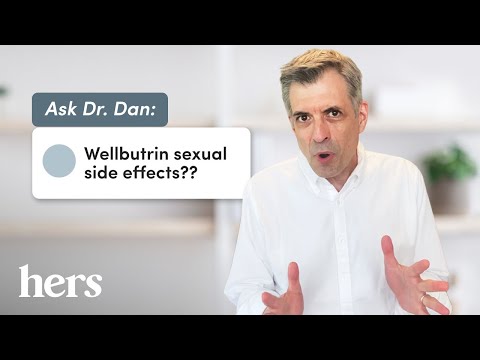
You know how it goes. Some meds help lift your mood, but then there’s the whole thing with, well, intimacy. Like, what happens to your sex drive?
Wellbutrin is one of those medications that might change things up for you. It’s often used to treat depression and anxiety, but its effects on sexual desire can be a bit of a mixed bag.
I’ve chatted with friends who’ve been on it, and their experiences are pretty eye-opening. Some find their libido bouncing back; others… not so much.
Let’s dive into the nitty-gritty of Wellbutrin and see what it really does to your mind and those more intimate feelings.
Exploring SSRIs: Which Antidepressant Has the Least Sexual Side Effects?
Alright, let’s chat about SSRIs, or selective serotonin reuptake inhibitors. They’re a common go-to for treating depression and anxiety. But here’s the thing: they can come with some, uh, less-than-ideal side effects, especially when it comes to sexual health. You probably already know that many people taking SSRIs report decreased libido or difficulties with orgasm.
So you might be wondering which antidepressant has the least impact on your sex life. The most well-known SSRI is fluoxetine, often sold under the brand name Prozac. Some folks find it pretty effective for lifting their mood but can have those pesky sexual side effects.
On the flip side, there’s Wellbutrin, which isn’t an SSRI but is often compared because it also treats depression. What’s cool about Wellbutrin is that it tends to have a more favorable profile when it comes to sexual desire—many people say their sex drive improves or stays the same while taking it. It works differently by increasing dopamine and norepinephrine rather than just messing with serotonin.
- Zoloft (sertraline): This one’s pretty effective for anxiety but can hit libido hard.
- Paxil (paroxetine): Known for its strong efficacy but can cause significant sexual side effects too.
- Cymbalta (duloxetine): Great for depression and chronic pain relief, but again, not immune to those unwanted bedroom issues.
- Lexapro (escitalopram): It strikes a balance in effectiveness and tends to have fewer sexual side effects than others, though results vary widely among individuals.
The thing is, everyone reacts differently to these medications. It could be hit or miss—you might find an SSRI works wonders for your mood without too much impact on your sex life, while someone else has a totally different experience.
If you’ve been on an SSRI and notice changes in your sexual health that are bothering you, don’t sit in silence! Talk to your doctor; they might switch things up or adjust dosages. Sometimes just being open about these topics helps normalize them—seriously! You’re not alone in this struggle!
I remember a friend of mine who started on Zoloft after going through a tough time. He was feeling better mentally but faced challenges in his relationship due to decreased libido. It was tough for him to bring this up at first because he felt embarrassed. But once he talked with his doc and switched to Wellbutrin, he found that his mood lifted even more while also getting back some of that spark.
The bottom line? Wellbutrin may stand out as having fewer sexual side effects compared to other antidepressants like SSRIs—but individual experiences vary widely! If figuring this out feels like navigating a maze sometimes—don’t hesitate to reach out for help!
Exploring the Link Between Wellbutrin and Hypersexuality: What You Need to Know
Wellbutrin, or bupropion, is an antidepressant that’s been around for a while. A lot of folks take it to help with depression or anxiety. You might be wondering how this medication connects to sex drive, especially when hypersexuality pops up in some cases.
First off, let’s get one thing clear: **not everyone experiences the same side effects** from Wellbutrin. Some people may find that their sexual desire actually increases. You know, like they feel more alive and interested in intimacy again. But that’s not the whole story.
When we talk about **hypersexuality**, we’re diving into a territory where sexual behavior becomes excessive and sometimes uncontrollable. Sometimes, it can even lead to problems in relationships or at work. With Wellbutrin, a few cases have been reported where users experienced this heightened sexual desire. So why does this happen?
There are a couple of potential reasons:
- Dopamine Stimulation: Wellbutrin affects neurotransmitters like dopamine, which plays a big role in motivation and pleasure. An increase in dopamine can lead to greater sexual interest.
- Contrast to Other Medications: Many antidepressants decrease libido, so when switching to Wellbutrin from another med that dampens desire, some people notice an uptick in their interest.
- Individual Differences: Everyone’s brain chemistry is unique. Some people’s brains react strongly to bupropion’s stimulating effects.
Now imagine someone named Sarah who’d been feeling pretty low and was prescribed Wellbutrin. After a few weeks on it, she suddenly found herself thinking about sex all the time—way more than usual! While she felt more connected with her partner initially, things soon got out of hand when her cravings became overwhelming.
It’s essential to keep an open dialogue with your doctor if you notice these changes while on Wellbutrin or any new medication. The thing is: if hypersexuality becomes problematic for you or affects your daily life, your healthcare provider might consider adjusting the dosage or switching medications altogether.
On another note, there’s also a chance that something else could be going on in your life contributing to these feelings—stressors, relationship issues, or even past trauma can all mix together with medication effects.
If you’re feeling confused about what you’re experiencing—like are these feelings normal? Are they just side effects?—it’s totally worth talking through everything with someone who gets it.
So remember:
- Everyone reacts differently.
- If problems arise from increased desires, chat with your provider.
- Your mental health journey is unique—you deserve tailored care.
At the end of the day, being aware of how medications like Wellbutrin can impact sexuality is key in maintaining balance—and getting support when needed is part of that journey too!
Understanding Bupropion: Exploring Sexual Side Effects in Women
Bupropion, often known by its brand name Wellbutrin, is a medication mainly used to treat depression and sometimes to help people quit smoking. It’s different from other antidepressants because it works on the brain’s neurotransmitters in a unique way. Unlike many medications in its class, it’s less likely to cause sexual side effects, which is pretty significant when considering how common those issues are with other antidepressants.
So here’s the thing: while bupropion is generally thought to have a lesser impact on sexual desire compared to other meds like SSRIs (those are selective serotonin reuptake inhibitors), some women still report noticeable changes. This can be puzzling and frustrating.
Common Sexual Side Effects
When it comes to sexual side effects, some women on bupropion experience:
It’s wild how complex our brains and bodies are. I remember a friend who started taking bupropion and felt initially excited about the boost in her libido. But then she started overthinking every encounter, which kind of killed the vibe for her. So while it helped some aspects of her mental health, those new worries kinda complicated things.
The Science Behind It
Bupropion primarily affects dopamine and norepinephrine—two neurotransmitters that play roles in mood and motivation. This action can sometimes translate into increased energy and pleasure responses. So if your brain is feeling good overall, you might just find you’re more interested in getting intimate.
But remember: everyone responds differently. Just because one person has an experience doesn’t mean everyone will have the same reaction.
If Problems Arise
If you’re on bupropion and dealing with unexpected changes in sexual desire or function, here’s what you could think about:
It’s also worth noting that hormonal factors—like menstrual cycles—can affect sexual desire too. It might not always be easy to identify what’s causing certain feelings or behaviors.
You know, it’s kind of wild how our minds and bodies are connected. When it comes to mental health, sometimes we need a little nudge from medication to help us feel like ourselves again. Wellbutrin, for instance, is one of those antidepressants that folks often talk about. But here’s the deal: while it’s known for helping with mood and energy levels, its effects on sexual desire can really throw a curveball into the mix.
I remember a friend of mine, Sarah. She was going through a rough patch—anxiety and depression knocking at her door every day. After chatting with her doc, they decided Wellbutrin might be a good fit. At first, she felt more energized and motivated; it was like someone flipped a switch inside her. But then came the unexpected side effect – her interest in sex just… vanished. It hit her hard because it wasn’t just about the physical aspect but also about feeling connected and desirable.
So what’s going on here? Wellbutrin works differently than some other antidepressants by affecting dopamine and norepinephrine levels in our brain—sort of like tweaking the buttons on a stereo until it sounds just right. It can boost motivation and lift mood without some of the libido-dampening effects that you might see with SSRIs (another type of antidepressant). But every body reacts differently; for some people, a bump in energy doesn’t always mean an increase in sexual desire.
Now imagine you’re trying to navigate this new reality. On one hand, you’re feeling less foggy, which is great! But then there’s this part where intimacy feels lacking or awkward—not easy emotions to deal with at all. For many people, this creates an internal tug-of-war between wanting to feel good mentally yet feeling off balance when it comes to sexual connection.
Ultimately, if you’re considering Wellbutrin or dealing with any similar situation, it’s super important to keep those chats open with your healthcare provider. They can help figure out what’s going on or even suggest alternatives if things get complicated. Anyway, no two experiences are alike when it comes to mental health medications—and talking about your feelings is key! And who knows? You might find that spark again in ways you never expected!