You know those moments when you’re just trying to chill, but then something weird happens? Like, you’re suddenly out of breath for no reason. It can be super freaky, right?
Well, if you’ve been on Wellbutrin or thinking about it, shortness of breath might pop into your head. It’s not uncommon. But why is that?
I mean, the last thing you need when you’re dealing with mental health stuff is another worry. So let’s unpack this a bit together. You’ll see it isn’t as scary as it sounds!
We’ll dive into what Wellbutrin does and how it all ties into those gasping-for-air moments. Trust me, it can really help to understand this stuff better!
Exploring the Connection: Can Shortness of Breath Be a Psychological Issue?
So, let’s chat about this whole connection between shortness of breath and psychological stuff. You might think that when you can’t catch your breath, it’s all about your physical health. But it can be more complex than that. Sometimes, what feels like a physical problem might actually have roots in our mental state.
When we talk about **shortness of breath**, what usually pops into your head? A heart issue? Asthma? Sure, those are valid thoughts. But the truth is, **anxiety and panic attacks** can also lead to those breathless moments. Ever get that feeling where your heart races and you just can’t breathe right? It’s like a switch flicked inside you, and suddenly everything feels overwhelming.
It’s kind of wild how stress works on our bodies. When you’re anxious or stressed, your body kicks into fight-or-flight mode. This means your breathing might become rapid or shallow. It’s like your body thinks it’s running from a lion—totally ready to sprint but not so great for just chilling out.
Now, let’s mix in medication for a minute—like **Wellbutrin**. This is an antidepressant that’s supposed to help with mood disorders by impacting neurotransmitters in the brain. Some folks take it and feel great, but others might experience side effects like shortness of breath or increased anxiety. It’s almost ironic! You’re trying to feel better mentally but end up feeling worse physically, right?
- Anxiety Is Key: Anxiety can make you hyper-aware of how you breathe.
- Panic Attacks: These relentless episodes can literally feel like the world is closing in.
- Physiological Reactions: When you’re anxious, your body responds as if there’s danger around.
- Medication Effects: Sometimes meds like Wellbutrin create physical reactions that mimic anxiety symptoms.
So let’s say you’re on Wellbutrin but struggle with some anxiety too—everything kind of collides here! You may feel more out of control when that shortness of breath hits because you’re already navigating mental health challenges.
Think about it: if you’ve ever felt nervous before a big presentation or something similar, did you notice changes in breathing? You may have felt it tightening up or becoming super quick when really there was no real danger around.
That said, while we can connect the dots between psychology and shortness of breath—it’s crucial not to ignore physical health issues either! If this is a consistent problem for you or anyone else dealing with this feeling, reaching out to a healthcare professional is super important. They’ll help figure out what’s going on.
In short: yes, shortness of breath can totally stem from psychological issues like anxiety or stress—especially when meds come into play too! It highlights how intertwined our minds and bodies are—you know? One influences the other more than we often realize!
Exploring the Effects of Wellbutrin on Anxiety: Can It Worsen Symptoms?
Wellbutrin is an antidepressant that’s often prescribed for depression and to help with quitting smoking. But what about its effects on anxiety? Some folks find that it actually makes their anxiety symptoms worse. So, let’s break this down.
Understanding Wellbutrin
First off, Wellbutrin—known generically as bupropion—works a bit differently than other antidepressants. It mainly affects the neurotransmitters dopamine and norepinephrine, which can give you a little boost in energy and mood. Sounds good, right? But here’s the thing: not everyone reacts the same way to it.
Can It Worsen Anxiety?
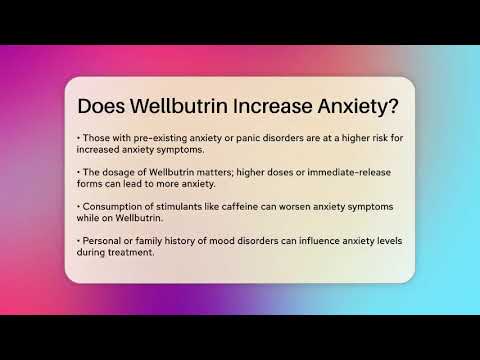
You might be wondering how this all ties into anxiety. For some people, Wellbutrin can lead to increased feelings of unease or restlessness. It’s like your brain is suddenly firing on all cylinders when all you wanted was to relax.
- Increased Restlessness: Some users feel more jittery than usual, which can make anxiety seem worse.
- Panic Attacks: Instances of panic attacks can be triggered in people who are predisposed to anxiety issues.
- Shortness of Breath: The medication might cause physical symptoms like shortness of breath, making you feel anxious about your breathing itself.
Let me tell you about a friend of mine named Sarah. She started taking Wellbutrin for her depression and hoped it would help her anxiety too. At first, she felt a burst of motivation—like she could conquer the world. But soon enough, that energy turned into racing thoughts that spiraled into panic attacks. She ended up feeling more anxious than before.
The Paradox
Isn’t it weird how something meant to help can sometimes do the opposite? That paradox is definitely real with Wellbutrin. For people who already have existing anxiety disorders or certain types of panic disorder, this medication might not be the best fit.
If you’re considering or currently taking Wellbutrin and notice that your anxiety feels heightened, it’s worth chatting with your doctor about it. They know you best and can help figure out if there’s something else out there for you or if adjusting your dosage might help.
A Summary
To wrap it up:
- Wellbutrin works by affecting dopamine and norepinephrine.
- It can potentially increase feelings of restlessness and even trigger panic attacks.
- If shortness of breath occurs while on Wellbutrin, it’s crucial to talk to a healthcare provider.
Navigating mental health is like walking a tightrope sometimes—you’ve got to find what balances well for you. So don’t hesitate to reach out for support!
Top Medications for Alleviating Shortness of Breath Due to Anxiety
I’m really glad you’re curious about this topic—anxiety and its effects can be pretty tough to navigate, especially when it comes to physical symptoms like shortness of breath. It’s a common experience for folks dealing with anxiety; feeling like you can’t catch your breath can be super scary. Let’s break down how certain medications, including Wellbutrin, might play a role here.
Shortness of breath during moments of anxiety is often linked to what’s going on in your body. When you feel anxious, your body kicks into gear, activating the fight-or-flight response. This means your heart starts racing and breathing becomes faster and shallower. It’s like hitting the gas without knowing where you’re going, right?
Now, regarding medications: some are specifically designed to tackle anxiety symptoms or help with stress levels. Here are some classes that might be relevant:
- SSRIs (Selective Serotonin Reuptake Inhibitors): These are commonly prescribed for anxiety disorders. They help increase serotonin levels in the brain, which can improve mood and reduce anxiety symptoms. Examples include fluoxetine (Prozac) or sertraline (Zoloft).
- SNRIs (Serotonin-Norepinephrine Reuptake Inhibitors): Similar to SSRIs but also affect norepinephrine. Venlafaxine (Effexor) is one example that may help manage both depression and anxiety.
- Bupropion (Wellbutrin): While primarily an antidepressant, some people find it helpful in managing their anxiety as well. But here’s the kicker – it can sometimes lead to feelings of restlessness or increased agitation for some users.
- Benzo’s (Benzodiazepines): Medications like diazepam (Valium) or lorazepam (Ativan) work quickly to calm intense feelings of anxiety but aren’t usually recommended for long-term use due to potential dependency issues.
When considering Wellbutrin specifically, it works a bit differently compared to traditional meds that directly target anxiety symptoms. Some people report experiencing shortness of breath as a side effect since it can ramp up energy levels—basically making your body more ‘on edge’. Yet others find it useful for tackling depression without triggering much anxiety.
So, why is this important? Picture this: You’re sitting at home feeling anxious—heart racing, you’re hyper-aware of every little sensation in your body. Suddenly that tightness in your chest feels ten times worse because you’re panicking about it! Medications like SSRIs and SNRIs could help ease that overall tension over time.
But remember: everyone reacts differently! What works wonders for one person might not do much for another—or could even make things worse! Talking through these options with a doctor who knows you well makes all the difference.
Overall, if you’re feeling short of breath because of anxiety and think medication’s a good route for you, consult with a healthcare professional who can guide you through options tailored specifically for your needs. Getting relief from those anxious moments might just be a conversation away!
You know, mental health medication can be a bit of a tricky business sometimes. I mean, on one hand, you’ve got medications that can really help lift your mood or ease anxiety. But then there’s the other side of it, where some folks experience unexpected side effects that can be pretty unsettling.
Take Wellbutrin, for example. It’s an antidepressant that’s often prescribed to help with depression and even ADHD. Many people find it works wonders for their mood and energy levels. But then there are reports about shortness of breath, which is kind of alarming if you think about it. Just imagine being in a situation where you’re starting to feel better emotionally but then suddenly you can’t breathe right. That’s gotta freak anyone out!
I had a friend who was on Wellbutrin for a while. She’d been dealing with some heavy stuff—like most of us do at some point—and was really hopeful about this new medication. It helped her focus and feel motivated again, which was awesome! But after a few weeks, she noticed this weird tightness in her chest and struggled to catch her breath during her morning jogs. Talk about a buzzkill!
So she went back to her doctor to talk about it. That’s the thing—you really have to keep an open dialogue with your healthcare provider when you’re on these meds. They were super helpful and reassured her that while shortness of breath isn’t the most common side effect, it’s something they could manage together.
What they ended up doing was adjusting her dosage and checking in regularly until they found the right balance between helping her mood and keeping those pesky side effects at bay.
It makes you realize how interconnected everything is when it comes to mental health care—like your mind is one part of the equation but your body has its own reactions too. So if you’re ever feeling off after starting any meds—like Wellbutrin—it’s crucial to speak up and not just brush it aside as part of the process.
I guess what I’m getting at here is that mental health treatment is kinda like finding the perfect recipe; sometimes you’ve gotta tweak things here and there until everything tastes just right!