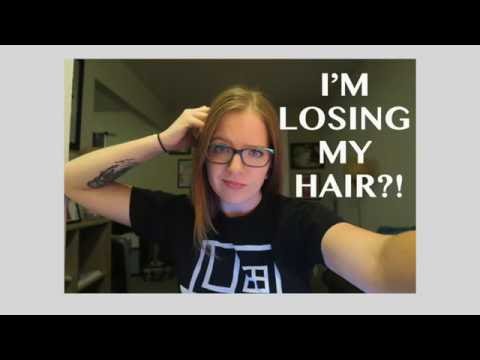
Hey, let’s chat about something that’s been on a lot of minds lately—Wellbutrin and hair loss. Seriously, it’s a topic that kinda flies under the radar, but it affects so many people.
You start taking this antidepressant, feeling hopeful and a little lighter. But then, out of nowhere, you notice more hair in your brush than usual. Ugh, right?
So what’s the deal? Is it the meds? Or maybe just life throwing curveballs at you? Well, let’s break it down together. There’s more to the story than meets the eye.
Effective Strategies to Combat Hair Loss Linked to Bupropion Use
Dealing with hair loss can be really frustrating, especially when it’s linked to a medication like bupropion. You probably know bupropion better by its brand name, Wellbutrin. It’s often prescribed for depression and anxiety, but sometimes the side effects aren’t so fun. One of those pesky issues can be hair loss. So, what can you do about it? Let’s break down some effective strategies.
Talk to Your Doctor. This is super important! If you notice your hair thinning after starting bupropion, don’t sit on it. Seriously, chatting with your doctor is the first step. They might adjust your dosage or even suggest switching to another medication. It’s all about what works best for you!
Nutrition Matters. You wanna make sure you’re eating well. A balanced diet can help promote hair growth and overall health. Think about foods rich in vitamins such as:
- Vitamin D: Helps in promoting healthy follicles.
- Biotin: Supports keratin production, which is essential for hair strength.
- Iron: A deficiency can lead to hair loss.
- Zinc: Important for tissue growth and repair.
These nutrients are like fertilizer for your hair — they encourage growth and keep things strong!
Stay Hydrated. Drink plenty of water! Dehydration affects everything in our bodies, including our hair. Aim for at least eight glasses a day if you can swing it.
Scalp Care Is Key. Massaging your scalp could stimulate blood flow and encourage healthier regrowth. Try spending a few minutes each day just massaging gently with your fingertips.
Consider Supplements. Sometimes we don’t get everything we need from food alone. Supplements designed for hair health might help too! Just make sure to talk with a healthcare professional first because they know best about what’s safe and effective.
Stress Management. Stress is a sneaky culprit when it comes to hair loss issues, too! Incorporating relaxation techniques like yoga or meditation could be beneficial not only for your mental health but also for keeping that luscious mane intact.
Remember the anecdote of my friend Sara? She started bupropion and noticed her hair wasn’t looking its best anymore. After she chatted with her doctor and made some small changes in her diet, she saw improvement over time — not just in her mood but also in her hair!
In summary, if you’re dealing with this issue from bupropion use, tackling it doesn’t have to feel overwhelming—just take things one step at a time!
Effective Strategies to Combat Hair Loss Caused by Antidepressants: A Comprehensive Guide
Antidepressants can really help with mental health challenges, but they sometimes come with side effects like hair loss. If you’re taking something like Wellbutrin and noticing this change, you’re not alone. Let’s break down some effective strategies you can use to combat this issue without feeling overwhelmed.
Understanding the Connection: First off, it’s important to know that different people react differently to medications, and hair loss is a possibility with some antidepressants. Wellbutrin is generally less associated with this side effect compared to other antidepressants, but it can still happen. Basically, your body might be reacting in a way that impacts hair growth.
Talk to Your Doctor: Before making any changes, seriously consider chatting with your healthcare provider. They might suggest switching meds or adjusting your dosage—sometimes just a small tweak can make a big difference! For instance, if Wellbutrin isn’t working out for you due to hair loss, they might recommend another medication that’s less likely to cause that.
Nutrition Matters: What you eat plays a huge role in how healthy your hair feels and looks. Make sure you’re getting enough vitamins and minerals. Key players include:
- Biotin: Promotes keratin production which strengthens hair.
- Zinc: Helps keep the oil glands around hair follicles functioning properly.
- Iron: Essential for maintaining healthy blood flow to the scalp.
Consider adding nuts, leafy greens, and lean proteins into your diet.
Scalp Care: Be Gentle!: Don’t underestimate the power of a good scalp routine. Avoid harsh shampoos or excessive heat styling; they might worsen the situation. Instead, opt for gentle shampoos that nourish rather than strip away natural oils.
Try Supplements: Some people find success using supplements designed for hair health. Look for those that contain saw palmetto or pumpkin seed oil; studies suggest they can help reduce hair loss in some cases.
Manage Stress Levels: Stress itself can contribute to hair loss—it’s a real cycle here! Incorporate relaxation techniques like meditation or yoga into your daily life. Maybe start small: 5-10 minutes of deep breathing could help clear your mind!
In my experience chatting with friends going through similar stuff, I heard one person say she started journaling as part of her healing process; it helped her channel her thoughts while also bringing more awareness about how stress affected her body overall.
Bigger Picture: Patience is Key: Hair growth takes time; don’t expect overnight results! It might take several months before you notice improvements after changing medications or treatment routines. So remember, be patient and give yourself grace during this journey.
These strategies are all about finding what works best for you while also addressing the underlying reasons behind both mental health struggles and physical changes like hair loss due to medications like Wellbutrin. Taking steps forward can feel empowering—even just one small change at a time makes an impact!
Exploring the Connection Between Wellbutrin and Mental Health Issues: What You Need to Know
Wellbutrin is a type of antidepressant that’s often used to help with depression and anxiety. What you might not know is that it can have some interesting effects on mental health, particularly for people who are also dealing with hair loss. So, let’s break this down a bit.
First off, Wellbutrin works differently than many other antidepressants. It primarily affects the neurotransmitters dopamine and norepinephrine in your brain. Basically, these chemicals help regulate mood and energy levels. By boosting them, Wellbutrin can help lift your spirits, which is awesome when you’re feeling low.
But now here’s where it gets a little tricky: while Wellbutrin can help with mental health issues like depression, it doesn’t come without its side effects. One of these might be hair loss. Yeah, that’s right—some people notice that their hair starts thinning or falling out after they begin taking this medication.
Now you might be thinking, “Wait a minute! I’m trying to feel better mentally, not lose my hair!” And you’re totally justified in feeling that way. The connection isn’t fully understood; it could be related to how Wellbutrin influences hormones or blood flow to the scalp. But the upside? Not everyone experiences this side effect! It really varies from person to person.
Here are a few things to keep in mind if you’re navigating this issue:
- Individual Reactions: Everyone is different. Some people might find Wellbutrin helps them feel more balanced without any hair loss.
- Talk to Your Doctor: If you start noticing changes in your hair after starting Wellbutrin, definitely reach out to your healthcare provider.
- Hair Care: Sometimes incorporating gentle hair care products or seeing a dermatologist can help address any thinning or loss.
- Exploring Alternatives: If hair loss becomes too concerning for you, there are other medications out there that might suit your needs better.
- Mental Health First: Remember that taking care of your mental health is the top priority; it’s worth discussing any concerns with your doctor.
By the way, I once had a friend who started taking Wellbutrin because she was struggling with depression after losing her job. It really helped her mood—like night and day! But then she noticed some thinning hair and freaked out a little (who wouldn’t?). After chatting with her doctor about it—like seriously having an open convo—they talked about adjusting her meds and exploring other options without sacrificing her mental health progress.
So yeah, what happens when you’re dealing with medication like Wellbutrin is kind of like walking on a tightrope—you want balance between mental wellness and physical effects. Keeping the conversation open with healthcare professionals will always steer you in the right direction.
You know, mental health can be a rollercoaster ride, right? You’re working on feeling better, maybe trying some meds like Wellbutrin, and then you start noticing something odd—your hair is thinning or falling out. That can be super disheartening. I mean, hair is such a big part of how we express ourselves!
Take my friend Alex, for example. They struggled with depression for years and finally found a medication that helped lift their mood. But then came the moment of realization—hair all over the bathroom floor. It was heartbreaking for them because they had already fought so hard to feel okay again. Alex even joked about buying hats in bulk, but inside, it was tough.
So here’s the deal with Wellbutrin: it’s often prescribed to help with depression and sometimes anxiety. It has its pros and cons like any med does. While it might work wonders for your mood, some people report hair loss as a side effect—like an unwanted bonus prize! But not everyone experiences this—you could be totally fine.
If you’re thinking about Wellbutrin or you’re already on it and dealing with hair loss, having an open chat with your doctor is key. They might suggest alternatives or ways to manage side effects better. It’s important to remember that taking care of our mental health doesn’t have to come at the cost of our physical well-being.
Navigating these challenges can feel isolating sometimes—but you’re definitely not alone in this! Each person’s experience is different; so if you’re worried about how you’re feeling or what’s happening with your body, don’t hesitate to speak up. After all, finding solutions often requires collaboration between you and your healthcare provider.
At the end of the day, it’s about what works best for you—whether that’s sticking with Wellbutrin while managing side effects or exploring other options entirely. Just hang in there! Emotions are complicated enough as is; don’t let anything else feel like an uphill battle if you don’t have to!