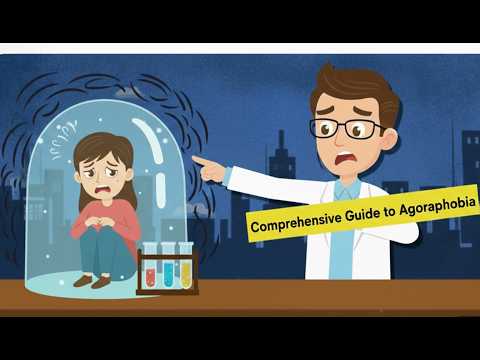
Imagine this: you’re at home, feeling totally fine, and then suddenly, just the thought of stepping outside makes your heart race. Yeah, that’s a vibe for someone dealing with agoraphobia. It’s not just about being shy or preferring to stay in; it goes way deeper.
You might think of it as like a trap that your mind sets up. And the world outside? It feels way too big and scary to face. You know?
I’ve seen friends struggle with this—one moment they’re planning a trip to the park, and the next, they can’t even make it to their front steps. But hold on! There are ways to manage this.
Let’s break down what agoraphobia really is. We’ll dig into symptoms and how folks tackle it in therapy. So, if you or someone you know is feeling stuck like that, let’s talk about it!
Exploring the Most Effective Treatments for Agoraphobia: A Comprehensive Guide
Agoraphobia can be a pretty tough situation to deal with. It’s that feeling where you might start avoiding places or situations that could trigger panic attacks. You know, like crowded places, public transport, or even leaving your own house. For some people, it can feel like their world is shrinking. So, how do we treat it? There are a few effective options out there.
First off, therapy plays a huge role in treatment. Cognitive Behavioral Therapy (CBT) is often the go-to approach for agoraphobia. This type of therapy helps you identify and change negative thought patterns. Basically, it teaches you how to challenge those anxious thoughts and feelings in a more constructive way. Imagine you’re standing at the threshold of your front door, completely terrified to step outside. A therapist would work with you to gradually face that fear.
Another helpful method is exposure therapy. This might sound scary at first, but stick with me! It’s all about slowly exposing yourself to what you fear—in a controlled way—until it doesn’t seem so intimidating anymore. So say you’re anxious about going grocery shopping; the therapist might first have you just visualize the store before moving on to maybe driving by it, and eventually going inside for just a couple minutes.
Don’t overlook medication either! Sometimes doctors prescribe antidepressants or anxiety medications to help manage symptoms while you’re working through therapy. These aren’t a cure-all but can give you some much-needed relief as you’re tackling these challenges head-on.
Another option? Support groups! Connecting with others who get what you’re going through can be really comforting. You’re not alone in dealing with this stuff—hearing stories from people facing similar struggles can be super encouraging.
It’s also worth mentioning self-care strategies. Regular exercise, mindfulness practices like meditation or yoga, and keeping a balanced diet can really do wonders for your mental health overall. These activities aren’t just good for your body; they also help keep those anxiety levels down.
When working with any kind of treatment plan for agoraphobia, it’s crucial to have patience and be open to different approaches. Different things work for different individuals—it’s about finding what clicks for you!
The thing is: progress often comes in small steps rather than giant leaps. Celebrate every little victory—it all counts when facing agoraphobia!
Understanding Sudden Onset Agoraphobia: Causes, Symptoms, and Coping Strategies
Agoraphobia can feel like a heavy weight sitting on your chest, you know? It’s not just fear; it’s a complex mess of emotions and situations that can pop up outta nowhere. Let’s talk about sudden onset agoraphobia—the kind that sneaks up on you and makes the world feel like a scary place.
What is Agoraphobia?
At its core, agoraphobia is the intense fear of being in places where escape might be tricky, or help is hard to reach. It’s like feeling trapped in a giant bubble. You might avoid crowded places, public transportation, or even open spaces. For some people, this fear can develop suddenly.
Causes of Sudden Onset Agoraphobia
So what brings this on? There isn’t always one clear reason—it’s often a mix of stuff. One big factor can be panic attacks. Imagine having an intense panic attack in a crowded mall; it’s a nightmare and totally traumatizing. Next time you’re in a similar situation, your brain might scream, “Nope! Not doing that again.”
Another cause could be serious life changes or stress. Maybe it’s losing your job or going through a tough breakup; these events can trigger feelings of vulnerability and anxiety. Your brain goes, “Whoa! That was rough; let’s stay safe at home.”
Symptoms to Watch For
Symptoms are tricky because they vary from person to person but here are some common signs to keep in mind:
- Panic attacks: Racing heart, sweating, dizziness—like you’re about to jump outta your skin.
- Avoidance behavior: Skipping planned outings or feeling dread when thinking about leaving home.
- Anxiety symptoms: Constant worrying about being judged or embarrassed outside.
- Physical symptoms: Nausea or stomachaches when contemplating going out.
I remember my friend Lucy had to skip her sister’s wedding because just the thought of being surrounded by people sent her into full-on panic mode. It really showed how debilitating this stuff can get.
Coping Strategies
Now let’s talk about ways to manage this condition, because you don’t have to feel stuck in that bubble forever:
- Therapy: Cognitive-behavioral therapy (CBT) helps change negative thoughts into more positive ones. A therapist can work with you on facing fears gradually—like baby steps outta the house.
- Meditation and mindfulness: Practicing these techniques can help ground you when anxiety hits hard.
- Sharing experiences with others facing similar fears can make you feel less isolated.
- Pacing yourself: It’s okay if progress is slow. Celebrate those tiny victories—like walking to the end of your driveway!
Understanding sudden onset agoraphobia takes time and effort but recognizing it’s real and not just «in your head» is key. You aren’t alone if you’re dealing with this—it feels overwhelming but there are ways through it together!
Understanding the 5 Stages of Agoraphobia: A Comprehensive Guide
Agoraphobia can feel like you’re stuck in a cage, where the outside world becomes scary and overwhelming. It’s not just about being afraid of open spaces; it’s more like a fear of having panic attacks in situations where escape might be tough. This can lead to avoiding places or situations that might trigger those feelings, making it difficult to live your life fully.
Understanding Agoraphobia can be divided into stages, often described as a progression. Here’s a breakdown of what some people commonly experience as they navigate through their agoraphobia:
So basically, this cycle of fear and avoidance can keep tightening its grip on your life.
Treatment Options exist for agoraphobia—don’t lose hope! Therapy is often the most effective approach:
- Cognitive Behavioral Therapy (CBT): This focuses on changing negative thought patterns and behaviors associated with anxiety. You learn coping strategies and gradually face feared situations.
- Exposure Therapy: Involves gradually facing fears in a safe environment with support from a therapist. It helps desensitize you to anxiety triggers.
- Medication: Sometimes doctors prescribe antidepressants or anti-anxiety meds if symptoms are severe and therapy alone isn’t enough. But remember, meds are just one piece of the puzzle.
It’s also important to reach out for help when things get overwhelming. Talking with someone who understands what you’re going through—a friend or therapist—can make a big difference.
To sum it up, navigating agoraphobia isn’t easy but understanding these stages gives you insight into what might happen along the way and the paths available for healing and recovery!
Agoraphobia can be one of those tricky topics, you know? People often think it’s just about being afraid of open spaces, but it’s way more than that. Imagine feeling trapped in your own home. Like, maybe you step outside your front door and suddenly feel like your chest is tightening, or your heart starts racing. The panic washes over you, and all you want is to flee back inside. It’s a real struggle for many people.
The symptoms can vary a lot from person to person. For some, it’s not just the fear of open spaces; it could be a dread of being in crowded areas or even situations where escape feels hard. Think of someone who avoids going to the mall because they’re scared they might panic and not be able to get out quickly enough. It’s like their world gets smaller and smaller.
So, how do you deal with agoraphobia? There are several treatment options available that can really help people reclaim their lives. Therapy is often a key player here—Cognitive Behavioral Therapy (CBT) is super common. CBT helps change the way you think about those scary situations. You work through your fears gradually, like baby steps, until they’re not so overwhelming anymore.
And then there are medications too—like antidepressants or anti-anxiety meds—that some folks find helpful. But honestly? It’s so important to chat with a professional about what works best for each individual.
I remember talking to a friend who faced this challenging condition for years. She shared how she gradually learned to take small outings with support from her therapist and her family. At first, it was just walking around her neighborhood with someone by her side. Over time, she was able to go visit friends across town! Hearing her story reminded me how powerful support and gradual exposure can be in overcoming those intense fears.
In truth, agoraphobia is more than just an anxiety issue; it’s deeply personal and can feel isolating at times. But there are paths forward—understanding the symptoms and exploring treatment options can lead to hope and healing for many individuals navigating this journey.