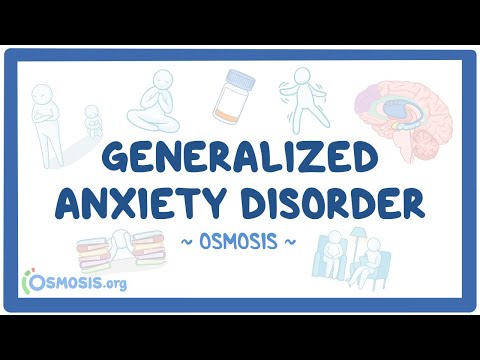
So, anxiety. It’s like that friend who just won’t leave you alone, right? You know, the one who shows up uninvited and suddenly makes everything feel heavy and overwhelming.
Generalized Anxiety Disorder, or GAD for short, can feel like a never-ending rollercoaster of worry. You might catch yourself stressing about everything from deadlines to relationships and even random stuff like whether your socks match. Seriously!
It’s exhausting, isn’t it? But here’s the thing: you’re not alone in this. A lot of people feel like they’re juggling endless worries too.
Let’s chat about what GAD looks like and share some ways to manage those anxious feelings. Because life shouldn’t be a constant race with your own thoughts, you know?
Effective Techniques for Managing Generalized Anxiety Disorder (GAD)
Managing Generalized Anxiety Disorder (GAD) can be like trying to untangle a bunch of cords. It’s tricky, frustrating, and often overwhelming. But there are effective techniques that can really help you or someone you care about navigate through the chaos. Let’s break down some key strategies to manage GAD.
Understanding GAD is the first step. It’s that constant feeling of worry, fear, or anxiety about different aspects of life—like work, health, or relationships. You know that nagging feeling in your stomach? That’s a sign of GAD kicking in when you’re stressed out about something happening tomorrow or next week.
Cognitive Behavioral Therapy (CBT) is one of the most effective approaches for managing GAD. It teaches you how to identify negative thought patterns and replace them with more positive, balanced ones. So, instead of spiraling into what-if scenarios—the kind where you imagine the worst possible outcomes—you learn to challenge those thoughts with reality checks. Like when my friend began noticing she always thought the worst could happen at her job—once she started questioning those thoughts, she felt lighter and way more confident.
Another technique is mindfulness and meditation. It might sound a bit woo-woo, but being present can seriously reduce anxiety levels. You don’t have to sit cross-legged on a mountaintop; just taking a few deep breaths and focusing on your breath can make a big difference. There are even apps out there that guide you through it!
Physical activity is also crucial for managing anxiety. Seriously! Exercise releases endorphins—those feel-good chemicals in your brain—and helps reduce stress hormones too. Even going for a brisk walk can do wonders for your mood! Remember that time when I just went for a jog after a stressful day? Felt like I was shaking off the worries!
Next up is building a support network. Connecting with friends or family who understand what you’re going through is super important. Talk it out! Sharing your feelings can lighten the load significantly—and knowing you’re not alone makes facing challenges easier. Plus, sometimes they may offer insights you hadn’t thought about before.
It’s also important to set realistic goals. If everything feels overwhelming, break tasks into smaller pieces. Instead of thinking ‘I need to do well at work,’ try focusing on just getting through today’s meeting successfully—that’s manageable and way less intimidating!
Don’t forget about proper sleep habits too! Lack of sleep can make anxiety worse—it’s like adding fuel to an already raging fire! Establishing a calming bedtime routine could help here; think warm baths or reading something light before bed.
Last but definitely not least—consider medications if needed. Sometimes therapy alone isn’t enough, and medications prescribed by doctors can help balance brain chemistry effectively when anxiety feels unmanageable.
Overall, managing GAD takes time and effort; it’s not an overnight fix—but by mixing these techniques into your daily life gradually makes it easier to cope with worries as they come along rather than letting them control you. Remember: You’re not alone in this journey!
Understanding Generalized Anxiety Disorder: Real-Life Examples and Insights
So, let’s talk about Generalized Anxiety Disorder, or GAD for short. It’s a fancy term for feeling like you’re constantly worried or anxious about almost everything in your life. You know that feeling when you just can’t shake off the dread? Well, that’s a big part of GAD.
People with GAD often find themselves wrapped up in a web of worries that seem endless. You might be stressing over work deadlines, family issues, or even what to eat for dinner. The thing is, these worries can feel overwhelming and out of proportion to what’s actually going on.
Symptoms can vary a lot but here are some common ones:
- You might notice you’re always restless or on edge.
- Your concentration feels shot; it’s tough to focus on one thing without thinking of ten others.
- Physical symptoms like muscle tension, headaches, or trouble sleeping could pop up.
- And let’s not forget fatigue; being mentally drained can really take a toll.
A buddy of mine named Jake has struggled with GAD for years. He always worried about disappointing his boss at work and never felt good enough. Even small tasks would send him into a spiral of self-doubt. So much so that he’d sometimes avoid situations altogether just to prevent feeling anxious—like skipping social gatherings because he thought he’d embarrass himself. That kind of avoidance really becomes isolating over time.
Managing GAD involves a mix of strategies. Therapy often plays a massive role in helping folks understand their thoughts and feelings better. Cognitive Behavioral Therapy (CBT) is popular because it helps people change negative thought patterns into more realistic ones. Basically, it teaches you to challenge those pesky anxious thoughts instead of letting them run wild.
Medication can also be an option if anxiety’s really impacting your life day-to-day. Doctors sometimes prescribe antidepressants or anti-anxiety meds to help balance things out chemically—it doesn’t fix everything but can provide some relief while you work through challenges in therapy.
You know what else helps? Mindfulness practices like meditation and yoga! They help ground you and bring some peace amidst the chaos of racing thoughts. Seriously, even taking ten minutes each day to breathe deeply can make a real difference!
If you ever find yourself thinking worry is just part of who you are—you’re not alone. Millions deal with anxiety every day, and there is help available.Sparking conversations with trusted friends or seeking professional guidance can be the first step toward feeling better. Just remember: it takes time and patience to work through these feelings; you’re not in this fight by yourself!
Understanding Generalized Anxiety Disorder: Comprehensive PDF Guide for Symptoms, Treatment, and Coping Strategies
Alright, let’s talk about Generalized Anxiety Disorder, or GAD for short. This is one of those conditions that can really make you feel like your brain is on overdrive. Basically, if you have GAD, you often worry about a bunch of different things all the time—not just one specific thing. It’s like your mind goes on a constant loop of worry!
Now, what are the symptoms? There’s quite a range, but here are some common ones:
- Persistent worrying: This isn’t your typical “Oh no, I forgot to pay that bill” kind of worry. It’s more like a nagging feeling in the back of your mind that doesn’t seem to take a break.
- Restlessness: You might find it hard to sit still. It can feel like you’ve got ants in your pants!
- Tiredness: Even if you’ve been resting, you might feel drained. Like no matter how much sleep you get, it never feels like enough.
- Difficulties concentrating: It can be hard to focus on tasks because your thoughts keep drifting back to worries.
- Irritability: Little things really start to get on your nerves. You might snap at people without meaning to.
This constant state of worrying can mess with your life and relationships too. Imagine going out with friends but feeling so anxious about work or family issues that you can’t even enjoy yourself—that’s tough!
Now let’s get into treatment options. There are a few paths folks take when dealing with GAD:
- Cognitive-Behavioral Therapy (CBT): This is one popular option. With CBT, therapists help you identify those pesky thought patterns behind your anxiety and teach you healthier ways to deal with them.
- Medication: Sometimes doctors prescribe medications like SSRIs or benzodiazepines to help manage symptoms. But hey, medication isn’t the only answer—it’s usually best when combined with therapy.
- Lifestyle changes: Don’t underestimate the power of good ol’ self-care! Regular exercise and balanced nutrition can seriously help in managing anxiety levels.
Coping strategies also play a big role in managing GAD day-to-day. Here are some techniques that might vibe well with you:
- Meditation and mindfulness: Just taking some quiet time can ground you and bring back some calmness when everything feels chaotic inside.
- : Writing down thoughts can be super therapeutic—sometimes putting stuff on paper helps clear mental clutter.
- : Deep breathing exercises? Yeah! They’re great for easing tension and lowering anxiety levels..
You know what? People often underestimate how normal it is to feel anxious at times; it’s just part of being human! But if this kind of anxiety becomes overwhelming or interferes with daily life, reaching out for support is so important. Seriously, don’t hesitate—talking about how you feel or seeking professional help can make a huge difference!
If you’re someone experiencing these symptoms or know someone who is struggling with GAD, remember: it’s okay not to be okay sometimes! With the right tools and support systems in place… relief is possible!
So, let’s talk about Generalized Anxiety Disorder, or GAD for short. You know, it’s one of those things you might hear about but not really understand until it hits close to home. Like, imagine this: you wake up in the morning and the first thought that pops into your head is what’s gonna go wrong today. Your heart races a bit more than usual, and you feel this tight knot in your stomach. That’s kind of what living with GAD can be like.
Symptoms can be sneaky. It’s not just about feeling nervous or worried here and there. We’re talking about this nonstop worry that hangs around like an unwanted guest at a party. You might be anxious about work deadlines, health issues, family problems – even things that haven’t happened yet! Sounds exhausting, right? Symptoms can include irritability, muscle tension, sleep disturbances– it’s just an overload of stress, making it hard for you to focus on anything else.
Managing GAD isn’t just about trying to shut off those worrying thoughts like a light switch; it’s more complicated than that. Therapy can be a huge help! Cognitive Behavioral Therapy (CBT) is often recommended. It teaches you to challenge those spiraling thoughts and helps you understand how they impact your emotions and actions. Picture yourself learning ways to shift your thinking so those worries don’t take over.
And then there are practical strategies too! Simple things like deep breathing or grounding exercises can really calm your mind when anxiety flares up. Sometimes just taking a moment to step back from your thoughts and remind yourself that it’s okay to feel anxious helps too.
Don’t forget about lifestyle changes! Eating right, getting enough sleep, moving your body – all of these play a part in managing anxiety levels. Seriously think of exercise as both a mood booster and an outlet for pent-up energy.
I remember chatting with a friend who struggled with GAD for years before getting help. She’d stay up late Googling every little ache she felt because her mind would spiral into worst-case scenarios – which only made her more anxious. Once she started therapy? Things began to shift slowly but surely. She learned tools to manage her anxiety and how not every thought needs her immediate attention.
You don’t have to tackle this alone either! There’s something powerful in sharing experiences with understanding people or support groups where everyone gets what you’re going through—kind of makes you feel less isolated in the struggle.
So yeah, if you’re feeling overwhelmed by anxiety day after day, reaching out for support is totally worth it! Life’s too short to spend every waking moment worrying about what could go wrong when there’s so much that could go right too.