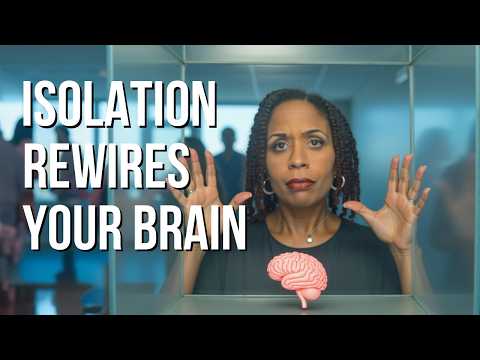
Have you ever felt a little off when someone close to you leaves? Like, that uneasy knot in your stomach? Yeah, it’s a thing.
Separation anxiety isn’t just for kids anymore. Adults can feel it too, and it can hit hard. You might think, “I’m grown up! I shouldn’t be feeling this way.” But the truth is, life throws curveballs that can make anyone feel vulnerable.
Imagine a moment when your partner goes on a trip or your best friend moves away. The empty space they leave behind? It’s real, and it can mess with your head.
So let’s chat about what separation anxiety looks like in adults and how it plays out emotionally. You might find it’s more common than you think!
Understanding Separation Anxiety in Adults: Causes, Effects, and Coping Strategies
Separation anxiety isn’t just for kids. When adults experience it, the feelings can be really intense. It’s that overwhelming sense of dread or worry when you think about being apart from someone important, like a partner, friend, or even a family member. You might find yourself getting anxious just at the thought of them leaving for a trip, or even just heading out for a quick errand. Can you relate?
Causes
Understanding why this happens can help you deal with it better. There’s a mix of factors that can contribute to separation anxiety in adults. These include:
- Attachment Style: If you have an anxious attachment style from childhood, it can carry over into adulthood.
- Past Trauma: Experiences like losing someone close to you can trigger these feelings.
- Life Changes: Big transitions—like moving to a new city or starting a new job—can make these feelings worse.
A friend of mine used to freak out whenever her boyfriend went on business trips. It wasn’t just missing him; she felt this huge fear that something bad could happen while he was away or that he might not come back at all. That really messed with her peace of mind!
Effects
The psychological effects of separation anxiety are pretty significant. You might experience:
- Panic Attacks: Heart racing, sweating, or feeling dizzy when you think about separation.
- Avoidance Behavior: You might avoid situations where separation could happen altogether.
- Mood Swings: Feeling irritable or emotional without much reason.
This kind of anxiety doesn’t just burn out your energy—it impacts your relationships too! Friends and family may feel like they’re walking on eggshells, trying not to upset you further.
Coping Strategies
If you’re dealing with separation anxiety, there are some ways to cope and make things easier for yourself:
- Talk About It: Share your feelings with the person you’re worried about separating from. Communication can ease some fears!
- Breathe and Ground Yourself: Practice deep breathing exercises when you start feeling anxious; it calms your nervous system down.
- Create Routines: A consistent routine can offer some familiarity and stability during periods of separation.
You know what? Some people also find therapy super helpful! Cognitive Behavioral Therapy (CBT) especially focuses on changing negative thinking patterns related to anxiety. It works wonders for many folks struggling with these issues.
The thing is, separation anxiety in adults is real and it matters! Acknowledging what you’re feeling is the first step toward managing those emotions more effectively. Don’t hesitate to reach out if things get too heavy; support is always available!
Effective Strategies for Treating Separation Anxiety Disorder in Adults: A Comprehensive Guide
Separation Anxiety Disorder (SAD) isn’t just for kids. Yeah, it can hit adults too, and it can be pretty tough to grapple with. Basically, it’s that overwhelming feeling of being anxious when you’re away from loved ones or specific places you feel safe in. You might feel intense worry, panic attacks, or even physical symptoms when faced with separation. So, what can help? Let’s break down some effective strategies.
1. Psychotherapy
Talking through your feelings is huge! Cognitive Behavioral Therapy (CBT) is often used to help folks understand their thoughts and how those play into their anxiety. It’s like having a supportive friend who guides you through confronting those fears head-on while providing tools to cope with them.
2. Gradual Exposure
This one sounds simple but is super effective. Start small by practicing brief separations. Maybe step out for a quick errand or hang out in a different room at home. Gradually increase the time apart as you build confidence that everything will be okay.
3. Relaxation Techniques
Ever tried deep breathing? It’s a lifesaver! Techniques like mindfulness meditation, progressive muscle relaxation, or even yoga can help ease that anxious energy you’re feeling when separation looms.
4. Medication
Sometimes therapy alone isn’t enough, and that’s okay! Doctors might prescribe medications like SSRIs to help manage severe anxiety symptoms effectively. Always have an open chat with your healthcare provider about this option.
5. Support Systems
You’re not alone in this! Surround yourself with supportive friends or family who understand what you’re going through. Sometimes just sharing your feelings can lighten the load.
6. Journaling
Writing down your thoughts and fears can provide clarity on what triggers your anxiety and how to handle it better over time—kind of like having a personal therapist in a notebook!
Let me share an example here: A woman named Sarah dealt with SAD for years after her best friend moved away. Initially, she felt panicky every time she thought about being apart from her family for work trips or social events—so much so that she avoided them altogether! After starting CBT and gradually pushing herself to spend time away from home—even just visiting coffee shops alone—she began reclaiming her independence while keeping in touch with her loved ones via video calls.
To sum it all up, tackling Separation Anxiety Disorder as an adult might take some patience and practice, but there are effective strategies out there waiting for you to try them! Remember: You’re not alone in this journey—it is totally possible to manage these feelings and regain control over your day-to-day life!
Understanding Separation Anxiety Disorder: Symptoms, Causes, and Treatments in Psychology
Separation Anxiety Disorder isn’t just for kids. Adults can deal with it too, and it can affect how we live our daily lives. So, let’s break this down, you know?
Symptoms can really vary from person to person. Some may feel intense worry when thinking about being apart from loved ones. This can lead to panic attacks or feeling physically sick. Other signs include:
- Excessive worry: You might constantly fear something bad will happen to someone close.
- Avoidance behavior: You could go out of your way to avoid situations where you have to be apart from loved ones.
- Physical symptoms: Nausea, headaches, or rapid heartbeat might pop up when facing separation.
These feelings aren’t just annoying; they can mess with your life—work, friendships, everything. It’s frustrating and exhausting.
Now, what about the causes? They’re usually a mix of things. Sometimes it’s related to past experiences like losing someone important or going through major life changes—maybe a divorce or a job loss. It’s also believed that biology plays a part; some people might be more predisposed due to their family history.
Think about Sarah for a second—a friend of mine who found it hard to leave her house without her partner. Every time he went on work trips, she felt like the world was ending. She’d stay up late worrying about his safety and found herself calling him all night long. It really took a toll on her social life and work performance.
When it comes to treatment, there are some effective options available that can help people manage their symptoms better:
- Therapy: Cognitive-behavioral therapy (CBT) is great for helping reframe those anxious thoughts and develop coping strategies.
- Mediation: Sometimes meds like SSRIs (like Zoloft or Prozac) are used in severe cases to help balance mood.
- Support groups: Connecting with others who get what you’re going through can be really comforting and useful.
It’s all about finding what works best for you personally.
Remember that facing separation anxiety takes time and patience. But with the right support and tools, many people find ways to live their lives more freely without that constant weight of worry dragging them down. So if you’re struggling with this—or know someone who is—don’t hesitate to reach out for help! You don’t have to navigate this alone; there’s hope out there!
Separation anxiety is often thought of as something that only kids deal with—like that scene at the daycare when a little one clings to their parent’s leg, not wanting to let go. But, let me tell you, adults can feel it too. It’s not just about the physical distance; it’s more about the emotional ties we create with people or even places. And when those connections are threatened or lost, it can be pretty tough.
I remember a friend once confided in me about her struggles after a breakup. She wasn’t just sad; she felt this intense fear of being away from her ex. Like, even going to work felt overwhelming because she’d be reminded of their shared routines. She told me she couldn’t focus and had this constant knot in her stomach, fearing he wouldn’t come back into her life. It wasn’t just heartache—it was like she’d lost a piece of herself.
For some folks, separation anxiety can lead to all sorts of psychological effects—like stress, irritability, or even panic attacks. You might find yourself obsessively texting someone or constantly checking social media for updates on them to soothe that anxious feeling. It’s a way of trying to feel connected when you’re actually feeling pretty disconnected.
You might start avoiding situations where you think you could be alone or separated from your loved ones—like skipping gatherings or events. This isolation can make things worse over time because you end up missing out on experiences and further reinforcing those feelings of loneliness and anxiety.
But here’s where it gets a bit tricky: sometimes people mix up separation anxiety with broader issues like generalized anxiety disorder or attachment issues. It’s important to talk these things out with someone who gets it—like a therapist—because they can help you untangle that web.
Navigating through separation anxiety as an adult isn’t easy but recognizing it is the first step toward healing, right? Noticing those feelings for what they are opens the door to working through them instead of letting them control your life. So if you’ve ever felt that weight when parting from someone close to you, know you’re not alone in this struggle!