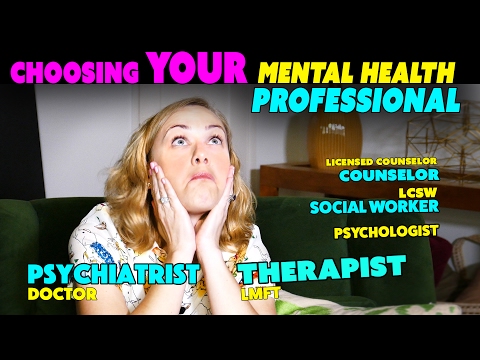
You know, when it comes to mental health, there’s a lot of confusion out there about who does what. I mean, seriously, it’s a bit of a maze.
So many titles get thrown around—psychologists, psychiatrists, counselors—you name it. Each one has its own vibe and focus. But who are they really? And how are they different from each other?
Let’s clear this up in simple terms. It’s kind of like comparing apples and oranges. They’re both fruit, but they serve up different flavors and benefits.
Ready to untangle this mental health puzzle with me? Let’s chat about it!
Understanding the Key Differences Between Mental Health and Psychology: A Comprehensive Guide
So, let’s chat about the differences between mental health and psychology. It can be a bit confusing, right? But once you break it down, it all makes sense.
Mental health refers to our emotional, psychological, and social well-being. It’s basically how we think, feel, and act. It impacts everything from how we handle stress to how we relate to others. For instance, when you’re feeling happy or relaxed, your mental health is probably in a good place. But if you’re anxious or sad for a long time? That might signal a mental health issue.
Now on the flip side, psychology is the scientific study of behavior and mental processes. It’s all about understanding why we do what we do. So psychologists dig into thoughts, feelings, and actions—trying to unwrap that complex mess of human experience. They work with theories and research to help explain our behaviors.
When talking about mental health roles, there are different types of professionals who deal with these areas:
- Psychologists: These folks typically have a Ph.D. or Psy.D., which means they’ve put in serious study time! They often provide therapy and use tests to understand your mental state better.
- Psychiatrists: Different ballgame! Psychiatrists are medical doctors who can prescribe medication for mental health conditions. They focus more on the biological aspects but still consider psychological factors.
- Counselors: Think of counselors as guides through life’s rough patches. They usually have a master’s degree and help people navigate life issues like relationships or stress.
- Social workers: These pros often help people access services in their community like housing or healthcare while providing emotional support.
So yeah, while they all care about your mental well-being, they come from different angles.
Still confused? No worries! Imagine you’re stressed out about work. A psychologist might talk through your feelings and behaviors around that stress while a psychiatrist could prescribe something to help manage anxiety symptoms.
It’s also worth noting that mental health care isn’t just for those with severe issues; it’s for everyone! Like going to the gym for your body—mental health check-ups can keep your mind fit too.
In summary: Mental health is broad—reflecting our overall emotional state—while psychology is more focused on the mechanics behind it all. Professionals within this field bring their unique skills to help improve our lives in different ways.
Remember though: you don’t need to figure this out alone! There’s always someone out there ready to lend an ear or some guidance whenever you need it!
Understanding the Differences: Clinical Psychologists vs. Other Mental Health Professionals
When it comes to mental health, you’ve probably heard about a bunch of different professionals—like clinical psychologists, psychiatrists, counselors, and social workers. But what’s up with all these titles? Seriously, it can get confusing fast. Let’s break it down so you can understand what each one does and how they differ from each other.
Clinical Psychologists are basically the detectives of the mind. They hold a doctoral degree in psychology and are trained to assess, diagnose, and treat mental health disorders. They often use therapies like cognitive-behavioral therapy (CBT) or dialectical behavior therapy (DBT). So if you’re dealing with issues like anxiety or depression, a clinical psychologist is someone who can help you work through those feelings.
Now, let’s talk about Psychiatrists. These folks are medical doctors. They went through medical school and have special training in mental health. What sets them apart is their ability to prescribe medications. If you’re really struggling with something severe—like bipolar disorder or schizophrenia—a psychiatrist might be part of your treatment team because they can offer medications that might help balance things out chemically.
Then there are Counselors. These professionals often have master’s degrees and focus on providing support and guidance during tough times. A counselor might help you cope with life changes like a breakup or academic stress. Their approach is usually more relational; they’re there to listen and guide rather than diagnose or treat deeper psychological issues.
Let’s not forget about Social Workers. They also typically have master’s degrees but focus more on connecting people with resources in the community besides counseling services. Think about it: if someone’s struggling financially or needs housing support while dealing with mental health issues, social workers are the ones who step in to offer practical solutions.
Marriage and Family Therapists, on the other hand, specialize in relationships. These therapists work on improving communication between partners or family members who might be struggling together through conflict or challenges.
So you see? Each type of mental health professional has their own role in helping people navigate life’s rollercoasters. Here’s a quick rundown to tie it all together:
- Clinical Psychologists: Assessing & treating disorders using therapy.
- Psychiatrists: Medical doctors prescribing medication for severe issues.
- Counselors: Providing support for life challenges.
- Social Workers: Connecting individuals to community resources.
- Marriage & Family Therapists: Focusing on relationship dynamics.
Understanding these differences helps you know who to turn to when times get tough—because finding the right person can make all the difference in your journey towards feeling better!
Understanding the Differences: Therapist, Psychiatrist, and Psychologist Explained
So, you’re curious about the differences between a therapist, psychiatrist, and psychologist? You’re in the right place! These roles can be a bit confusing, but once you break them down, it’s pretty straightforward. Let’s get into it.
Therapists are a broad category that includes anyone who provides mental health support. They can have various degrees and training. Typically, they work with clients on emotional and psychological issues through talk therapy. This could be anything from a licensed clinical social worker (LCSW) to marriage and family therapists (MFT).
- Focus: They help people deal with life challenges like stress, relationships, or anxiety.
- Methods: Most therapists use different types of talk therapies like cognitive-behavioral therapy (CBT) or dialectical behavior therapy (DBT).
Imagine Sarah—a 30-something dealing with anxiety after her job changed dramatically. She starts seeing a therapist who helps her unpack her feelings and learn coping strategies to handle stress.
Now, moving on to psychologists. These folks usually have doctoral degrees in psychology (Ph.D. or Psy.D.) and spend years studying human behavior and mental processes. They provide therapy, but they also focus heavily on assessments.
- Focus: Psychologists dive deep into understanding mental health conditions through testing and evaluations.
- Methods: Besides talk therapy, they might conduct psychological tests to diagnose disorders like ADHD or depression.
Let’s say you go to see a psychologist for persistent mood swings that seem more than just occasional ups and downs. They might give you specific tests to understand what’s really going on under the surface.
On the other hand, we have psychiatrists. They’re medical doctors who specialize in mental health. That means they can prescribe medication! Because of their medical training, psychiatrists often look at both the biological aspects of mental health disorders as well as therapeutic approaches.
- Focus: They primarily manage mental illnesses that may need medication alongside therapy.
- Methods: Besides prescribing meds like antidepressants or anti-anxiety drugs, psychiatrists can also provide therapy—but often not as long-term.
Picture this: Tom has been struggling with severe depression that doesn’t seem to lift even with counseling. He visits a psychiatrist who evaluates his situation holistically—prescribing medication while suggesting he continue seeing his therapist for ongoing support.
So yeah, what happens is that therapists focus more on talk-based methods without providing medications. Psychologists do similar work but add testing and diagnosis skills into the mix. And psychiatrists bridge both worlds by managing serious mental health issues with medication while sometimes offering therapy as well.
I know it seems complicated at first glance! But recognizing these differences can really help guide you—or someone else—when seeking out the right kind of mental health support. Each role plays its part in creating a supportive environment for better emotional well-being—it’s all about finding what works best for you!
You know, when we talk about mental health, it can get kinda confusing with all the different titles flying around. You’ve got psychologists, psychiatrists, social workers—you name it. Each role has its own vibe and purpose, which is super important when you’re looking for help.
Let’s take psychologists first. They’re often those folks who dive deep into your thoughts and behaviors. I remember a friend of mine who was struggling after a breakup. She started seeing a psychologist who helped her work through her feelings using talk therapy. They talked about everything from her childhood experiences to how she viewed relationships now. It was more than just chatting; it was like peeling back layers of an onion to uncover what was really going on in her heart and mind.
Now, if you shift to psychiatrists, they usually have a medical degree and focus on diagnosing mental health conditions—like anxiety or depression—and prescribing medication if needed. So think of them as the ones who can check both your head and your body’s chemistry if something’s off. My cousin went this route after feeling really down for months. He found that medication helped even out his mood swings, but he also started seeing a psychologist alongside to work through some personal stuff.
Then there are social workers; they often focus on connecting people with resources and support systems in the community. They might help you navigate life challenges like housing or job issues while also providing some counseling along the way. It’s kind of like having a cheerleader in your corner who also knows how to tackle practical hurdles.
And don’t forget about therapists! Some can be psychologists or social workers themselves! They might dabble in different approaches—like cognitive-behavioral therapy—to help you reshape negative thought patterns.
So yeah, each role has its own flavor—like choosing between chocolate ice cream, vanilla, or mint chip when you’re at an ice cream shop! But what’s most key is finding what fits you best at that point in your life. Mental health isn’t one-size-fits-all; it’s about figuring out what works for YOU!