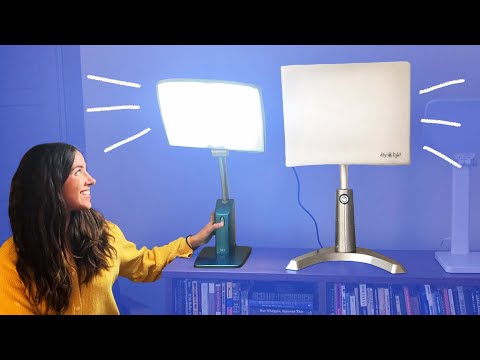
Feeling a bit down as the days get shorter? You’re not alone. Seriously, it’s like everyone gets hit with those winter blues.
But what if I told you there’s a simple way to brighten up your mood? Yeah, I’m talking about something as easy as light. Like, white light!
You might think, “How can light change my mood?” Well, it turns out, there’s some cool science behind it. And I’m here to spill the beans on how harnessing this light can lift your spirits when it feels like the sun’s ghosting us.
So let’s chat about how you can use white light to chase away those gloomy vibes and feel a little more like yourself again. Sound good? Cool!
Best Light Colors to Combat Seasonal Depression: Find Your Mood Booster
Seasonal depression, or Seasonal Affective Disorder (SAD) as it’s officially known, can really put a damper on your mood when the days get shorter and the skies turn gray. Light colors can actually help brighten things up. If you’re feeling a bit down, playing with light colors around you might be a game changer.
First off, let’s talk about white light. This is like sunshine in your home! It’s bright and helps mimic natural daylight. You know how you feel when you step outside on a sunny day? That boost in energy? White light can do that for you inside too. It’s often recommended in therapy lamps designed for SAD treatment.
Then there are colors like yellow. Seriously, this one can be so uplifting! It’s warm and cheerful, like the sun. Just picture sitting in a room painted soft yellow while sipping some tea—makes you feel cozy just thinking about it, huh?
Another color to consider is blue. Cool blues can bring calmness but also helps with focus. Think of those clear blue skies after a long winter—it’s refreshing! Use blue lights or decor to create that serene vibe.
Let’s not forget about green. It brings feelings of growth and renewal—perfect for spring vibes even when it’s cold outside. Fresh plants or green accents in your space can seriously lift your spirits.
And then there’s orange. This is vibrant and full of life! It has an energizing effect that might just push that sluggish feeling aside when winter drags on too long.
Wrapping all these ideas together, here’s what you could think about doing:
- Use bright white lights during the day.
- Add soft yellow hues around your living space.
- Incorporate blue tones for calmness and clarity.
- Add greenery to keep things fresh.
- Dabble with orange as a happy pop of color.
Experimenting with these colors might just help brighten your mood during those dreary winter months. And remember, it’s all about creating an environment that feels good to you. The little changes can lead to brighter days ahead!
Understanding White Light Therapy: A Bright Solution for Seasonal Depression
White light therapy is this interesting treatment that a lot of people have turned to for dealing with seasonal affective disorder (SAD). You know how when winter rolls in, and the days get dark way too early? Well, that lack of sunlight can really mess with your mood. White light therapy is all about finding a way to boost your spirits when natural light is hard to come by.
So, what’s the deal with it? Basically, white light therapy involves sitting near a specially designed light box that mimics natural sunlight. The idea is that you soak up this artificial light for about 20 to 30 minutes each day, especially in the morning. It’s like getting a little sun without having to worry about sunscreen or UV rays!
Here are some key points about how it works:
- Regulating Circadian Rhythms: Our bodies love routines. Light plays a big role in regulating your sleep-wake cycle and helps tell your brain when it’s time to be awake or asleep. So, when you expose yourself to this bright light in the morning, it can help reset those rhythms.
- Boosting Serotonin Levels: This therapy might increase serotonin levels, which basically keeps us feeling happy and focused. Low serotonin can lead to feelings of depression or anxiety. That’s no fun!
- Reducing Melatonin Production: Melatonin is what makes you sleepy at night. When there isn’t enough natural light during the day, melatonin production may stay high even when it shouldn’t. White light therapy helps balance that out.
Now, you might wonder if everyone can use it safely. The good news is most people can! But there are some things to keep in mind. If you’re sensitive to bright lights or have certain eye conditions like glaucoma or macular degeneration, definitely check with your doctor before jumping into this.
And here’s something personal: I once knew someone who struggled with SAD for years. They tried everything from exercise to medication but still felt down during winter months. Then they got a light box and started using it daily—it was such a game changer! Honestly, seeing them come alive again as spring approached was a beautiful thing.
You should also be aware of potential side effects—like headaches or eye strain—though they’re not super common if used properly. Make sure your light box is specifically designed for SAD, since regular lamps won’t cut it.
In short, white light therapy could be that bright spark you need during those gloomy months. By mimicking sunlight indoors, you’re giving yourself a chance at better moods when nature decides to dim the lights on you. Have questions? Feel free—I’m here for them!
Boost Your Mood: A Comprehensive Guide to Using Light Therapy Lamps for Seasonal Depression
Seasonal Affective Disorder (SAD) can really hit hard when the days get shorter and the sun seems like a distant memory. You may find yourself dragging through winter, feeling a bit more blue than usual. That’s where light therapy lamps come into play. Seriously, they can be a game changer for boosting your mood during those gloomy months.
So, what are these light therapy lamps? They’re special lamps that mimic natural sunlight. You sit in front of one for about 20 to 30 minutes daily—it’s pretty simple! The idea is that this exposure can help adjust your body’s internal clock and balance those pesky mood-related chemicals.
How does it work? Well, light influences your brain’s production of melatonin and serotonin. Melatonin is all about sleep regulation, while serotonin is linked with happiness. When there’s less sunlight, your body might crank up melatonin production while cutting down on serotonin, leading you to feel more sluggish or down. The right kind of light can help reverse that trend.
When looking for a lamp, pay attention to these things:
- Brightness: Look for lamps offering at least 10,000 lux. This brightness level has been shown to be effective.
- UV filter: Make sure it blocks out UV rays to protect your skin.
- Size: Go for a size that fits your space—you want it close enough for the best results.
- Adjustability: Some models let you adjust brightness or angle which can be super helpful.
- Avoid blue light: Blue light can mess with sleep patterns. Stick with full-spectrum lighting or warm white lights instead.
You might be wondering when’s the best time to use these lamps. Most folks find morning works best. It kicks off the day right and can help you feel awake and alert—kind of like drinking that first cup of coffee but without the jitters!
Now, here’s a personal touch: I had a friend who struggled with winter blues big time. She decided to try out a light therapy lamp after hearing about it from her therapist. At first, she was skeptical—sitting in front of a bright box didn’t sound too appealing! But after just a couple weeks of consistent use in the morning while sipping her coffee, she noticed huge differences in her energy levels and overall mood.
Of course, not everyone responds the same way to light therapy. So if you don’t see changes right away—or if you’re unsure—reaching out to a mental health professional is always smart.
In summary, light therapy lamps are a fascinating tool against seasonal depression challenges. By mimicking sunlight exposure, they can help regulate mood-related neurotransmitters and improve how you feel during those darker days. If you’re tired of feeling low when winter hits, give it some thought!
You know how, when winter rolls around, everything seems a bit dull? The days get shorter, and that sunshine we all love vanishes. It’s like someone hit a dimmer switch on our mood. I remember one particularly gray December when I just couldn’t shake this funk. I was dragging through my days, feeling pretty low. That’s when a friend mentioned white light therapy.
So, here’s the deal with this white light thing: it mimics sunlight and can really help lift your spirits during those darker months. Basically, it works by telling your brain it’s time to wake up and be happy. You sit in front of this bright light for about 20 to 30 minutes each day—easy peasy! It might sound a bit goofy at first, but the science behind it is pretty solid.
And what’s wild is how quickly you can feel a change. A couple of weeks into it, I was actually looking forward to mornings again! Who knew? The gray gloom didn’t seem so suffocating anymore.
What makes it even better is that you don’t need to live in a sunny climate to feel good during winter. Just having this little lamp in your space—maybe on your desk or even next to your comfy chair while you sip your coffee—can be a total game changer.
Plus, there’s something nice about creating that cozy vibe in your home while giving yourself a boost. You can read, work, or just chill out while soaking up all that «artificial sun.» It’s like bringing summer indoors when everything outside feels bleak.
In the end, harnessing white light isn’t just about tackling seasonal blues; it’s also about finding ways to take care of yourself and make the cold months more bearable. So if you’re feeling low as those winter clouds roll in again, maybe give it a shot! You might just find some brightness in those shorter days.