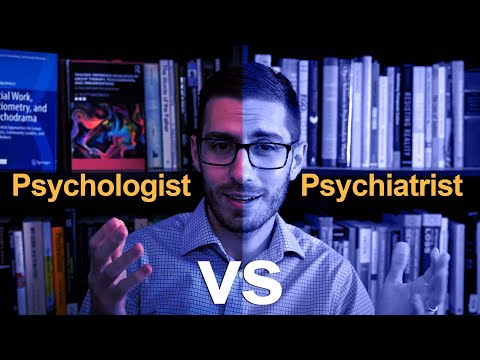
So, you’re curious about the money side of mental health, huh? It’s an interesting topic!
You’ve probably heard of psychologists and psychiatrists. They both help people but in different ways.
But, here’s the kicker: they don’t always earn the same amount. And if you’re wondering who rakes in more cash, you’re not alone!
Let’s break it down in a way that’s easy to digest. You ready to get into it?
Psychologist vs. Psychiatrist: Which Career is More Challenging in Mental Health?
So, let’s talk about the difference between psychologists and psychiatrists. They both play crucial roles in mental health care but have different training and focus. When trying to figure out which career is more challenging, it’s important to break things down.
First off, a **psychologist** generally has a doctoral degree in psychology. They focus on therapy, counseling, and research. You know, they’re the ones who help you sort through your feelings and thoughts. Their training includes understanding human behavior, often through courses in psychology theories and methods. Plus, they get hands-on experience with therapeutic techniques.
On the other hand, a **psychiatrist** is actually a medical doctor—like an MD or DO—who specializes in mental health. They go through med school first and then spend years learning about mental illnesses from a medical perspective. This means they can prescribe medication, conduct physical exams, and understand the biological side of mental health conditions.
Now here are some key points to consider about their challenges:
- Education Time: Getting there is no walk in the park for either. Psychiatrists usually spend more time in school due to their medical training.
- Job Responsibilities: Psychologists often deal more with therapy sessions and behavioral assessments while psychiatrists manage medication plans along with therapy when needed.
- Patient Interactions: Both roles require strong interpersonal skills but can be challenging for different reasons. Psychologists deeply explore emotions while psychiatrists may handle crises quicker due to their medical training.
- Work Environment: Psychiatrists might end up working in hospitals dealing with severe cases while psychologists could be found at schools or private practices focusing on therapy.
Take Sarah’s story as an example: she visited a psychologist after going through a tough breakup. Her psychologist helped her navigate that emotional storm over several weeks while giving her tools for coping. Then later on, Sarah felt she needed meds to deal with anxiety that was overwhelming her life; that’s when she saw a psychiatrist who prescribed her something to help balance things out.
In terms of earnings? Well, psychiatrists tend to make more money than psychologists simply because they’re medical doctors able to prescribe medications. But that doesn’t mean one is necessarily more fulfilling than the other; it really depends on what you want out of your career.
So which job is more challenging? It kind of boils down to personal preference and what aspects of care you find most taxing or rewarding. Some might find the intense schooling of psychiatry daunting while others may struggle with the emotional weight that comes from therapy sessions over years as psychologists do.
Ultimately, both paths are vital in supporting people’s mental health journeys—they just wear different hats!
Psychologists vs. Psychiatrists: Who Has the Higher Salary? Insights from Reddit Discussions
When you start looking into the salaries of psychologists and psychiatrists, it can feel like stepping into a whole other world. Seriously, they’re both in the mental health field, but they actually have different roles, training paths, and, yep, paychecks that tell a pretty distinct story.
First off, let’s break down what each does. Psychologists usually focus on therapy and counseling. They help people work through emotional and mental struggles using various therapeutic techniques. Psychiatrists, on the other hand, are medical doctors. They not only provide therapy but can also prescribe medications to treat mental health disorders. This medical background gives them a different playing field when it comes to earnings.
Now onto the juicy part: salaries. Generally speaking, psychiatrists tend to pull in more cash than psychologists. The average salary for a psychiatrist hovers around $220,000 per year while psychologists typically earn between $80,000 and $100,000 annually. That’s quite a difference!
You might be wondering why this is the case. Well, think about it like this: psychiatrists undergo more extensive training. They complete medical school and then some years of residency focusing on psychiatry. Psychologists usually have at least a master’s or doctoral degree in psychology but don’t go through medical training.
- A lot of users mentioned that the high demand for psychiatrists contributes to their salaries.
- Some noted that many psychologists end up teaching or doing research instead of full-time clinical work.
- There were interesting anecdotes about how location affects income as well; big cities often pay more.
While some folks love the idea of becoming a psychologist because they enjoy talking with people one-on-one and helping them feel better emotionally—or even just sharing life stories—others think psychiatry is worthy because it allows for treatment through medication as well as counseling.
But there’s another twist here too: job satisfaction doesn’t always match salary! Many psychologists claim they love what they do despite making less money compared to their psychiatrist counterparts. It often boils down to personal passion—whether it’s about helping patients or maybe leaning towards medical science.
In short? Your choice between becoming a psychologist or psychiatrist might involve some serious soul-searching about what kind of work lights you up inside—not just the dollars involved! So whether you’re thinking about your career or just diving into this topic outta curiosity—there’s tons to explore!
Understanding the Differences: Psychologist vs. Psychiatrist – Which is Right for Your Mental Health?
When it comes to mental health, the terms psychologist and psychiatrist often get thrown around like they’re interchangeable. But, trust me, they’re not! Each plays a unique role in your mental health journey. So, what’s the scoop?
First off, let’s talk about psychologists. They usually have a doctorate in psychology and focus on understanding behavior and emotions. Think of them as the folks who dig into your thoughts and feelings. They use talk therapy—like cognitive behavioral therapy (CBT)—to help you sort through your issues. So if you’re struggling with anxiety or just need someone to talk to, a psychologist might be your go-to.
On the flip side, we have psychiatrists. These guys are medical doctors. They can prescribe medication because they’ve got that M.D. attached to their names. Their training is all about understanding how biological factors influence mental health along with emotional ones. If you find yourself needing meds for depression or bipolar disorder, then seeing a psychiatrist would be logical.
So, when do you choose which? Here’s a quick rundown:
- If you want therapy without medication, go for a *psychologist*.
- If you think you might need medications along with therapy, see a *psychiatrist*.
- If you’re dealing with complex issues like severe mental illness that might require both approaches, working with both can be super beneficial.
Now let’s get into how they stack up when it comes to earnings. You might think that psychiatrists earn more since they have medical degrees and more responsibilities. Generally speaking, that’s true! Psychiatrists usually pull in higher salaries than psychologists due to their prescribing power and extensive schooling—often close to six figures right out of residency.
But here’s the thing: salary can also depend on where they work and their level of experience. For instance:
- A psychologist working in private practice can do pretty well too!
- Psychoanalysts—who are like psychologists but focus on deeper parts of the mind—can also earn high salaries but often require extra training.
It’s worth mentioning that although psychiatrists earn more overall, some psychologists may find great financial success depending on their specialization and clientele.
So what’s right for *you*? It really comes down to what you’re looking for at this point in your life. If it’s just talking through feelings or behaviors—definitely check out a psychologist first! But if you think meds are necessary or have been prescribed them before and need follow-up care—a psychiatrist should be the way to go.
Ultimately, both professionals offer valuable support but from different angles. To better understand your own situation might lead you one way or another in this maze of mental health care options!
Alright, so let’s talk about this whole psychologists vs psychiatrists earnings thing. It’s kind of interesting, right? Both professions are crucial in the field of mental health, but they’re definitely different in terms of training and what they do.
Psychiatrists are actually medical doctors. They go to med school, which means they spend a ton of time studying all things medicine—like way more than psychologists. Because of that medical background, psychiatrists can prescribe medications and really dive into the biological side of mental health issues. Usually, that also means they have a higher earning potential since they’re seen as specialists.
Now, psychologists focus more on therapy and counseling. They hold doctoral degrees in psychology and can engage with patients through talk therapy or assessments. While some might argue that the lack of prescribing power might keep their salaries lower compared to psychiatrists, it really depends on where you work. Some psychologists, especially those with lots of experience or working in private practice or specialized fields like clinical psychology or neuropsychology, can make pretty decent money too.
To give you a personal slant here—think about my friend Jake who was struggling with anxiety severe enough that he needed both types of professionals. He started off seeing a psychologist for talk therapy, which helped him unpack his feelings and thoughts. Later on, he visited a psychiatrist who eventually prescribed him some meds to help manage his symptoms better. It was that combination that really turned things around for him.
So yeah, if we look at the numbers: psychiatrists typically earn more than psychologists on average; think upwards of $200k annually compared to around $80-$100k for psychologists depending on experience and location. That said—and here’s where it gets juicy—passion matters too! Many folks choose these paths for different reasons beyond just the paycheck.
At the end of the day, it’s not just about who earns more—it’s about what resonates with you personally and how you want to contribute to mental health care!