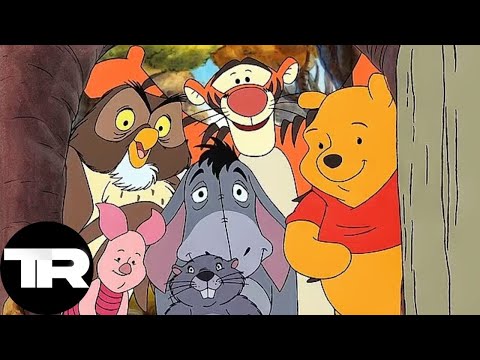
Winnie the Pooh, right? Just saying the name brings back so many memories. Those silly characters from the Hundred Acre Wood are not just cute and cuddly; they actually have some pretty relatable quirks.
Have you ever thought about how their personalities can reflect different mental health traits? Seriously, it’s wild. Like, each character seems to carry their own emotional baggage.
Let’s chat about Pooh, Tigger, Eeyore, and the gang. Most of us can see a bit of ourselves in them. So grab a cup of tea or something, and let’s explore what these beloved friends might reveal about our own feelings and struggles. You’ll see—there’s a lot more depth than just honey pots and bouncing around!
Exploring Mental Health Through Winnie the Pooh: What Each Character Represents
Winnie the Pooh is such a beloved classic, isn’t it? It’s interesting how each character can be seen as representing different aspects of mental health. They might not have been created with that in mind, but if you take a closer look, you’ll see some pretty relatable traits. Let’s explore what those characters might reflect about us and our emotional experiences.
Winnie the Pooh is often seen as the embodiment of simplicity and optimism. He loves honey, takes life slow, and has this carefree approach. You know that feeling when everything seems heavy? Pooh like teaches us to appreciate small joys. His character represents how sometimes all we need is a little sweetness and a laid-back attitude to cope with life’s challenges.
Then there’s Piglet. Poor Piglet is usually anxious about almost everything. He worries about being brave enough to face the world and constantly fears doing something wrong. Ever felt like that? Anxiety can really make everything seem daunting. But Piglet also shows us how courage isn’t about being fearless; it’s about moving forward despite those fears.
On to Eeyore, who’s like the embodiment of sadness or depression. His gloomy outlook reflects those days when everything feels gray. Eeyore’s struggles remind us that it’s okay to feel down sometimes; these emotions are valid too. He’s often overlooked but deeply relatable, showing that even in low times, we still matter.
Now we have Tigger, who’s full of energy and joy—like that friend who’s always bouncing off the walls! He represents hyperactivity and impulsivity. Tigger teaches us about enthusiasm but also highlights how important it is to balance excitement with understanding others’ feelings. Sometimes his energy can overwhelm folks like Eeyore or Piglet, which just shows the importance of being sensitive to those around us.
Rabbit brings a bit of structure into this motley crew, wanting things done just right! He often represents perfectionism and control issues—things we all struggle with at some point or another (seriously!). Rabbit’s desire for order sometimes clashes with his friends’ laid-back approaches, which can lead to stress for himself and others.
And then there’s Kanga, the nurturing mother figure who represents love and support in friendships. Kanga often acts as an emotional anchor for her son Roo, reminding us how important it is to have supportive relationships in our lives when we’re feeling out of sorts.
Lastly, let’s not forget Roo. He’s all about curiosity and innocence—like stepping into new experiences without fear or preconceived notions. Roo embodies resilience, demonstrating how kids learn from their surroundings while growing up amidst their friends’ unique personalities.
In short, each character in Winnie the Pooh brings out different shades of mental health experiences:
- Piglet: Anxiety.
- Eeyore: Depression.
- Tigger: Hyperactivity & impulsivity.
- Rabbit: Perfectionism.
- Kanga: Nurturing support.
- Roo: Curiosity & resilience.
These characters give us relatable snapshots of human emotions—showing us both struggles and strengths along this journey called life. So next time you revisit Winnie the Pooh stories, maybe think about what each character reminds you of in your own emotional landscape!
Exploring the Personality Traits of Winnie the Pooh Characters: Insights for Mental Health and Self-Discovery
When you think about Winnie the Pooh, it’s easy to see that these characters are way more than just cute animals in a children’s story, right? They actually represent a bunch of personality traits that can shed light on our own mental health and self-discovery journeys. Think about it: each character in the Hundred Acre Wood has their unique quirks, strengths, and struggles. Let’s break down some of them!
Winnie the Pooh himself is kind of like the embodiment of simplicity and contentment. He often goes with the flow, and yeah, he loves honey—who doesn’t? But seriously, his easy-going nature might suggest an attitude that’s focused on enjoying the little things in life. This can remind us how important it is to find joy in daily moments—even when things get tough.
Then we have Tigger. Oh boy, Tigger is full of energy! His playful spirit sometimes borders on reckless, which can be both awesome and overwhelming. He shows us what it means to embrace enthusiasm and optimism even if that can lead to some impulsive choices. So if you ever feel like bouncing back from a bad day, channel your inner Tigger for a bit!
On the flip side—and we’ve all been there—there’s Eeyore. Poor Eeyore often sees life through a grey lens. His melancholic demeanor offers insight into depression or anxiety struggles. It’s real for many people to feel like Eeyore sometimes—lost and gloomy. But here’s a thought: acknowledging those feelings is part of healing! Listening to Eeyore reminds us that it’s okay not to be okay all the time.
Now let’s chat about Piglet. This little guy is so sweet but often anxious about everything around him. His character perfectly illustrates how sometimes fear can hold us back from embracing new experiences or expressing ourselves fully. You know that feeling when you’re scared but want to be brave? Piglet teaches us that courage isn’t about not being scared; it’s about moving forward anyway.
And we can’t forget Rabbit, who is super organized and maybe just a tad controlling! He likes having everything in order, which brings up the idea of perfectionism—a common trait many people struggle with these days. The pressure Rabbit feels to keep things perfect can remind you that balance is key; being flexible beats being overly rigid any day!
Lastly, there’s Kanga and Roo, representing nurturing vibes and connection—the importance of relationships in our lives can’t be overstated! Kanga exemplifies support while Roo embodies curiosity and adventure. They show how vital it is for mental health to have someone cheering for you while encouraging your explorations.
So really, each character brings something valuable to the table when it comes to understanding ourselves better. Whether it’s Eeyore’s authenticity with feelings or Pooh’s simple joy in life—these traits reflect pieces of our own personalities too!
Next time you watch or read about Winnie the Pooh—and I totally recommend doing that—try thinking about what each character represents for you personally. It’s like free therapy with delightful honey on top!
Exploring Tigger’s Mental Health: Understanding His Behavior through a Psychological Lens
So, let’s talk about Tigger from Winnie the Pooh and what’s going on in his head. This bouncing ball of energy is always upbeat and ready for adventure, but there’s more to him than just those zippy jumps. You know? If we take a closer look at Tigger’s behavior, we can see some interesting stuff through a psychological lens.
Hyperactivity and Impulsivity
First off, Tigger is known for his extreme hyperactivity. He’s constantly on the move, bouncing around with an almost childlike enthusiasm. This kind of behavior might remind you of someone with Attention-Deficit/Hyperactivity Disorder (ADHD). Kids with ADHD often find it hard to sit still or control their impulses. And while Tigger seems super happy, this impulsive nature can lead him into tricky situations. Remember that time he accidentally got stuck in a tree? Classic!
Difficulty with Boundaries
Now, let’s think about boundaries. Tigger often barges into situations without really thinking about how others feel. Like when he introduces himself to everyone loudly and excitedly, not realizing that Eeyore might need space sometimes. This lack of awareness can be similar to social communication challenges seen in people on the autism spectrum. It’s like he genuinely doesn’t get why others might feel overwhelmed by his exuberance.
Need for Belonging
Another layer here is Tigger’s strong need for acceptance. He often seeks validation from his friends and gets pretty upset if they don’t appreciate his bouncy spirit or adventurous ideas. That feeling of wanting to fit in is universal; everyone wants to belong somewhere, right? But it can also point towards some deeper insecurities—like if you’ve ever felt left out or unnoticed in a group.
Coping Mechanisms
When things go awry, Tigger usually bounces back quickly—literally! His coping mechanism seems to be this endless joyfulness and energy. However, this could also reflect a kind of avoidance behavior where instead of dealing with tough feelings head-on, he just chooses to bounce away from them instead.
The Importance of Friendships
Ultimately, what really stands out about Tigger is the bond he has with his friends in the Hundred Acre Wood. Whenever he feels down or if something goes wrong (which happens), they’re usually there to support him back up. Having that strong social support system is crucial for mental health—you know? It reminds us all how vital it is to have people around who lift us up when we’re feeling low.
In summary, Tigger embodies a mix of traits that touch on various aspects of mental health—from hyperactivity and impulsive behaviors to social challenges and emotional needs for acceptance. Looking at him through this lens reveals just how complex even our favorite cartoon characters can be! It’s pretty neat when you think about it; after all, understanding these little quirks helps remind us that everyone has their own battles—even energetic ones like our buddy Tigger!
You know, it’s funny how a childhood classic like Winnie the Pooh can actually give us a peek into mental health traits. I mean, we all grew up with these characters: Pooh, Piglet, Eeyore, Tigger, and the gang. They’re not just cute animals; they’ve got some real emotional depth.
Take Eeyore for example. Poor guy is like the poster child for depression, right? He’s always gloomy and feels like nothing ever goes his way. It’s hard not to relate sometimes because who hasn’t had those days where everything seems bleak? I remember a time in college when I couldn’t shake off that heavy feeling—like my own personal rain cloud was following me around. Just like Eeyore, I felt lost in my own thoughts.
Then there’s Piglet—so anxious and worried about everything! You can really see how his anxiety plays out in his cautious nature. When he frets about being brave enough to join his friends on adventures, it feels real. It makes you think of those moments when your heart races just at the thought of trying something new or stepping out of your comfort zone.
Now let’s talk about Tigger! He’s all about that high-energy vibe but often comes off as impulsive and maybe even a bit overwhelming for those around him. While his enthusiasm is infectious, it can also be hard to manage at times—kind of like how some people bounce back from difficult situations while others might feel exhausted just trying to keep up after one bad day.
Pooh himself? Well, he embodies simplicity and contentment—finding joy in the little things, like honey or hanging out with friends. That carefree attitude is something we could all use more of! Remember when he gets stuck in Rabbit’s door after munching on too much honey? That moment reminds me that it’s okay to indulge sometimes—in life or food—just so long as we keep ourselves grounded.
Even though they’re fictional characters in a whimsical world, they mirror aspects of our emotional lives pretty accurately. Each character shows us different mental health traits: the struggles with sadness or anxiety and the importance of friendship and understanding our feelings along the way.
It’s comforting to think that we aren’t alone in our emotional ups and downs. Just like Pooh and friends work through their issues together (even if they occasionally get stuck in a sticky situation), we can lean on our buddies too while navigating this wild ride called life!