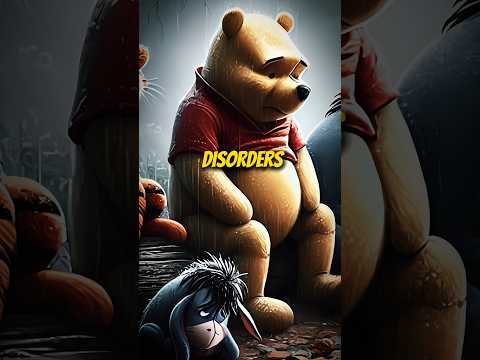
Okay, so here’s the deal. You know Winnie the Pooh, right? That little bear who loves honey and hanging out with his friends? Well, he’s got some pretty interesting pals, each with their own quirks.
Ever thought about what those quirks might say about us? I mean, it’s not just a cute kids’ story. There’s actually this thing called the Winnie the Pooh Disorders Test. Sounds wild, huh?
This test looks at how Pooh and his friends represent different mental health traits. Seriously! It shows us that even in a storybook world, there are lessons about our emotional lives.
So grab a comfy seat and let’s chat about these characters and what they reveal about you and me. It’s gonna be fun!
Understanding the Pooh Pathology Test: A Unique Approach to Analyzing Childhood Trauma and Emotional Development
The Pooh Pathology Test is, like, a pretty interesting way to look at childhood trauma and emotional development. You know, it’s based on characters from the beloved Winnie the Pooh stories. This test helps us understand how people identify with these characters, which can reveal a lot about their inner world and past experiences.
Here’s how it generally works: You take a close look at each character from the stories and think about which one you relate to most. There are characters like Pooh, who is sweet and loves honey; Tigger, with his bouncy energy; and Eeyore, who often feels down in the dumps. The character you connect with often says something about your emotional state or your coping mechanisms.
Now, let’s break down some of these characters:
- Winnie the Pooh: A symbol of comfort and simplicity. Relating to Pooh might suggest you have a nurturing side or seek comfort in relationships.
- Tigger: Full of energy and enthusiasm! If Tigger resonates with you, it could mean you’re someone who tackles life head-on but might struggle with impulsivity.
- Eeyore: Represents sadness or feeling overlooked. If you find yourself connecting with him, it might indicate experiences of disappointment or loss.
I remember helping a friend through some tough times once. They really related to Eeyore. Talking about it made them realize they felt stuck and often overlooked by their friends during hard moments. That realization helped them open up more about their feelings.
The idea here is that figuring out what these connections mean can shine a light on unresolved issues from childhood or even ways we cope with stress as adults. When we analyze our associations with these characters, it’s not just playful; it actually offers insights into our emotional health.
What’s crucial to keep in mind is that this test isn’t clinical—it’s more like a fun yet revealing way to explore emotions rather than diagnose disorders! It’s all about self-reflection. So if you’re ever curious about your own patterns or emotional history, giving this test a shot might be eye-opening!
Ultimately, while the Pooh Pathology Test sounds whimsical because of its charming origins, the psychological insights drawn from it are anything but childish. It reflects real struggles people face as they navigate through life—and understanding those can lead to healing and growth!
Unlocking Mental Health: Psychological Insights from the Winnie the Pooh Disorders Test
The Winnie the Pooh Disorders Test is an interesting way to look at mental health through the lens of beloved characters. It’s a fun, relatable approach that can spark deeper conversations about emotional experiences and psychological insights. Each character represents different traits and, in some cases, mental health challenges. Let’s break it down.
Winnie the Pooh himself is often seen as a symbol of simple happiness but also embodies traits of ADHD. He’s easily distracted by things like honey and can seem a bit forgetful. Seriously, have you ever seen him focus on just one task? This reflects how ADHD can show up in real life—like when you start cleaning your room but end up watching cat videos instead.
Then there’s Eeyore, who perfectly captures feelings of depression. He’s always down, seeing the glass as half empty. Sometimes it’s hard to cheer him up, which is real for many people dealing with depression. They might feel stuck in a fog, unable to see brighter days ahead.
On the flip side, we’ve got Tigger, representing traits of Bipolar Disorder. He’s full of energy and excitement one moment and then can swing to feeling a bit too much or out of control. The ups and downs he experiences give us insight into how this disorder can affect daily life—like being on a rollercoaster where you’re not sure when the next drop will hit.
Don’t forget Piglet, who shows signs of anxiety. He worries about everything from big storms to making friends. Ever feel like that? It’s exhausting! Piglet’s behavior reflects how anxiety can make even small situations feel enormous and overwhelming.
And then there’s Kanga and Roo; they embody aspects of nurturing relationships but also codependency issues at times. Kanga is protective, sometimes too much so, which can lead to challenges for both her and Roo as they navigate their independence while remaining close.
It’s fascinating because these characters serve as a springboard for discussing real-life mental health difficulties while keeping things light-hearted. You know? By using something as innocent as a children’s story, we open doors to serious conversations without all the heaviness that usually comes with those topics.
The beauty here is that by understanding these traits through familiar characters, we’re reminded that everyone has their own struggles. Mental health isn’t black and white; it shows up differently for each person—just like how each character handles their quirks and challenges in *Winnie the Pooh*.
So next time you watch or read about these characters, pay attention! They’re more than just playful figures; they reflect parts of us all dealing with various aspects of mental health every day.
Exploring Mental Health: Insights from the Winnie the Pooh Disorders Test
Well, let’s talk about the Winnie the Pooh Disorders Test. You know, it’s this quirky little way to peek into mental health through the lens of those beloved characters from A.A. Milne’s stories. It’s not your typical psychological assessment, but it gives some fun insights into different emotional struggles.
What is it? The test looks at how each character represents a different mental health condition. It’s kind of a playful approach to serious topics. Like, do you find yourself identifying with Eeyore? He’s often seen as depressed and pessimistic. Or maybe Tigger resonates with you, bouncing around with hyperactivity?
Here are some key takeaways from this unique perspective:
- Pooh: Often just focused on food and friendship, he might symbolize people who seem carefree on the surface yet deal with anxiety.
- Eeyore: His constant gloominess might reflect depression or generalized anxiety disorder. It can feel heavy to be in his shoes.
- Tigger: Always energetic and prone to impulsivity. Tigger could represent ADHD traits, reflecting that struggle to focus on anything for too long.
- Piglet: He embodies that sense of insecurity and social anxiety that many people feel—like when you really want to speak up but your voice feels stuck in your throat.
Each character shows us a piece of what mental health issues can look like in everyday life—that’s kinda refreshing.
Now picture this: Imagine sitting at a coffee shop with a friend who’s feeling overwhelmed. They’re kind of like Piglet, anxious about fitting in or meeting expectations. By putting a finger on these feelings using the talking points from Pooh’s gang, it can make conversations about mental health less scary.
Why does this matter? Well, sometimes art—be it cartoons or literature—makes tough stuff easier to digest. When you see aspects of yourself in characters like Eeyore or Pooh, it helps normalize those feelings instead of leaving you feeling isolated.
In exploring mental health through something as light-hearted as Winnie the Pooh, we not only raise awareness but also open up dialogue about these complex issues without making them so intimidating.
So yeah, next time you’re hanging out with friends or even just chilling at home, think about what these characters represent for you and others around you. It’s an interesting twist on understanding our emotional experiences!
Okay, let’s chat about something kind of fun and deep at the same time; ever heard of the Winnie the Pooh Disorders Test? It’s a quirky little way to peek into the world of psychological insights using characters from our favorite childhood stories. Seriously, it might sound silly at first, but when you really think about it, it’s like a mirror reflecting different sides of our personalities and mental health.
You know how Pooh is always getting into adventures while having his own unique quirks? Each character in that story has their own vibes—like Eeyore with his gloomy outlook or Tigger bouncing around full of energy. If you take a moment to consider them, it’s almost like they represent different aspects of mental health issues we all juggle in our lives. So, if you ever felt like your brain was running a bit Eeyore on some days and Tigger on others, you’re not alone.
I remember this one time I was feeling really down, like Eeyore-level down. A friend sent me a little note with a quote from Pooh about being there for each other. It hit me hard in the best way. It made me realize that connecting with others is so important when you’re dealing with those dark clouds in your mind.
The test itself? Well, it gives you an idea of which character you identify with most. Each one comes with its quirks but also a whole lotta love and warmth. Like Piglet is all about anxiety but has this huge heart trying to overcome fears daily! It’s comforting to know that even fictional characters can reflect real-life struggles; they make it okay to be vulnerable.
So here’s the thing: we all have our Pooh moments—those days where we’re just craving honey and simplicity—and our Eeyore days when everything feels too much. The beauty lies in embracing that mix without judgment because that’s what makes us human.
If nothing else, considering those beloved characters can spark conversations about mental health and how we relate to each other. Sometimes humor can unlock conversations that are otherwise tough to tackle head-on. Next time you find yourself lost in Hundred Acre Wood or engaging in some self-reflection through this test, remember: being real about your feelings is powerful stuff!