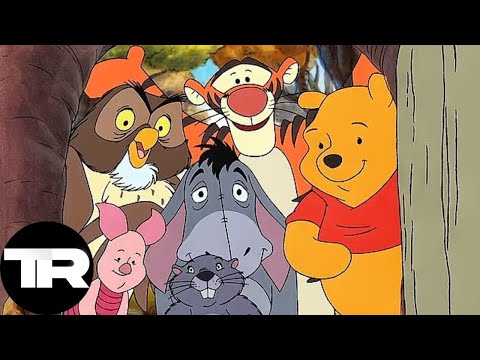
Okay, so let’s talk about Winnie the Pooh. Yeah, that cuddly bear we all love. Seriously, there’s so much more going on with those characters than just cuteness.
You ever notice how each character has this totally unique vibe? It’s like they’re all different personality types hanging out in the Hundred Acre Wood.
Think about it: Pooh is sweet and easygoing, while Tigger’s bouncing off the walls. Eeyore? Well, he’s like a walking cloud of gloom! And then there’s Piglet, always anxious but super caring.
It’s kind of wild to realize these little guys can teach us some big stuff about ourselves. You know what I mean? So grab a honey pot and let’s dig into the psychology behind their personalities!
Understanding Winnie the Pooh’s Disorder Theory: Insights into Mental Health Through Beloved Characters
Okay, let’s chat about something kinda fun and insightful—Winnie the Pooh and how he can teach us a lot about mental health and personality types. Sounds odd? Maybe. But hang with me for a sec.
So, A.A. Milne’s beloved characters have been analyzed in various ways, especially through a psychological lens. You might’ve heard of this idea called “disorder theory.” Basically, it looks at the characters as representations of different mental health issues or personality traits.
Pooh Bear himself is often seen as a representation of someone with **attention-deficit/hyperactivity disorder (ADHD)**. Like, he can’t sit still or focus on one thing for too long! If you think about it, he’s easily distracted by honey or the next adventure, right? This kind of behavior reflects impulsivity and difficulty in concentrating—big signs of ADHD.
Then there’s Rabbit. Oh man, Rabbit is the ultimate control freak, always trying to organize everything around him. He kinda reminds you of someone who might deal with **obsessive-compulsive personality disorder (OCPD)**. He has this strong need for order and structure that can be super exhausting not just for him but also for his friends.
Looking at Eeyore, we can’t ignore his gloomy outlook on life. He totally embodies **depression**. Eeyore seems to struggle with persistent sadness and low motivation—like when he says things like “You know I’m not much good at anything.” It’s heartbreaking but real; many people feel that way sometimes.
Now let’s not forget Tigger. His boundless energy and impulsiveness are classic signs of **mania** or maybe just someone who has an exaggerated personality type—like a kid on sugar overload! Tigger usually means well but can bounce around so much that it drives everyone else nuts!
And then there’s Piglet. Poor Piglet often experiences intense anxiety; he’s scared of many things! He represents folks dealing with generalized anxiety disorder (GAD). His worries seem bigger than they are sometimes but they feel very real to him.
In all these characters, we see traits we all know too well: anxiety, depression, mania… It’s like they’re little mirrors reflecting parts of ourselves back at us. These portrayals help normalize discussions around mental health issues without feeling heavy or scary.
The beauty here is that these characters invite us to think about our own emotions and experiences more openly. They remind us that everyone has their quirks and challenges—we’re all a bit like Pooh or Tigger or Eeyore in different ways. It makes talking about mental health feel less isolating.
So next time you find yourself watching those classic Pooh stories or flipping through the pages of the book, consider how these delightful creatures represent real-life struggles and triumphs in our emotional landscape. Isn’t that something?
Discovering Winnie the Pooh’s MBTI Type: A Fun Exploration of Personality in Literature
When you think about Winnie the Pooh, what comes to mind? Maybe it’s that lovable bear lounging around and enjoying his honey. But have you ever wondered what his personality type might be? Seriously, diving into the world of personality types can be a fun way to explore characters in literature. So let’s break down Pooh’s vibe using the MBTI (Myers-Briggs Type Indicator) framework!
Winnie the Pooh is often associated with the **INFP** type—Introverted, Intuitive, Feeling, and Perceiving. This might sound fancy, but let’s keep it simple.
Introverted: Pooh often enjoys his time alone or with just a few close friends like Piglet or Eeyore. He’s not one for large crowds or big social events. Instead, he seems to find comfort in peaceful moments—like when he’s daydreaming about honey.
Intuitive: Rather than focusing on hard facts and details, Pooh tends to go with the flow and trust his instincts. Think about how he intuitively knows when it’s time for an adventure or when his friends need him. He doesn’t get bogged down by specifics; he just follows his heart!
Feeling: This bear is all about emotions! Whenever his friends are feeling down or need support, Pooh is right there with comforting words or just a warm hug. His empathy shines through in every story—like that time he cheered up Eeyore after losing his tail.
Perceiving: Pooh would rather keep options open than stick to a strict plan. Remember those times he wanders off in search of honey without a clear path? That playful spontaneity is classic Perceiver behaviour. He enjoys life as it comes instead of trying to control every little detail.
Now let’s talk briefly about some of *his friends* and how they fit into this personality theory too.
Exploring these characters’ personalities helps us understand their interactions better and even reflect on our own traits! It’s fascinating how their strengths and weaknesses create a rich tapestry of friendship dynamics in the Hundred Acre Wood.
So next time you visit that world filled with imagination and warmth, consider diving deeper into their personalities! It adds a whole new layer to those delightful stories we love so much—and who wouldn’t want more honey-sweet adventures?
Exploring Eeyore’s Personality Type: Insights from Psychology and Mental Health
Eeyore, the beloved grey donkey from Winnie the Pooh, is often seen as a symbol of melancholy. His personality type can be analyzed through the lens of psychology, which helps us understand what makes him tick and why he resonates with so many people.
First off, Eeyore exhibits traits of a **melancholic personality**. This means he tends to be more reflective and serious. He often finds himself in a pessimistic mood, questioning things and seeing the glass as half empty. It’s like when you wake up and just feel like everything is going wrong before the day even starts. You know that feeling?
Another important aspect of Eeyore’s character is his high level of **self-doubt**. He often worries that he’s not good enough or that no one really cares about him, which is pretty relatable for a lot of folks out there. It’s easy to get caught up in those negative thoughts—like how sometimes you feel like you’re just dragging through life, heavy as a rock.
Eeyore’s way of viewing life can also stem from what some psychologists refer to as **anxiety** or even mild depression. This doesn’t mean he’s broken; it’s more about how his mind processes things differently. People with similar traits may find it hard to express joy or get excited about stuff, just like Eeyore might sigh at the thought of a birthday party or a butterfly flying by.
Interestingly, Eeyore does show moments of **dry humor and wisdom**. Even though he’s often down in the dumps, he sometimes has these profound insights that catch others off guard. It’s kind of like when your friend who always complains suddenly drops some golden advice that really makes you think—totally unexpected!
Another layer here is how Eeyore interacts with other characters in the Hundred Acre Wood. His friends try to lift him up but don’t always get it right. They might say something upbeat while he responds with a grunt or sigh, which shows how tricky it can be to connect with someone who isn’t feeling great. It’s important for friends to recognize when someone needs space versus encouragement; not everyone responds to positivity in the same way.
Plus, Eeyore’s behavior highlights **the importance of empathy** in relationships. When his friends take time to understand him instead of just brushing off his feelings, that’s when real connection happens—something we all crave deep down.
So think about this: how do you relate to people who seem perpetually gloomy but still bring something valuable into your life? Maybe you look past their frown and see their worth—just like Pooh and Piglet do with Eeyore.
In summary, exploring Eeyore’s personality teaches us valuable lessons about understanding different emotional states—both our own and those around us. It reminds us that while sometimes we might wear gray clouds over our heads, what matters most are those moments when we let others in and find connections amid our struggles.
You know, when you think about Winnie the Pooh and his friends in the Hundred Acre Wood, it’s kinda mind-blowing how they each represent different personality types. I mean, let’s break it down a bit.
Take Pooh himself. He’s like the ultimate easy-going dude, right? Always looking for honey and just taking life as it comes. That warm, carefree vibe? It’s classic laid-back personality type. He doesn’t stress much and rolls with whatever happens. It reminds me of my buddy Sam, who never seems to worry about anything—just shows up with snacks and a smile for whatever adventure we’re on. Honestly, we need more Poohs in our lives.
Then there’s Piglet. Now he’s that friend who’s always anxious about what might go wrong. You can totally see him freaking out about the smallest things! But he cares so much about his friends and has this huge heart underneath all that worry. We all have that one pal who gets a bit jittery but would run across town just to be there when you need them—their anxiety shows how much they care.
Now Eeyore is a whole different story! He’s like the king of melancholia. Poor guy just can’t catch a break, always feeling down and gloomy. Yet there’s something so relatable about him, right? Listening to him makes me think of those days when everything feels heavy—like when I had that tough week at work last year where nothing seemed to go right. Eeyore teaches us it’s okay to feel down sometimes; we all have those moments.
Then there’s Tigger! Oh man, if anyone embodies extroversion and enthusiasm, it’s him—bouncing around with energy that could light up a room! You gotta love his zest for life. But he also occasionally forgets that not everyone is ready to go at his pace—like my friend Jenna who just wants to take things slow sometimes.
And of course, Rabbit is the organizer of the group, always trying to keep things in check. A bit uptight but well-meaning—a classic Type A personality! I can relate here too; I know those people who thrive on structure (my roommate is one). Their desire for order can be both comforting and overwhelming!
So yeah, as simple as Winnie the Pooh stories might seem on the surface, they really reflect how diverse our personalities are in real life. Each character represents something unique about us—our fears, joys, quirks—all tied together by friendship and understanding each other despite our differences. It’s pretty heartwarming when you think about it!