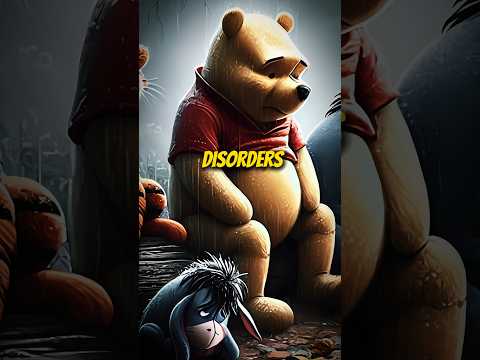
So, here’s a fun thought: what if you could learn about your mental health just by hanging out with some lovable bears? Sounds silly, right? But stick with me.
You know Winnie the Pooh and his crew—Tigger, Eeyore, Piglet. Each one of them has their quirks and emotions. Seriously! It’s like they’re a little family of feelings.
What if we used them to figure out how we’re feeling? You might be surprised at what you find out about yourself.
Let’s explore how these characters can give us insights into our own emotional landscapes. I promise it’ll be more fun than your usual psychology chat!
Discover Your Inner Character: The Winnie the Pooh Psychology Test Explained
The «Winnie the Pooh Psychology Test» is a fun way to explore your personality traits by associating yourself with characters from the beloved children’s stories. This test isn’t some kind of formal assessment, but more like a playful exercise in self-reflection. It’s about figuring out which character you relate to the most and what that says about your mental state or coping mechanisms.
How it Works
You simply think about the main characters from Winnie the Pooh: Pooh, Piglet, Tigger, Eeyore, and Owl. Each character embodies distinct personality traits and ways of dealing with life’s challenges. When you identify with one or more of these characters, it can give you insight into your own behaviors and thought patterns.
Here’s a quick rundown on each character:
- Winnie the Pooh: Often seen as laid-back and easy-going, he represents those who are gentle and nurturing but may also avoid conflict.
- Piglet: The anxious little guy who worries a lot—if you’re like him, you might often feel overwhelmed or insecure.
- Tigger: The bouncy optimist who’s all about enthusiasm and energy; if you relate to Tigger, maybe you’re full of life but sometimes struggle with focus.
- Eeyore: The gloomy friend who often feels down; this could resonate with folks who face chronic sadness or pessimism.
- Owl: The wise figure who likes sharing advice; relating to Owl might indicate a need for control or a tendency to intellectualize emotions.
So what does this mean? Well, when people connect with characters like Piglet or Eeyore, it might highlight underlying feelings of anxiety or low mood. On the flip side, identifying with Tigger can reveal someone who’s optimistic but maybe has trouble sticking to responsibilities.
The Takeaway
While it’s all in good fun, this test taps into serious psychological concepts like personality psychology and coping strategies. Finding which character resonates really allows for some personal exploration—like reflecting on how you respond in stressful situations.
Maybe think back to a time when you felt stuck in an Eeyore-like mood. You were probably feeling heavy-hearted while everything around seemed vibrant. Or perhaps there was an instance when your inner Tigger burst out during a moment of joy—shining brighter than your worries.
In short, this little test gives an entertaining peek into your psyche while allowing you to ponder how those character traits show up in your everyday life. So next time you’re feeling lost among adults’ responsibilities and pressures—or just want something lighthearted—give this whimsical approach a shot!
Exploring Mental Health: What Each Winnie the Pooh Character Represents in Psychology
So, if you’ve ever thought about how the characters from Winnie the Pooh represent different aspects of our mental health, you’re in for a treat. Seriously, these lovable characters are not just cute; they can actually give us some insights into human behavior and emotions. Let’s unpack this!
Winnie the Pooh is the main character here. He’s often seen as carefree and simple-minded, but he also represents optimism and simplicity. That kind of laid-back attitude can be really grounding for someone feeling overwhelmed. Pooh doesn’t worry too much about the bad stuff; he focuses on enjoying life, even if it’s just having honey.
Then we have Tigger, who’s like a burst of energy! He represents exuberance and hyperactivity. You know those days when everything seems exciting? Well, Tigger embodies that feeling. But sometimes his bounciness can lead to impulsivity—like when he jumps before thinking it through. He reminds us that while enthusiasm is great, balance is key.
Now let’s talk about Eeyore. Poor Eeyore is kind of the gloomy one in the group. He symbolizes depression and melancholia. His personality illustrates how some folks feel weighed down by their emotions. Eeyore has this way of viewing life as a series of challenges, which many people can relate to during tough times. It’s important to acknowledge those feelings without judgment. is a bit more organized than others—he’s always got plans! Rabbit represents anxiety and over-control. He likes everything neat and tidy, which can be cool until it starts making him stress out over little things. This struggle with needing control is pretty relatable when you think about how we all deal with uncertainty in life.
And don’t forget about Piglet. He may be small but carries big insecurities! Piglet embodies fearfulness and anxiety. His tendency to worry showcases how fear can hold us back from experiencing life fully. It resonates with anyone who has ever felt overwhelmed by what-ifs.
Lastly, there’s Kanga and Roo, who highlight the bond between a mother and child. This duo represents nurturing and attachment—a critical aspect of emotional development. Kanga’s role shows us how important support systems are for emotional well-being; she helps Roo navigate challenges while providing unconditional love.
So yeah, looking at these beloved characters through a psychological lens opens up some cool conversations about mental health aspects in our lives. They might just be cartoon figures in Hundred Acre Wood, but each one has something real to say about our own experiences!
Discovering Mental Health Wisdom: Life Lessons from Winnie the Pooh
In the world of children’s literature, Winnie the Pooh isn’t just a cute bear who loves honey. Seriously, there’s a whole lot you can learn about mental health from his simple yet profound wisdom. When you stop and think about it, this classic character actually embodies some key psychological insights that resonate with many of us in real life.
First off, Pooh’s simplicity is refreshing. He approaches challenges with a childlike curiosity that reminds us to take things easy sometimes. Life can get so complex, right? But Pooh teaches us to embrace simplicity and focus on what truly matters—like friendship and being present in the moment.
Then there’s his friendships. Pooh’s crew is quite a mix: Piglet, Eeyore, Tigger—you name it. Each character represents different emotional states. For instance, Eeyore often feels down but still finds ways to stick around and share moments with friends. This highlights the importance of social support when dealing with tough times. Having people around you can make all the difference.
Another thing to consider is how Pooh deals with emotions. He doesn’t shy away from feeling sad or scared—instead, he embraces those feelings. Remember that time when he was worried about getting lost in the Hundred Acre Wood? Well, instead of panicking, he took a moment to think things through and approach them one step at a time. You see? It’s all about validating your emotions rather than pushing them away.
And let’s not forget about mindfulness! Pooh enjoys his surroundings—the flowers, sunshine, and even his simple pot of honey! He teaches us to appreciate little things around us and find joy in them daily. Just think about how refreshing it would be if we all took a page from his book and focused on being more present.
Now onto curiosity. When Pooh goes on adventures—like searching for honey or just hanging out with friends—he approaches everything without expectations or fears about failing. He’s curious! This reminds you that being open to new experiences can foster growth and learning in your life.
In essence, Winnie the Pooh encapsulates some essential lessons about mental health:
- Simplify life.
- Value friendships.
- Embrace emotions.
- Practice mindfulness.
- Nurture curiosity.
So next time you watch an old Winnie the Pooh cartoon or read one of those delightful stories, remember—it’s not just for kids. There’s so much wisdom packed into these pages that you may end up finding some comfort or clarity amid your own life’s chaos!
Alright, so let’s chat about this whole “Winnie the Pooh Psychology Test” thing. You might be thinking, “Wait, what? A kid’s cartoon?” But hang on a sec. There’s actually some cool stuff buried in those pages of honey and friendship.
So, here’s the deal. The idea is you take a peek at the characters from the Hundred Acre Wood and see which one vibes with you most. Are you more of a Pooh, just kinda floating through life looking for snacks and cozy moments? Or maybe you’re an Eeyore, feeling that constant cloud hanging over your head? You know what I mean?
It’s interesting because these characters represent different aspects of personality and mental health. Like, Pooh is all about simplicity and enjoying the little things. That’s something we could all learn from sometimes, right? Then there’s Piglet, who worries way too much but is also super loyal—a reminder that anxiety doesn’t take away your capacity to care for others.
I remember once chatting with a friend who really connected with Tigger. They were always bouncing off the walls and spreading joy around like confetti. But when they hit a rough patch—maybe like Eeyore—but still tried to put on a brave face, it got me thinking: sometimes our inner character doesn’t always match how we act outwardly.
This whole test can shed light on how we function in relationships or handle stressors too. It’s sort of like holding up a funhouse mirror to your mind—sure it’s playful and light-hearted but can also show some pretty deep insights about yourself. It kind of reminds you that it’s okay to be who you are—whether that’s cheerful like Tigger or reflective like Owl.
And let’s not dismiss how talking about these characters can make conversations about mental health feel less heavy. Seriously! You can talk about real feelings without diving straight into the gloominess of serious topics.
So yeah, embracing your inner Winnie the Pooh or whoever else can lead to essential conversations about who we are and why we feel the way we do. It helps bridge that gap between psychology and our everyday experiences—just like our buddy A.A. Milne intended all along!