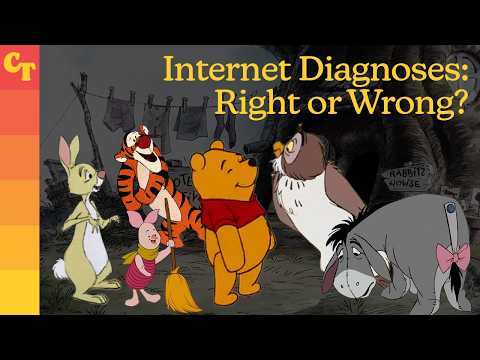
Okay, so check this out. Ever thought about Winnie the Pooh in, like, a whole new light? I mean, we all loved those stories growing up. They’re sweet, right? But what if I told you there’s a darker angle to them?
Imagine Pooh dealing with something really heavy. Shadows lurking behind the honey pots and sunny days—sounds wild, huh?
Schizophrenia is a tough topic, for sure. It’s not something we usually connect with our favorite bear and his pals. But stick with me for a second. There’s some fascinating stuff to unpack here.
So grab your favorite snack—maybe honey? And let’s explore what happens when childhood innocence meets the complexities of mental health. It might just change how you think about Pooh and the Hundred Acre Wood forever.
Exploring Tigger’s Mental Health: Understanding the Character’s Behavioral Traits and Their Implications
So, let’s chat about Tigger from *Winnie the Pooh*. I mean, this bouncy little guy is hard to miss, right? But have you ever thought about what’s going on beneath that cheerful exterior? Understanding Tigger can give us some insight into mental health and how behaviors might reflect deeper issues.
Tigger’s Boundless Energy
Right off the bat, Tigger is all energy. Seriously, it’s like he’s got a never-ending supply of bounce. This trait can feel contagious at first glance, but it might also point to something more complicated. You see, people with certain mental health conditions often display excess energy or restlessness. It could be a sign of underlying anxiety or even mania in some cases.
Impulsivity and Risk-Taking
Then there’s his impulsive nature. Tigger dives into situations headfirst without really thinking things through. Imagine being out hiking and deciding to leap off a cliff into the water below—crazy, right? Well, that kind of behavior in real life can be linked to conditions like ADHD or bipolar disorder. Impulsivity can lead Tigger (and anyone) into troublesome situations that might need some extra care.
Social Interactions
Tigger often struggles with friendships too. Take his interactions with Pooh and friends; he sometimes interrupts or overshadows their feelings. While he means well, his behavior can create distance between him and others. This could reflect a lack of understanding of social cues common in certain mental health conditions like autism spectrum disorder (ASD). So you see? There’s more than just playful bouncing here.
Hyperactivity vs. Depression
Now here’s something interesting: Tigger seems happy all the time, but could that indicate something else? Hyperactive behaviors often mask underlying feelings of sadness or inadequacy. There are moments when Tigger feels lonely or misunderstood despite being surrounded by friends—sort of like putting on a brave face while feeling down inside.
The Importance of Support
What we learn from Tigger is really about finding that support system we all need sometimes. Friends like Pooh show patience and understanding toward him as he navigates these ups and downs. It reminds us how important it is to have empathetic people around us when facing our own mental health challenges.
Tigger’s character raises questions beyond just fun adventures; they touch on real emotional experiences that many people go through. He may seem one-dimensional at times but honestly—it opens the door for conversations about mental health awareness in everyday life! So next time you watch *Winnie the Pooh*, take a moment to think about what makes Tigger tick—pun intended!
Living with Schizophrenia: Understanding How Many People Lead Fulfilling Lives
Living with schizophrenia can feel like navigating through a foggy landscape. You’re not alone in this journey, and many people manage to lead fulfilling lives despite the challenges. Let’s chat about how that happens and what it really looks like day-to-day.
First off, **schizophrenia** isn’t just one thing. It’s a complex mental health condition that often messes with your thoughts, feelings, and perceptions of reality. Think of it as a brain that sometimes plays tricks on you. You might hear voices, see things others don’t, or feel completely disconnected from what’s happening around you.
But here’s the kicker: so many individuals living with schizophrenia find ways to thrive! They create solid support systems, stick to treatment plans, and engage with the world in meaningful ways.
Here are some key points about how people navigate life:
- Support Systems: Having friends and family who understand can make all the difference. Support groups are also huge; they give you a space where you can share experiences and find camaraderie.
- Treatment: Medications play a vital role for many folks. They help stabilize mood and curb symptoms. Therapy is also essential—whether it’s cognitive behavioral therapy or something else.
- Routine: Establishing daily routines can help ground someone dealing with schizophrenia. It offers structure and predictability when everything feels chaotic.
- Self-Care: Taking care of your physical health by eating well, exercising, and getting enough sleep makes an enormous impact on mental well-being.
Let’s not beat around the bush; it can be tough at times. There might be days when it feels like you’re in a battle with your own mind. I remember a story from someone named Jake he often felt overwhelmed by racing thoughts and occasional hallucinations. But he found solace in painting! It was his escape—a way to express himself when words failed him.
And get this: pursuing hobbies that ignite passion or provide joy can transform those dark moments into something beautiful! A love for music, crafting, or writing—these outlets serve as incredible ways to connect with yourself and others.
Another important aspect is **education**—not just for those living with schizophrenia but for everyone around them too. The more people understand what this condition is really about—its ups and downs—the less stigma there is attached to it. Education empowers both individuals living with schizophrenia and their communities to build more inclusive spaces.
To wrap it up: living with schizophrenia might come with its hurdles, but countless folks lead fulfilling lives filled with creativity, connection, self-discovery—and yes—even joy! Yes, there will be challenges along the way; life has its twists no matter who you are. But there’s plenty of light out there too! So if you or someone you know is navigating this path remember: it’s possible to live fully amidst the shadows.
Exploring Schizophrenia Through the Lens of ‘Winnie the Pooh and the Shadows’ Movie
So, the movie “Winnie the Pooh and the Shadows” takes a really unique approach to exploring schizophrenia. It’s kind of wild how it blends childhood nostalgia with a serious mental health topic, right? The film offers a window into what living with schizophrenia can feel like, and it does so in a way that’s both gentle and insightful.
To start off, **schizophrenia** is a complex mental health condition. People who have it may experience things like hallucinations or delusions, which can seriously impact their daily lives. In the movie, Pooh and his friends encounter various shadows that symbolize these experiences. These shadows are not just for show; they represent the unseen challenges people with schizophrenia face every day.
Hallucinations are one of the main features of schizophrenia. In the film, there are moments when characters see things that aren’t really there—a dark shadow looming here or a voice calling out there. This visually illustrates how overwhelming these experiences might be. Imagine sitting in your favorite café and suddenly thinking you see someone from your past whispering secrets to you—that’s kind of what it’s like!
Now let’s talk about delusions. These are beliefs that seem real to the person but aren’t grounded in reality at all. Take Eeyore’s gloomy outlook on life; he sometimes believes no one cares about him or that nothing good ever happens. This mirrors how someone might feel trapped in their own mind due to false beliefs—a pretty heavy theme for a kids’ movie!
The film also touches on social isolation. Pooh and friends go through periods where they feel distant from each other or misunderstood by those around them. This reflects a common issue faced by those living with schizophrenia. It’s like being at a party but feeling completely alone in a crowd—hard to shake off.
Another important aspect is support systems. Throughout “Winnie the Pooh and the Shadows,” we see how friends rally around Pooh as he navigates his struggles with these shadows. They don’t always understand what he’s going through, but they try their best to support him no matter what! This highlights how crucial empathy and understanding are for anyone dealing with mental health issues.
The animation itself creates a dreamy quality that adds depth to the story—almost like wandering through your own mind’s maze when you’re feeling lost or confused. And let’s be real; kids might not fully grasp all this right away, but adults will definitely pick up on those deeper messages while watching.
In short, “Winnie the Pooh and the Shadows” isn’t just a cute film for kids; it serves as an engaging way to explore some heavy topics around schizophrenia—including hallucinations, delusions, isolation, and support systems—all packaged neatly within familiar characters we love.
So yeah, it’s pretty incredible how media can open up conversations about mental health in such creative ways!
You know, it’s kind of interesting to think about how a lovable, cuddly bear like Winnie the Pooh could actually connect to something as serious as schizophrenia. I mean, on the surface, Pooh and his friends in the Hundred Acre Wood are just there for fun and adventure. But when you dig a little deeper, there’s this whole world of emotions and struggles that resonate with mental health.
Take Eeyore, for example. The poor guy is always down in the dumps. You can’t help but feel for him when he’s dragging around that gloomy demeanor. It’s like he represents those moments when life feels heavy and dark, you know? Sometimes folks dealing with schizophrenia might feel similarly—like they’re battling shadows that loom over them, distorting reality or making it hard to connect with others.
And then there’s Tigger. He’s always bouncing around, full of energy. But think about how he sometimes flits from one thing to another without really stopping to consider what’s going on around him. That kind of whirlwind can echo the racing thoughts or disorganized thinking sometimes experienced by people with schizophrenia. It’s not all rainbows and sunshine; sometimes it can feel chaotic and overwhelming.
When I was younger, I remember hanging out with my friend who struggled with her mental health. She loved Winnie the Pooh too. One day, after she had a tough episode where everything felt jumbled up in her head, we watched some old cartoons together. There was something comforting in seeing these characters who’d face their own challenges but still found their way through the ups and downs together. It was like a reminder that even if our minds feel messy or cloudy at times, there’s still hope for connection and understanding.
So yeah, while Pooh is just a bear who loves honey and friendship, it makes you realize how stories can mirror real-life experiences—especially those dealing with something complex like schizophrenia. They help us foster empathy for one another while reminding us that we’re all just trying to navigate our own forest of feelings, fears, and maybe even shadows along the way.