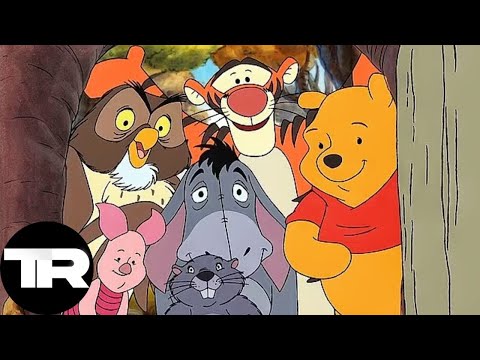
So, let’s talk about something kinda fun but also super revealing: the Winnie the Pooh Test. Yeah, you heard that right!
You might be thinking, “What does a fluffy bear have to do with my feelings?” Well, it’s way more connected than you’d think.
This little quiz gets you to reflect on your emotional state using characters from the Hundred Acre Wood. It’s goofy and light-hearted, but it could spark some real insights into how you’re feeling.
And honestly? Sometimes we all need a reminder that it’s okay to be a little silly while taking a serious look at our mental health. Ready to explore?
Understanding the Winnie the Pooh Test: What It Measures and Its Insights into Mental Health
The Winnie the Pooh Test is something a bit different in the world of mental health assessments. You might be wondering, what’s it all about? Well, it’s designed to help you explore your emotional state and how you relate to others. The test basically uses characters from the beloved children’s stories to get some insights into your personality and feelings.
What does it measure? This test focuses on your emotional wellbeing by having you identify with various characters. Each character symbolizes different traits and emotions. For instance:
You see, when people take the test, they’re asked which character they relate to most. The idea is that our preferences reveal something about our inner thoughts and emotions.
But how exactly does this connect to your mental health? When you choose a character, it can highlight aspects of your personality or emotional struggles. For example, if you pick Eeyore, it might indicate you’re feeling down or overwhelmed. It’s kind of like peeking into a mirror that reflects parts of yourself.
Let’s consider an anecdote: Imagine Sarah, a young woman who has been feeling stressed at work. When she takes the Winnie the Pooh Test, she identifies mostly with Piglet. As she reflects on this choice, she realizes her constant worries about not being good enough are tied to her anxiety levels. Recognizing this gives her insights into why she’s struggling.
Why do we care? It’s not about labeling yourself but understanding where you’re at emotionally. This can lead you toward seeking support if needed or just accepting where you are for now. Emotional awareness is a big step towards improving mental health.
Although it’s not scientifically rigorous like some other tests out there, its charm lies in its simplicity and relatability. It makes heavy concepts easier to digest by connecting them with familiar characters — characters we all grew up loving!
So remember, whether you’re Pooh bear-ing through life happily or finding yourself more like Eeyore sometimes—it’s okay! Taking the time to understand these emotions is crucial for your mental wellbeing. After all, everyone has their ups and downs; it’s just part of being human!
Exploring the Emotions of Winnie the Pooh: A Deep Dive into the Psychological Lessons Behind the Characters
So, let’s talk about Winnie the Pooh and his friends. You might think it’s just a cute kids’ story, but there’s a lot going on under the surface. These characters actually give us some pretty cool insights into emotions and mental well-being.
First off, you’ve got **Winnie the Pooh** himself. He’s all about simplicity and the joy of friendship. Pooh teaches us that it’s okay to take things slow and simply “be” in the moment. Remember when he just sits around enjoying honey? It’s a great reminder to delight in simple pleasures. Sometimes we forget to do that in our busy lives.
Then there’s **Piglet**, who is always anxious about something or other. His character really highlights feelings of insecurity and fear. That little guy worries way too much! But what he also shows us is that it’s okay to feel small or scared; it doesn’t make you any less brave for confronting those feelings, you know?
**Eeyore**, oh man, poor Eeyore! He often feels down and left out, which can remind us of depression. But despite his gloomy demeanor, he still has friends who care about him deeply. This illustrates how important social support is when you’re feeling low—like having that one friend who texts you to check in.
Next up is **Tigger**, bursting with energy! He represents enthusiasm and joyfulness but also can be a little reckless at times. Tigger teaches us that being lively can be great, but it’s also essential to be mindful of others’ feelings while bouncing around like crazy!
And finally, let’s not forget **Owl** who thinks he knows everything but often gets things wrong. This makes a great point about overconfidence and how sometimes our beliefs don’t match reality. Owl’s character reminds us that learning is an ongoing journey for everyone.
Now, if you’ve heard about the *Winnie the Pooh Test*, it actually uses these characters as a framework for understanding emotional states in adults. The idea is that by identifying with a character, you might reflect on your own emotional well-being:
- Piglet: Do you often feel anxious?
- Pooh: Are you taking time to enjoy life?
- Eeyore: Do you struggle with feeling down?
- Tigger: Are your high-energy moments balanced?
- Owl: Do you sometimes overestimate what you know?
In short, all these characters represent different facets of human emotion—fear, joy, sadness—and they show how intertwined our feelings really are. Just like in real life, we’ve got to face all these emotions every day.
Maybe next time you’re chilling with your favorite Pooh bear book or movie, pay attention not just to their adventures but also what they teach us about our feelings! It can totally give you perspective—who knew cartoon bears could help with mental health?
Exploring the Psychological Dimensions of Winnie the Pooh: A Deep Dive into Character Analysis
Winnie the Pooh is more than just a lovable bear. Seriously, if you think about it, A.A. Milne created this enchanting world that’s packed with emotional depth and individual quirks that we can totally relate to. Each character in the Hundred Acre Wood represents different aspects of our psychology, making them ripe for analysis. It’s like they’re tiny mirrors reflecting our own quirks and struggles!
Let’s start with Pooh himself. He’s often characterized by his sluggishness and love for honey, but there’s way more going on. You see, Pooh embodies a laid-back attitude toward life that can remind us to slow down and enjoy the little things. But what happens when his constant forgetfulness leads him into trouble? It’s like that nagging feeling of anxiety when you can’t find your keys—frustration builds up!
Then there’s Piglet. This little guy is all about anxiety. He worries about everything from the weather to whether or not he’ll run out of honey! His character helps us understand how deep-seated fears can hold us back from enjoying life fully. You know that moment when you hesitate to join a social event because you’re worried it might go wrong? Yeah, Piglet feels you on that one!
Now take Eeyore—the gloomy donkey. His constant pessimism represents depression, which many people face at some point in their lives. Eeyore shows how someone with this condition might feel isolated and misunderstood despite having friends around them. Remember the time he thought no one cared about his birthday? It hits hard when you feel invisible while surrounded by others.
And then we’ve got Tigger, who’s all energy and enthusiasm! He symbolizes that urge to be spontaneous and carefree but can also illustrate the challenges faced by those with ADHD or hyperactivity. Tigger’s bounciness comes off as fun but sometimes gets in the way of understanding boundaries or social cues.
Lastly, let’s chat about Rabbit—a character driven by perfectionism and control issues. Too often, he feels overwhelmed trying to keep things orderly in his life or fix everyone else’s problems—kind of like that friend who always has a plan but is secretly stressed out about it! Ever felt like you have too much on your plate? Hey, Rabbit gets it.
The “Winnie the Pooh Test” capitalizes on these attributes to offer insights into emotional well-being based on which characters resonate with you most. So if you find yourself identifying more with Eeyore than Tigger, it might indicate where you’re at emotionally right now.
All these characters together weave a fabric of emotions we all experience—like threads in a tapestry of mental health struggles and joys! They show us just how complex our feelings can be while reminding us we’re all in this together…even if some days feel heavier than others.
So next time you revisit this classic tale, take a second look at what these beloved characters might reveal about your own emotional landscape—because here’s the thing: understanding yourself better is always worth it!
You know that moment when you realize life has a way of mirroring the characters we grew up with? I mean, who would’ve thought that a simple children’s tale, like Winnie the Pooh, could hold a mirror to our emotional well-being? It’s kind of wild when you think about it.
The “Winnie the Pooh Test” has popped up as this playful way to frame our emotional styles. It invites us to pick a character that resonates with us. Are you more like Piglet, always anxious and worried about what might go wrong? Or maybe you’re Tigger, bouncing around full of energy and enthusiasm but maybe not always thinking things through. Or perhaps you find yourself sitting quietly, contemplating everything like Eeyore. Each character represents different coping mechanisms and emotional responses.
I remember chatting with a friend once who felt like Eeyore in a world full of Tiggers and Piglets. They were going through a rough patch and just couldn’t shake off that cloud. It was pretty tough for them to see how much brighter things could be if they just leaned into their feelings or opened up about them more. Like, we all have our days—some are definitely sunnier than others!
What’s fascinating is how these characters can help us name what we’re feeling without feeling all heavy about it. So if you’re having an Eeyore moment, it’s okay! That doesn’t mean you’re doomed; it just means you might need some extra care or support right then.
In some ways, this test nudges us toward understanding ourselves better—what drives us, what causes stress or joy—and how we connect with others emotionally. Plus, sharing your character choice with friends can spark some real heart-to-heart conversations about mental health, which is something we don’t do enough of.
It’s almost comforting to know that Winnie the Pooh and his pals can teach us so much about our own emotional landscapes, isn’t it? At the end of the day, we’re all just trying to navigate this thing called life—one honey pot at a time!