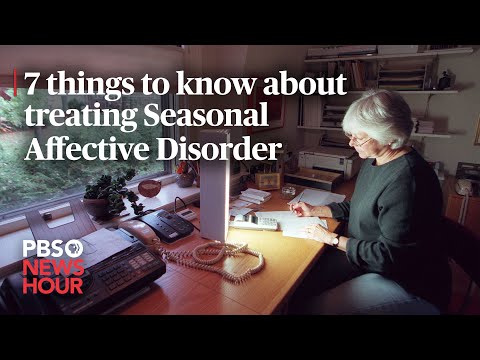
Winter can be tough, you know? The cold, dark days really mess with your mood.
You wake up and it’s still dark outside, and by 5 PM? It’s like the sun just gave up for the day. Seriously, who can feel good in that kinda vibe?
That’s where Seasonal Affective Disorder comes in. It’s like your brain takes a little vacation when winter hits. And trust me, you’re not alone in feeling this way.
Let’s chat about it. There are ways to cope with those winter blues so you can get through the season feeling a bit brighter!
Effective Strategies for Coping with Seasonal Affective Disorder (SAD): Tips for a Brighter Winter

Seasonal Affective Disorder, or SAD, is kind of a buzzkill when winter rolls around. The days get shorter, the weather’s colder, and that sunshine you love? Yeah, it’s hiding. This can really hit hard emotionally and mentally. But there are definitely ways to cope with it. Here are some effective strategies to help you tackle those winter blues:
Light Therapy
One of the first things that can help is light therapy. You basically sit in front of a special lamp that mimics natural sunlight for about 20-30 minutes a day. It can really do wonders for how you feel! Just imagine curling up with your morning coffee and soaking in that artificial sunshine—definitely a mood booster.
Stay Active
You know what they say: movement is medicine! Even when it’s chilly outside, finding ways to stay active can make a big difference. Try indoor exercises like yoga or follow an online workout video—anything to get your blood pumping! Some folks even brave the cold for outdoor activities like hiking or sledding; just make sure to bundle up.
Social Connections
Connecting with friends or family can light up those gloomy days too. Seriously, plan a game night or reach out for coffee. There’s something about sharing laughs that makes winter feel more bearable. And hey, even just texting a friend can brighten your mood.
Nutrition Matters
What you eat can also play a role in how you feel throughout those long months. Focus on foods rich in vitamins D and B12—think eggs, fish, and leafy greens! Comfort food is all good in moderation too; just don’t go overboard on sugary stuff since it might make your energy crash later.
Meditation and Mindfulness
This one might sound fluffy, but give it a shot anyway: practicing mindfulness through meditation or deep breathing exercises helps ground you when everything feels heavy. Even just taking five minutes to focus on your breath can push away those negative vibes.
Create a Cozy Atmosphere
Don’t underestimate the power of your space! Get comfy by adding warm blankets, candles, or even fairy lights to brighten up dark corners of your home. Seriously—it’s amazing how creating an inviting atmosphere can lift your spirits when you’re stuck inside.
Scheduling Fun Activities
Planning events to look forward to during winter helps break up the monotony! Whether it’s game nights with friends or movie marathons at home, having something fun on the agenda gives you little bursts of joy during those darker months.
In summary: SAD might be tough to deal with as winter sets in—but you’ve got options! Whether it’s through light therapy or connecting socially with people around you—you’re totally capable of making this season brighter despite what’s happening outdoors. Just remember: each day brings the promise of spring closer! You’ve got this!
Top Supplements to Alleviate Seasonal Affective Disorder Symptoms
Seasonal Affective Disorder, or SAD, can throw a real wrench into your winter vibes. You feel tired, moody, and just plain off. A lot of folks find relief through light therapy or talk therapy, but did you know there are also supplements that might help ease those symptoms? Let’s break down some of the top contenders.
Vitamin D is one of the big players here. During winter months, with less sunlight, many people end up with low Vitamin D levels. This vitamin plays a crucial role in mood regulation. Some research suggests that taking Vitamin D supplements can help reduce feelings of sadness and improve overall mood. Just remember to check with your doctor about the right dosage before jumping in.
Then there’s Omega-3 fatty acids, found in fish oil. These fats are good for you—seriously! They’re linked to brain health and can even help combat depression symptoms. If you’re not into fish or don’t eat it often, a quality Omega-3 supplement could be worth considering.
Another option is St. John’s Wort. This herbal supplement has been used for ages to tackle mild depression and anxiety. While it might work for some, it interacts with lots of medications, so definitely touch base with a healthcare provider before starting it.
Let’s not forget about SAM-e. That’s short for S-adenosylmethionine; it’s naturally made in your body and involved in mood regulation too. Some studies have shown it can be effective against depression symptoms, including those pesky ones from SAD.
Oh! And have you looked into 5-HTP? It helps boost serotonin levels—this chemical is often called the “feel-good” neurotransmitter. Increasing serotonin with 5-HTP may lead to improved mood and even better sleep quality.
Finally, there’s B vitamins. Particularly B6 and B12 can play a role in regulating mood and energy levels. They’re vital for brain health and can be found in various foods or taken as part of a multivitamin routine.
But hey, while these supplements might give you some relief from SAD symptoms, they should never replace professional treatment or therapy if you’re really struggling. Everyone’s body reacts differently to these things—what works like magic for one person may not do much for another.
So yeah! If you’re feeling the winter blues creeping in this year, consider chatting with your doctor about incorporating some of these supplements into your routine along with other treatment options like therapy or light exposure therapies! It might just make those gray days feel a little brighter!
Understanding the Roots of Sadness: Exploring Its Emotional and Psychological Origins
Understanding sadness can feel pretty heavy. Sometimes, it creeps up on you like a cold draft in winter, especially when the days get shorter and darker. If you’ve ever felt that dull ache of melancholy as winter rolls in, you’re not alone. Let’s break it down a bit, shall we?
Emotional Roots of Sadness
Sadness is a natural human emotion. We all experience it at different points throughout our lives. You know how sometimes you hear a sad song and, out of nowhere, you’re crying? That’s your emotions doing their thing. They respond to situations like loss or disappointment, but also to the seasons changing. It’s like our feelings are on high alert during these darker months.
Psychological Factors
In terms of psychology, sadness can stem from various sources—past trauma, chronic stress, or even just the way we think about things. You might remember a time when something didn’t go your way and that feeling lingered longer than you’d have liked. It’s tied to how we interpret events in our lives and how those events shape our mindset.
Some people might struggle with something called Seasonal Affective Disorder (SAD). If you’ve experienced extreme low moods during winter months? Well, that could be what you’re dealing with. This condition isn’t just about feeling sad; it can include sleep problems and changes in appetite too.
Coping Strategies
So what can you do about it? Here are some ways to cope:
I remember last winter feeling particularly weighed down by the darkness outside. I started taking long walks in the afternoon light whenever I could find it. It was amazing how just being outside helped me feel so much better.
The Bigger Picture
At the end of the day, understanding where sadness comes from doesn’t mean we can always avoid it—but recognizing its roots is key to learning how to cope better when those feelings hit hard. You know? Like putting on an extra layer before stepping into the cold—it helps keep some warmth inside.
In summary, sadness has many layers—from emotional triggers to deeper psychological patterns—and during colder months, it’s super important to pay attention to those feelings and take steps that can help alleviate them. Just remember: if you’re struggling more than usual, reaching out for professional support is always an option too!
Winter can be a tough time, right? The days get shorter and darker, and yeah, it’s cold outside. For some folks, that chill in the air isn’t just about layering up in sweaters or sipping on hot chocolate; it can really hit hard emotionally. This is what’s known as Seasonal Affective Disorder, or SAD for short. If you’ve ever felt like a bear in hibernation—just wanting to curl up and not come out until spring—you might understand what I mean.
I remember this one winter when my friend Sarah just didn’t seem herself. She was usually bubbly and full of life, but as the days got darker, she became quieter. It was like winter had sucked all the brightness out of her. She told me she felt heavy, almost like she was dragging an anchor around all day long. You could almost feel the weight of those clouds above us.
Anyway, coping with SAD is possible if you know where to start. One biggie is getting that natural light whenever you can! Even on cloudy days—seriously—try to sit by a window or take short walks during daylight hours if you can muster the energy. Some people even use full-spectrum light therapy lamps—those things are pretty neat! They mimic sunlight and might help lift your mood.
Then there’s staying active. I know it sounds cliché, but movement really does help release those feel-good hormones we all need during gloomy months. Even a quick dance session at home can perk you up! And if shaking your groove thing isn’t your style? A simple walk or stretching can do wonders.
Also, connecting with friends or family makes a huge difference too! Just chatting with someone—even if it’s a quick text—can break that sense of isolation that winter sometimes brings. It reminds you you’re not alone in this whole winter slog.
But here’s the thing: if it feels overwhelming or persistent, don’t hesitate to reach out for professional help. Talking with a therapist might seem intimidating at first—but they’ve got tools to help you navigate through those heavy feelings.
So as winter rolls around again and those days get colder and darker, remember—you don’t have to tackle this alone! Whether it’s basking in whatever sun shines through your window or reaching out to someone you love for a chat over warm drinks, finding little ways to cope can make such a difference for your mental health during these chilly months.