You know that feeling when the days get shorter and the nights seem to drag on forever? Yeah, winter can be a real bummer sometimes.
It gets dark early, and it’s cold outside. Not exactly the ideal setting for a vibrant mood, right? Many people find themselves feeling more than just a little down.
So, let’s talk about seasonal depression. It’s like this shadow that creeps in every winter, sneaking up on you when you least expect it.
But what really is it? And why does it hit some people harder than others? It’s not just about being cold or cozying up with hot chocolate—it’s way deeper than that.
Stick around, and we’ll unravel this together. You might find it hits closer to home than you thought!
Effective Strategies to Prevent Seasonal Depression This Winter
Winter can feel like a real downer sometimes, right? The days get shorter, the sun hides away, and you might find yourself feeling a little off. That’s when seasonal depression, or Seasonal Affective Disorder (SAD), can show up. But don’t worry—there are several strategies you can use to help beat those winter blues.
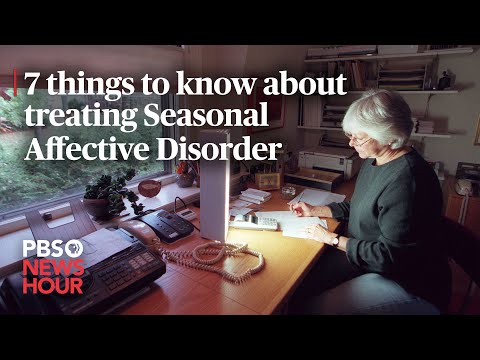
- Get Some Sunlight: Exposure to natural light is super important. Try to soak up some sun during the day. If it’s too cloudy outside, consider using a light therapy box. These mimic sunlight and can really help lift your mood.
- Stay Active: Exercise isn’t just for summer! Even a brisk walk or some stretches in your living room can make a huge difference. You know that rush of endorphins you get after working out? Yup, that’s what you’re aiming for!
- Connect with Others: Social interaction can be key in fighting off seasonal depression. Reach out to friends or family—even if it’s just a text or phone call. Sometimes just catching up over coffee can remind you that brighter days are ahead.
- Stick to a Routine: Having a regular schedule helps maintain balance in your life. Wake up at the same time every day, eat meals at regular times, and carve out time for fun activities. It gives your mind and body a sense of stability.
- Pursue Hobbies: Engaging in activities you love can be an awesome distraction from the winter gloom. Whether it’s painting, knitting, cooking, or reading—find something that lights you up and dive into it!
- Meditation and Mindfulness: Taking time to relax and focus on the present can help reduce stress and boost your mood. Even just five minutes of deep breathing each day might work wonders.
A friend once told me how tough winters used to be for her before she started taking these small steps—like getting outside even when it was chilly and connecting with friends over hot cocoa instead of isolating herself under blankets all day. She found joy again by keeping busy and reaching out rather than letting winter steal her happiness.
If you’re feeling down this winter, remember: it’s totally okay to seek help from professionals if needed! You don’t have to tackle this alone; therapists are there to support you through the seasonal changes as well.
The thing is, while winter has its challenges, there’s also lots of ways to keep your spirits high! So go ahead—try some of these strategies and see which ones work best for you!
Understanding the Psychology of Seasonal Depression: Causes, Symptoms, and Coping Strategies
Seasonal depression, often known as Seasonal Affective Disorder (SAD), can hit really hard when winter rolls around. Imagine this: as the days get shorter and the sunlight fades, your mood starts to plummet too. It’s like a grey cloud settles in your brain, making everything feel heavier and less enjoyable.
This condition is more than just feeling a little down during winter months. It’s a serious mental health issue that affects millions of people each year. According to research, about 5% of adults in the U.S. experience it. That’s not a small number! Signs include feeling sad or hopeless, losing interest in activities you used to enjoy, and even changes in sleep patterns or appetite.
But what causes this seasonal funk? Well, there are a few factors at play here:
- Light Exposure: Less sunlight means your body produces less serotonin—a neurotransmitter that helps regulate mood. When sunlight dims, so does your cheer.
- Circadian Rhythm Disruption: Your body has an internal clock that regulates sleep-wake cycles. Winter’s shorter days can throw that off balance.
- Vitamin D Deficiency: Since our main source of Vitamin D is sunshine, not getting enough can lead to feelings of sadness or fatigue.
Experiencing symptoms like low energy or trouble concentrating can make daily tasks feel impossible. Maybe you have trouble getting out of bed or find it really hard to socialize with friends. These feelings don’t just disappear overnight—they linger and weigh you down.
Coping strategies are essential when dealing with SAD. So what can you do? Here are some effective approaches:
- Light Therapy: Using a light therapy box mimics sunlight exposure and can help regulate your mood.
- Physical Activity: Even if it’s chilly outside, moving your body releases endorphins—those feel-good hormones that can chase away some of that winter gloom.
- Talk Therapy: Engaging with a therapist helps you work through feelings and develop coping mechanisms tailored just for you.
You might also want to consider reaching out to friends or family for support during tougher days. Sharing how you’re feeling can be such a relief!
And let’s not forget about self-care—it’s more important than ever when winter hits hard! Think warm baths, cozy blankets, or diving into a good book with your favorite cup of hot chocolate by your side.
Remember: you’re not alone in this struggle against seasonal depression. Understanding what you’re going through is the first step toward feeling better and finding ways to cope with those long winter nights ahead!
“Understanding Seasonal Affective Disorder: What Is Winter Depression?”
Seasonal Affective Disorder, or SAD for short, is a type of depression that kicks in during specific seasons—most commonly in winter. You know how the days get shorter and the weather turns cold? That kind of gloomy vibe can really mess with some people’s heads. It feels kinda like putting on a heavy coat that you just can’t take off.
So, what actually happens? Well, scientists think it has a lot to do with changes in light exposure. Less sunlight means your body might produce less serotonin, which is that happy chemical our brains love. And then there’s melatonin, too—when it gets dark early, your body might start producing it sooner, making you feel sleepy and low on energy.
Symptoms of SAD can be pretty heavy. People might feel:
- Constantly tired
- A sense of hopelessness or sadness
- Changes in appetite (some eat more; others eat less)
- Difficulty concentrating
- A loss of interest in activities that used to be fun
It’s like your emotions take a holiday without telling you. And for some folks, it feels like they’re stuck in a fog they can’t shake off until spring comes around.
I remember chatting with this friend who always loved hiking in the summer but would just crash every winter. She told me about how she’d stare out at the cold landscape and feel nothing but empty inside. Getting outside helped a little—the sun peeking through those clouds even on chilly days made her feel somewhat alive again.
But let’s not sugarcoat things; it’s tough dealing with this kind of depression alone. If you or someone you know is feeling this way during the winter months, it might be time to look into some solutions.
Treatment options for SAD often include:
- Light therapy: Sitting near a special light box that mimics natural sunlight can help boost mood.
- Cognitive Behavioral Therapy (CBT): Talking to a therapist about how to cope with negative thoughts can make a big difference.
- Medication: Some doctors may prescribe antidepressants if symptoms are severe.
- Lifestyle changes: Exercise and spending time outdoors when possible really helps too.
The thing is, there’s no one-size-fits-all solution here. What works for one person might not work for another—and that’s totally okay! Just know you’re not alone in feeling this way during those chilly months.
Finding ways to adapt to seasonal changes is all about experimenting and figuring out what lifts your spirits—even if it’s just that cozy blanket on the couch with a good movie or getting bundled up for those brisk walks outside.
So as winter rolls around again, remember: SAD is real and can hit hard, but there are options out there to find that sunshine from within while waiting for spring’s warm embrace!
So, winter’s here again, and with it comes the chill that not only bites at your skin but can also sneak into your mind. You know what I mean? It can feel like the sun has gone on vacation, and you’re stuck in a never-ending gray sky. Seasonal Affective Disorder, or SAD, is something a lot of people experience when the days get shorter and colder. It’s wild how much our environment impacts our mood!
I remember a friend of mine who used to struggle every winter. He’d just go quiet and withdrawn when the snow started falling. At first, we thought he was just being a hermit, but then we learned about SAD. It hit me how real this stuff is—those feelings of sadness, lethargy, or even irritability that creep in as daylight fades away.
The thing is, it’s not just about being bummed out because it’s cold outside; there’s some science behind it too. When the sunlight decreases, so does serotonin production in our brains—the stuff that helps regulate mood. And let me tell you, that can take a toll on anyone’s happiness.
But here’s where it gets interesting: it doesn’t affect everyone equally! Some people might feel fine during winter while others struggle hardcore. It really depends on your own brain chemistry and maybe even genetics—like being wired differently for seasonal shifts.
Many folks find ways to cope with SAD—light therapy is one popular approach where you soak up artificial sunlight for a bit each day. Others lean on things like exercise or staying connected with friends to combat that isolation that can come knocking in winter.
The key thing? If you’re feeling off when the leaves drop and snow starts piling up, you’re definitely not alone! It’s okay to reach out and talk about those feelings; sharing can lighten the load—kind of like letting some sunshine in through a cloudy window.
Anyway, as long as we’re aware of what seasonal changes do to us emotionally, we stand a better chance at making winter bearable—and maybe even finding joy in those cozy nights with hot cocoa!