You know when you look at a kid and think, “Wow, they’re really sharp”? Well, there’s actually a way to measure that. Enter the WISC Intelligence Test.
It’s like a window into how kids think and process information. But it’s not just about numbers and scores.
This test can open up conversations about a child’s strengths and challenges. It helps parents, teachers, and psychologists understand what makes each kid tick.
So, let’s break it down together. Why does this test matter? And how can it really help in the world of child psychology?
Understanding the WISC Test: A Comprehensive Guide to Its Role in Child Psychology
The WISC test, or the Wechsler Intelligence Scale for Children, is a big deal in child psychology. It’s an intelligence test specifically designed for kids ages 6 to 16. This tool helps psychologists understand a child’s cognitive abilities, which means how they think, learn, and solve problems.
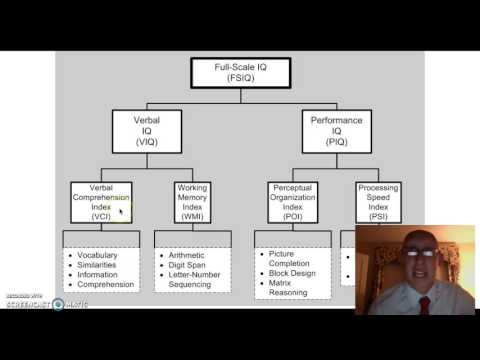
When we talk about the WISC test, you gotta know it’s not just about one number that tells you how smart a kid is. Nope! The test breaks down intelligence into different areas. There are several core subtests in it, each measuring something different. For example:
So here’s the thing: getting an overall IQ score from the WISC is just one piece of the puzzle. Each of those scores from the subtests gives insights into strengths and weaknesses.
I remember this kid named Jake who took the WISC last year. He was struggling in school but was super creative—always coming up with wild drawing ideas. After taking the WISC, it turned out he scored really high on Visual Spatial skills but lower on Verbal Comprehension. What this told his parents was that he might not express himself as well verbally but has great potential when it comes to visual thinking.
Why is understanding these scores important? Well, they help tailor educational approaches! If a child has strong Visual Spatial skills like Jake but struggles with verbal tasks, educators might use more visual aids in teaching. Basically, the results guide interventions that actually fit each child’s needs.
The WISC also plays a part in identifying learning disabilities or giftedness. For example, if there’s a significant gap between their verbal and performance scores, it could suggest something like dyslexia or another learning challenge needing more support.
Unlocking Child Potential: Understanding What the WISC Reveals About Your Child’s Cognitive Abilities
The WISC, or Wechsler Intelligence Scale for Children, is a pretty big deal when it comes to understanding a child’s cognitive abilities. Basically, it’s like a roadmap that helps us figure out how kids think and learn. It’s designed for ages 6 to 16 and offers valuable insights into their strengths and weaknesses.
Why use the WISC? Well, every kid has unique ways of processing information. By getting scores on different areas, parents and teachers can better understand what kind of learning style suits your child best. Some kids might be great at verbal tasks but struggle with visual-spatial skills, or vice versa.
The WISC breaks down intelligence into several components, making it easier to pinpoint where your child excels or may need some extra help:
- Verbal Comprehension: This assesses how well a child understands language. Think of it as measuring their ability to solve problems using words. A kid who scores high here might be an excellent communicator.
- Perceptual Reasoning: This part tests how well kids can analyze and solve problems using visual information. If they’re good at puzzles or building things, this score could reflect that skill.
- Working Memory: It’s all about focus and attention! Kids with strong working memory can hold onto information in their mind while solving problems—like keeping track of numbers during math tasks.
- Processing Speed: This measures how quickly they can work through tasks. If your child gets anxious during timed tests, this score might give insight into their speed versus accuracy.
So let’s break it down even further with an example: Imagine a 10-year-old named Max. He scores really high in Verbal Comprehension but struggles with Processing Speed. This may tell you that Max is bright when it comes to understanding concepts but needs help managing his time during tests.
That kind of info is super valuable! You see? It not only helps educators tailor teaching methods but also empowers parents to support their children at home based on their unique profiles.
It’s also important to remember that these tests aren’t just about numbers on a page; they reflect real-life abilities. A low score in one area doesn’t define your child; it simply indicates where they might benefit from additional support or enrichment.
And here’s something else: the WISC isn’t rigid—it’s just one piece of the puzzle! It’s crucial to consider other aspects too—like emotional intelligence and social skills—because those will also impact how kids perform in school and life overall.
In short, the WISC provides insights that can truly help you understand your child better. It’s not just about figuring out if they’re “smart” or not but opening doors for growth tailored specifically for them! After all, every child has potential waiting to shine through—you just need the right tools to help them get there!
Understanding the WISC 5: A Comprehensive Guide to Child Intelligence Assessment in Psychology
The WISC-V, or Wechsler Intelligence Scale for Children, Fifth Edition, is like a big toolbox for assessing a kid’s intelligence. It’s mostly used by psychologists to understand how a child thinks and learns. Imagine it as a way to peek inside their brain and see what makes them tick.
First off, this test isn’t just about getting a number for IQ. It dives deeper into different areas of cognitive functioning. Here’s what this means:
- Verbal Comprehension: This section tests language skills—how well a child understands and uses words. Think of it as measuring their ability to express ideas clearly.
- Visual Spatial: This part looks at how kids can visualize shapes and patterns. It’s like testing their inner artist or architect.
- Fluid Reasoning: Here, we explore logic and problem-solving without relying on learned knowledge. Kids might be asked to solve puzzles or identify relationships between items.
- Working Memory: This measures how well children can hold information in their minds while doing something else, sort of like juggling tasks in your head.
- Processing Speed: Finally, this section assesses how quickly they can think and respond to questions—imagine zooming through a short quiz!
Now you might wonder why all these categories matter. Well, each part tells us something unique about the child’s abilities and challenges. For example, if a kid scores high in Verbal Comprehension but lower in Working Memory, they might be great with words but struggle with multi-step instructions.
So let’s talk about who gets the WISC-V done. Typically, it’s administered when there are concerns about learning disabilities or developmental delays in school settings—like if a teacher notices that little Emily isn’t grasping math concepts like her classmates do. The test can also help identify giftedness; you know, those kids who seem to learn things almost effortlessly.
A big part of the test is context—how the child performs isn’t just number-crunching; it also requires understanding the environment they’re from. Kids come with different backgrounds that shape their skills, so psychologists keep that in mind when interpreting results.
Also important: it’s not just about one score at the end of the day; it’s about seeing trends within those scores to help tailor education strategies that fit each child best. You want them to shine based on their strengths while getting support where they need it.
Oh! And let me not forget to mention: parents have some responsibility here too! The results can sometimes feel overwhelming or even alarming for families—but remember! They’re really tools meant to help your child thrive academically and socially.
In short, the WISC-V is more than just an intelligence test; it’s an insightful map into how kids process information and understand their world around them. By looking at various cognitive abilities separately, psychologists can provide guidance that leads not only towards helping out with learning difficulties but also nurturing talents hiding within kids that may otherwise go unnoticed.
The WISC Intelligence Test, or Wechsler Intelligence Scale for Children, is one of those things in child psychology that can seem a bit daunting at first. But honestly, it’s pretty fascinating when you dig a little deeper. It’s like a tool to peek inside a kid’s brain and see how they think, solve problems, and interact with the world around them.
I remember this one time I was sitting with a friend whose son had just taken the WISC test. She was worried he wasn’t doing well in school and thought maybe he was falling behind. But after getting his results back, it turned out he was just an out-of-the-box thinker. The test showed he had strengths in areas like creative problem-solving and verbal comprehension but maybe struggled more with the kind of tasks that are more straightforward or structured. It really helped her understand him better.
So what does this mean? Well, the WISC breaks down intelligence into different sub-tests that measure various cognitive abilities—stuff like verbal skills, math reasoning, and visual-spatial skills. It helps psychologists paint a fuller picture of how kids learn and where they might have challenges.
It’s not just about numbers or labels; it’s about understanding kids as individuals. Imagine if your brain could communicate through puzzles or stories! That’s what this test aims to reveal. And honestly? It can guide teachers and parents on how to support kids more effectively, tailoring their learning experiences to fit their unique styles.
Still, there’s some debate about how much stock you should put in these results. Like any assessment tool, it has its limitations—it’s only one piece of the puzzle when figuring out a child’s capabilities or potential. So while it can provide insight, it’s essential to look at the whole child: their interests, emotions, home life—everything!
In the end, if you’re ever faced with this test for your child—or know someone who is—it’s worth diving into it together rather than letting it define them outright. After all, every kid shines in their own way; sometimes you just need the right light to see it!