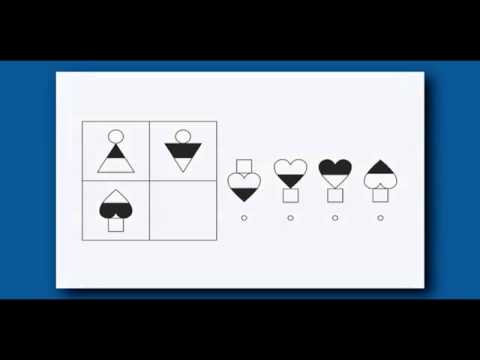
Have you ever thought about how kids think? It’s super interesting, right? Their brains are like little sponges, soaking up everything around them.
The WISC test is one way to peek inside that amazing world of a child’s mind. Seriously, it helps us understand how they learn and grow.
You might be wondering why this matters. Well, it can really help us support their development better! Plus, it’s kind of cool to see where they shine and where they might need a bit of a boost.
Stick around, and let’s chat about what the WISC test is all about. You’ll be amazed at what we can learn from it!
Understanding Child Cognitive Development: Insights from the WISC Test – Downloadable PDF Questionnaire
Understanding how kids think and learn is super important, right? That’s where the WISC test comes in. The Wechsler Intelligence Scale for Children, or WISC, helps gauge cognitive abilities in children ages 6 to 16. It’s a pretty well-known tool among psychologists and educators, and it sheds light on how kids process information.
The WISC test dives into different areas of cognitive skills. It looks at things like verbal comprehension, perceptual reasoning, working memory, and processing speed. Each of these areas gives us insight into a child’s strengths and challenges. So when you’re looking at the results, it’s not just a number; it’s a snapshot of how that child thinks and learns.
Verbal Comprehension measures how kids understand and use language. For example, it might assess their ability to define words or explain concepts. If a child excels here, they usually have strong verbal skills that can help them in school.
On the flip side, Perceptual Reasoning involves visual-spatial skills. This part tests how well kids can solve problems using pictures or patterns—think puzzles! If a kid struggles here, they might find math or technical subjects challenging later on.
Then there’s Working Memory. This one’s all about holding information in your mind while using it right away. Imagine asking a child to repeat back a series of numbers after you say them—this tests their working memory. A kid with issues in this area might find following instructions tough.
And let’s not forget Processing Speed, which looks at how quickly someone can take in information and respond to it. This part is essential for tasks like taking tests or completing assignments on time.
If you want to dig deeper into the specifics or use the assessment yourself, there’s often a downloadable PDF questionnaire. However, keep in mind that administering the WISC test should ideally be done by trained professionals who can interpret the results accurately—and help you understand what they mean for your child’s development.
Cognitive development doesn’t happen overnight either! It’s an evolving process influenced by many factors: environment, education, social interactions—you name it! Research suggests that engaging with your child through conversations or providing stimulating activities can boost their cognitive growth.
So remember: if you suspect your child may have learning difficulties or just want to understand them better—with tools like the WISC test—you’ll be more equipped to support their growth journey.
In short, understanding child cognitive development requires looking at various aspects of thinking and learning—something easily assessed through tools like the WISC test! Ultimately though? It’s all about ensuring kids get what they need to thrive!
Understanding Child Cognitive Development: Insights from WISC Test Results (PDF Guide)
So, let’s talk about the WISC test and child cognitive development. The WISC, or Wechsler Intelligence Scale for Children, is one of those tests that professionals often use to get a peek into how a child thinks and learns. It’s not just a number, but an insight into how your kid processes information.
The WISC test looks at different areas of intelligence and thinking styles. It basically breaks down into several key components. Here are a few:
- Verbal Comprehension: This measures how well a child understands and uses language. If your kid excels here, they might be great at expressing themselves.
- Visual-Spatial: This part assesses how well your child can visualize things and understand spatial relationships. Think puzzles or block building.
- Fluid Reasoning: This evaluates problem-solving abilities—like figuring out patterns or solving new problems without prior knowledge.
- Working Memory: This looks at short-term memory tasks. It’s like when your child is asked to remember a series of numbers or instructions.
- Processing Speed: Here we measure how quickly kids can process information—like filling out forms or answering timed questions.
Now, why does this matter? Well, getting these insights can help tailor educational approaches to what works best for your kid’s unique style of learning. For example, if they struggle with working memory but excel in verbal comprehension, they might need more verbal instructions rather than written ones.
Let’s think back to Sarah—a bright girl who scored high in verbal comprehension but low in processing speed on her WISC test. Her parents noticed she sometimes took longer to finish her homework because she overthought every answer. Knowing where she stood allowed her teachers to give her extra time to complete assignments without making her feel rushed.
Another thing worth mentioning is that cognitive development isn’t static; it fluctuates as kids grow and experience new things. A WISC assessment basically snapshots their current abilities at that moment in time. So it’s essential to keep in mind that children develop at their own pace.
Last but not least, using these results effectively depends on collaboration with educators and specialists who can interpret the scores accurately and implement changes tailored for individual needs.
Understanding the results from the WISC can genuinely help support a child’s growth by identifying strengths and areas for improvement. It’s less about labeling them smart or not—but more about finding ways to nurture their talents while also supporting challenges along the way!
Free PDF: Insights from the WISC Test on Child Cognitive Development
When we talk about the WISC test, or the Wechsler Intelligence Scale for Children, it’s a big deal in understanding how kids think and learn. It’s like a window into their minds, you know? This test helps measure several areas of cognitive abilities in children aged 6 to 16.
What’s on the WISC? Well, it includes different sections that look at things like verbal comprehension, perceptual reasoning, working memory, and processing speed. Each part shines a light on different skills and how they relate to learning and problem-solving.
So, here are some key points to think about:
Now, each child’s score on these areas helps educators and parents understand their strengths and weaknesses better. For example, let’s say a child has a super high score in verbal comprehension but struggles with processing speed. That tells us they might need support when it comes to finishing tests quickly.
What really stands out is using these insights wisely. Identifying where a child excels can help tailor their learning experience so they get the right challenges without feeling overwhelmed.
Remember the story of Mia? When she took the WISC test, her results showed amazing verbal skills but low scores in perceptual reasoning. Her mom realized she was great with words and ideas but had trouble with spatial tasks like geometry. So they found activities that built her spatial skills while still fostering her love for language—like reading stories that involved maps or building models.
In summary, insights from the WISC test provide valuable information about cognitive development in children. They help inform strategies for learning that meet each child’s unique needs! And that’s seriously something worth paying attention to if you want to see them thrive academically and emotionally as well!
The WISC test, or the Wechsler Intelligence Scale for Children, is like a window into a child’s mind. You know, it helps you see how they think and process information. It’s often used to identify a kid’s strengths and weaknesses in different areas, which can be super helpful.
Let’s say you have a friend whose kid just took the WISC. At first, they were all anxious about the results. I mean, who wouldn’t be? It feels like there’s so much riding on these tests! But once they got the scores back, it was kind of enlightening. The kid scored really high in verbal comprehension but lower in processing speed. So that tells them something important—this kid might be better at understanding complex ideas than at finishing tasks quickly.
This kind of insight can help parents and teachers figure out how to best support that child’s learning. But honestly, while the test provides some useful data, it doesn’t define the whole picture of who that kid is or what they can achieve! Kids are so much more than numbers on a page.
The thing is, cognitive development in kids is influenced by so many factors: their environment, their experiences, and even their emotional health. So if you really want to get a sense of how a child is doing cognitively and emotionally, it’s essential to look beyond just those numbers.
I remember when I was about ten years old; my parents had me tested too. I was nervous sitting in that little room with someone I didn’t know asking me all sorts of questions! To this day, I recall some of those tasks feeling oddly challenging yet fun in a weird way—I guess that’s part of being a kid. But honestly? It didn’t change how my parents viewed me or what they believed I could accomplish down the line.
So yeah, the WISC can offer valuable insights into a child’s cognitive development but isn’t everything—it’s just one piece of an intricate puzzle!